Where Is Globalization Headed for Supply Chains?
TL;DR
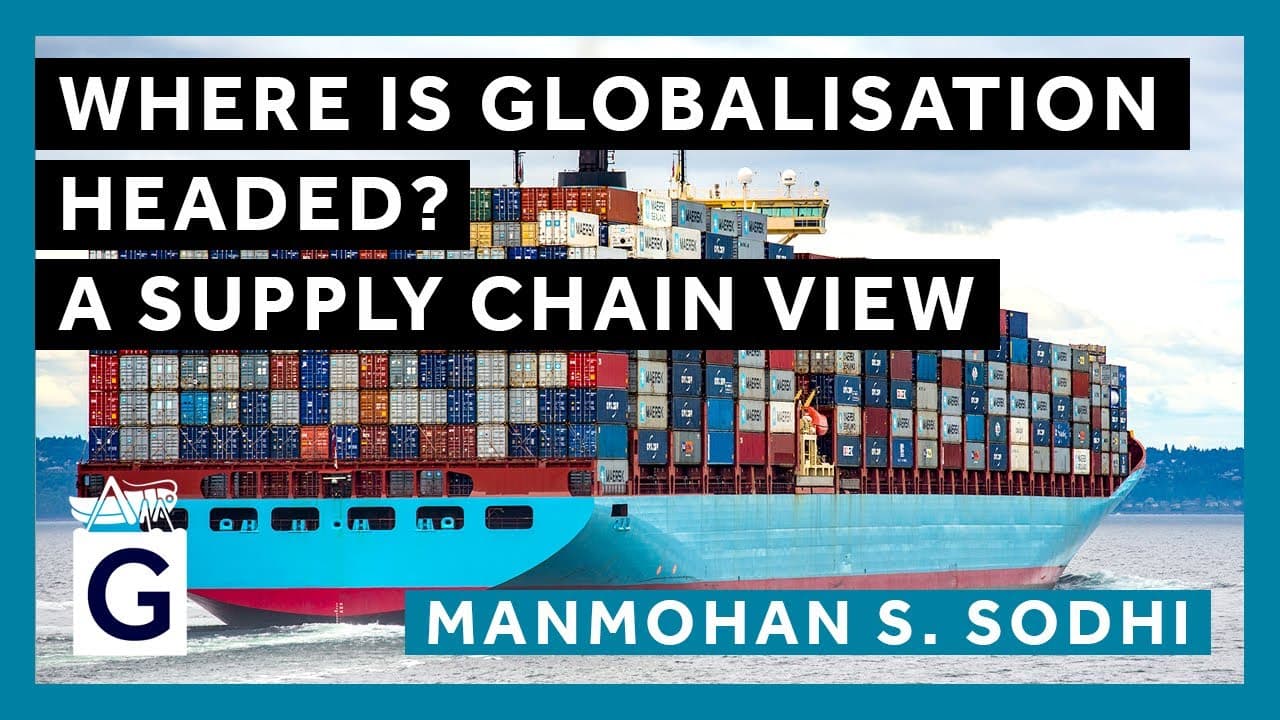
Globalization is shifting towards more localized and diversified supply chains in response to risks and challenges like geopolitical tensions and climate change. While globalization has historically benefited countries like China and the US disproportionately, the future will likely see a focus on de-risking strategies to enhance economic resilience. Governments must take action to address inequalities and support small businesses to create a more balanced global economy.
Transcript
- Globalization has been in the news quite a bit recently, so I thought I'd take my cut at where exactly it is heading, and the perspective, as advertised, is a supply chain one, and supply chain has also been sort of only bad news the past few years. So overall, I'll be talking about how globalization has benefits, but it also has risks, and certa... Read More
Key Insights
- 🙃 Globalization triggers supply chain complexities, requiring de-risking efforts for sustainability.
- 🥺 Benefits of globalization are not evenly distributed, leading to challenges and risks for certain countries.
- 🖐️ Governments play a crucial role in addressing inequalities, promoting innovation, and supporting small businesses for robust supply chains.
- 🍉 Protecting critical industries and promoting competition can strike a balance for economic resilience and long-term sustainability.
- 🤔 Quality products, port congestion, and system thinking capabilities are crucial aspects to consider for effective supply chain management and risk mitigation strategies.
- ⚖️ Balancing protectionism with competition can foster economic growth while ensuring resiliency in supply chains amidst globalization challenges.
- ⛓️ Collaboration between governments, companies, and individuals is essential to navigate the complexities of globalization and promote sustainable supply chain practices.
Install to Summarize YouTube Videos and Get Transcripts
Explore YouTube Video Summarizer or Get YouTube Transcript Extractor
Questions & Answers
Q: How can governments address the ills of globalization and protect those who bear the costs?
Governments can focus on industrial policies, sustainability goals, transparency, and support for small businesses to mitigate the negative impacts of globalization.
Q: What strategies can companies implement to de-risk their supply chains?
Companies can diversify sources, segment supply chains, and invest in digital solutions for international transactions to de-risk their supply chains and improve efficiency.
Q: How do quality products influence the growth of damaging supply chains?
Poor quality products can be by design, leading to planned obsolescence and increasing the risk in supply chains, driven by profit margins and consumer demand.
Q: How can companies prevent port congestions and effectively manage post-distress scenarios?
Companies can plan for supply chain disruptions, optimize for resilience, and focus on efficient systems thinking to prevent congestion and effectively manage post-distress periods.
Summary & Key Takeaways
-
Globalization has benefits and risks, impacting supply chains and prompting de-risking strategies.
-
Countries like China and the US have benefitted disproportionately from globalization, while challenges such as emissions and social issues have emerged.
-
Governments need to address the inequality and risks associated with globalization, while promoting industrial policies for robustness and supporting small businesses.
Read in Other Languages (beta)
Share This Summary 📚
Summarize YouTube Videos and Get Video Transcripts with 1-Click
Try YouTube Summary with ChatGPT & Claude or YouTube Transcript Generator
Explore More Summaries from Gresham College 📚


Summarize YouTube Videos and Get Video Transcripts with 1-Click
Try YouTube Summary with ChatGPT & Claude or YouTube Transcript Generator