What's Driving Tigers Toward Extinction? | National Geographic
TL;DR
Wild tiger populations are declining due to poaching for traditional Chinese medicine, tiger farms, and tourist attractions.
Transcript
the tiger the largest of the big cats is also the most endangered the population of wild tigers has declined more than 95% in the past century what's driving Tigers toward extinction and can we save them fewer than 4000 tigers remain in the wild the current decline of tigers is primarily driven by poaching to be the demand for tiger parts in China ... Read More
Key Insights
- 🐯 Poaching for traditional Chinese medicine is driving the decline of wild tiger populations.
- 🐯 Tiger farms contribute to the exploitation of tigers for commercial trade.
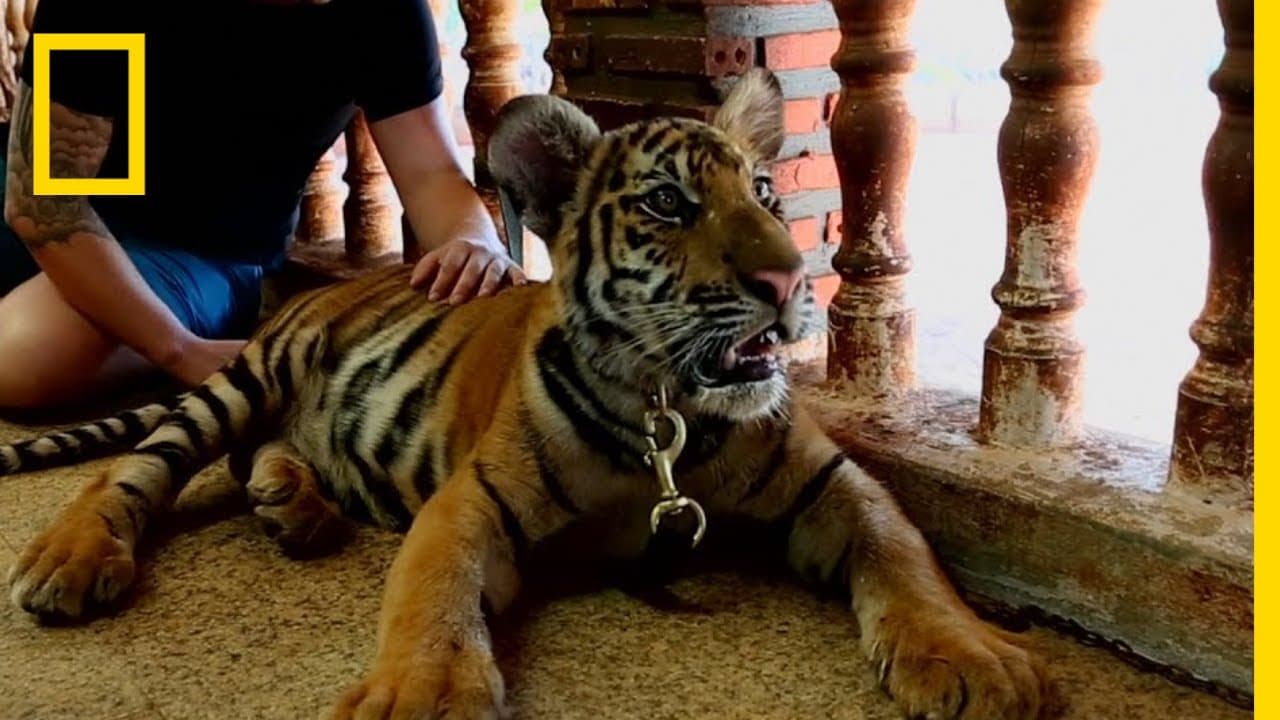
- 🐯 Tourist attractions that offer interactions with tigers often harm these animals.
- 🐯 International regulations are being implemented to protect wild tiger populations.
- 🐯 Conservation efforts and a shift towards evidence-based medicine can help save tigers from extinction.
- 🥳 Younger generations in China are moving towards modern medicine, reducing the demand for tiger parts.
- 🐯 Tigers are resilient animals with the potential to rebound if protected in the wild.
Install to Summarize YouTube Videos and Get Transcripts
Explore YouTube Video Summarizer or Get YouTube Transcript Extractor
Questions & Answers
Q: What is driving the decline of wild tiger populations?
The decline of wild tigers is primarily driven by poaching for tiger parts in China, where there is a high demand for these parts in traditional medicine practices.
Q: How do tiger farms contribute to the decline of wild tiger populations?
Tiger farms breed tigers for commercial trade, increasing the demand for tiger parts and perpetuating the illegal wildlife trade that threatens wild tiger populations.
Q: What role do tourist attractions play in the exploitation of tigers?
Tourist attractions that offer interactions with tigers often speed breed them, separate cubs from their mothers, and slaughter them for parts once they grow up, contributing to the decline in wild tiger numbers.
Q: What steps are being taken to protect wild tiger populations?
International regulations now require countries with captive Asian big cats to report on their efforts to prevent these animals and their parts from entering the illegal trade, showing a global commitment to tiger conservation.
Summary & Key Takeaways
-
Wild tiger populations have declined by over 95% due to poaching driven by demand for tiger parts in China.
-
Tiger farms in China and other countries breed tigers for commercial trade, leading to the exploitation of these animals.
-
Conservation efforts and a shift towards evidence-based medicine can help save tigers from extinction.
Read in Other Languages (beta)
Share This Summary 📚
Summarize YouTube Videos and Get Video Transcripts with 1-Click
Try YouTube Summary with ChatGPT & Claude or YouTube Transcript Generator
Explore More Summaries from National Geographic 📚




Summarize YouTube Videos and Get Video Transcripts with 1-Click
Try YouTube Summary with ChatGPT & Claude or YouTube Transcript Generator