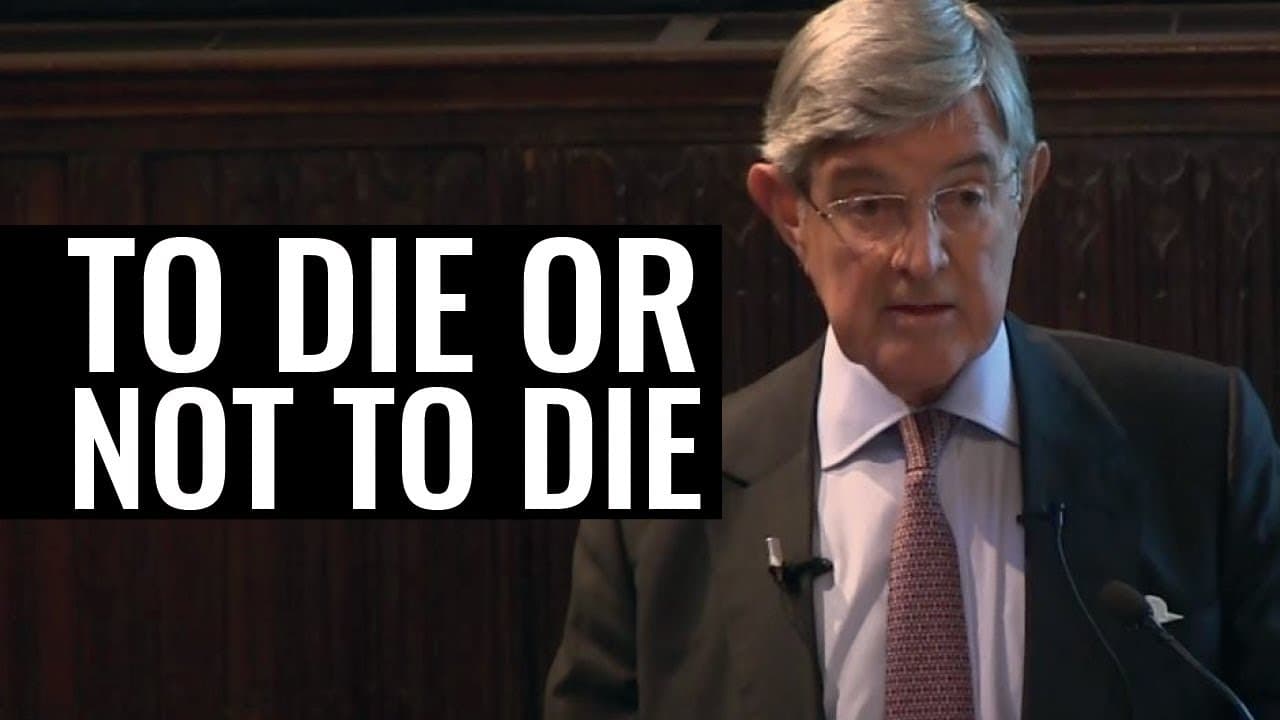
To Die or Not to Die: That is the Question - Sir Alan Ward
TL;DR
Judges face complex ethical dilemmas in deciding life and death issues, grappling with legal principles and moral considerations.
Transcript
to die or not to die and it's a question which is increasingly having to be answered by judges of the Family Division and they're not easy answers to find as Hamlet discovered when he ruminated on taking his own life you probably all know it could join in if you wish whether tis nobler in the mind to suffer the slings and arrows of outrageous fortu... Read More
Key Insights
- 😀 Judges face complex ethical dilemmas in the Family Division when deciding on matters of life and death.
- ❤️🩹 Cases involving euthanasia, end-of-life decisions, and conjoined twins pose significant challenges for judges.
- 🛟 Balancing legal principles with moral considerations is crucial in navigating life and death decisions.
- 🧑⚖️ The impact of judges' decisions on individuals, families, and society underscores the gravity of their responsibilities.
- 🗯️ Legal doctrines like the welfare of the child and parental rights guide judges in determining the best course of action in life and death cases.
- 🛟 The intricacies of legal and moral considerations highlight the nuanced nature of life and death decisions.
- 🥳 Judges must carefully consider the implications of their decisions, understanding the far-reaching effects on all parties involved.
Install to Summarize YouTube Videos and Get Transcripts
Explore YouTube Video Summarizer or Get YouTube Transcript Extractor
Questions & Answers
Q: How do judges navigate the ethical complexities of deciding on life and death issues?
Judges in the Family Division must weigh legal mandates with moral considerations, often facing difficult dilemmas when deciding the fates of individuals in life and death situations.
Q: What are some examples of cases where judges had to make critical life and death decisions?
From allowing a terminally ill individual to die with dignity to determining the fate of conjoined twins, judges encounter a range of challenging scenarios that test their ethical reasoning.
Q: How do judges handle the impact of their decisions on individuals' lives and families?
Judges must grapple with the weight of their responsibilities, knowing that their decisions can have profound and lasting consequences for individuals, families, and society at large.
Q: What legal principles guide judges in making life and death decisions?
Judges rely on legal doctrines such as the welfare of the child being paramount, parental rights, and the right to life in determining the best course of action in life and death cases.
Summary & Key Takeaways
-
Judges in the Family Division must decide on life and death matters, balancing legal mandates with moral obligations.
-
Cases range from deciding whether to allow a terminally ill individual to die with dignity to complex scenarios involving conjoined twins.
-
The decisions made by judges have profound ramifications, highlighting the weight of their responsibilities.
Read in Other Languages (beta)
Share This Summary 📚
Summarize YouTube Videos and Get Video Transcripts with 1-Click
Try YouTube Summary with ChatGPT & Claude or YouTube Transcript Generator
Explore More Summaries from Gresham College 📚

Summarize YouTube Videos and Get Video Transcripts with 1-Click
Try YouTube Summary with ChatGPT & Claude or YouTube Transcript Generator