Why Should I Start a Startup? by Michael Seibel
TL;DR
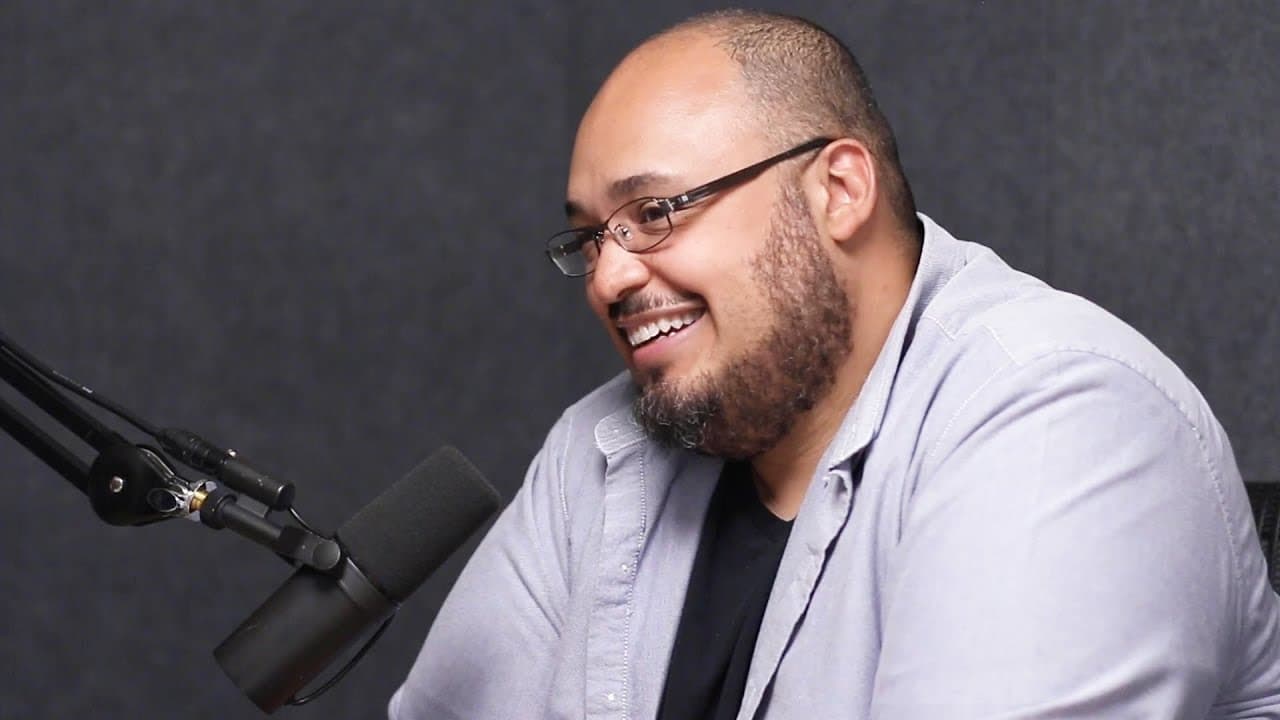
In this conversation, Michael Seibel discusses why some people are better suited for startups while others thrive in large companies, and emphasizes the importance of being honest with oneself when making career decisions.
Transcript
alright Michael Seibel so today we're gonna do something different and talk about a few of the essays you've worked on in the past I think these are maybe the past two years yes so the first one is why should I star startup you start this essay by saying a lot of people ask themselves this question they often mull over one of the one or more of the... Read More
Key Insights
- 🏢 The vast majority of startups are not successful, and talented technical people can easily find high-paying jobs at large companies. However, there is a certain type of person who thrives in the unpredictable, high-risk environment of a startup.
- 🤔 Many smart technical people feel conflicted about starting a startup because they lack a good idea or a team. They need to figure out their true career path and whether entrepreneurship is the right fit for them.
- 🔍 There are three main groups of people when it comes to startups: those who are naturally suited for entrepreneurial jobs, those who can apply themselves in either a startup or a large company, and those who operate best within a large company and prefer a structured system.
- 📚 The upbringing and education system often reinforce the desire for a system to optimize and predefined rules. However, there is a group of people who want to make their own rules and thrive in an environment without predictability.
- ♂️ It is important for individuals to be intellectually honest with themselves about which group they belong to and not succumb to guilt trips or biased advice from others.
- 🔎 Finding unbiased advice is crucial, as many people, including peers and companies, may have their own biases that can influence the decision-making process.
- 🧠 When making career decisions, individuals should consider where they perform at their best and which situations naturally motivate them. Reflecting on past experiences can provide insights into personal inclinations and intrinsic motivations.
- 🚀 Starting a startup may not be the most financially secure option, but for individuals who are irrationally motivated to pursue entrepreneurship, it can provide fulfillment and a better quality of life. Trying it out and assessing personal satisfaction is essential.
Install to Summarize YouTube Videos and Get Transcripts
Explore YouTube Video Summarizer or Get YouTube Transcript Extractor
Questions & Answers
Q: How does Michael Seibel categorize the three types of individuals when it comes to career choices between startups and big companies?
Michael Seibel categorizes individuals into three groups: the few who are inherently entrepreneurial and can only thrive in a radically entrepreneurial job; those who are on the fence and can excel in both entrepreneurship and corporate environments, but need to make a choice; and the largest group, who are more suited for large companies and prefer a structured system.
Q: Why does Seibel warn against taking biased advice when making career decisions?
Seibel advises individuals to be cautious when receiving advice from others, as many people have their own biases and agendas. He gives the example of big companies like Google, who may present a rosy picture of their opportunities for young professionals, while downplaying the challenges and limitations.
Q: What key questions does Seibel suggest asking oneself to determine the best career path?
Seibel recommends asking where one is at their best and where they feel naturally motivated and inclined to put in effort. Additionally, he advises considering the moments when one has delivered their best results and whether those moments occurred in structured environments or in more entrepreneurial settings.
Q: How does Seibel describe the transition from seeking peer advice in school to seeking career advice in college?
Seibel explains that peer advice is valuable in school for guidance on topics such as applying to colleges, but he warns that seeking career advice from peers in college can be unreliable. He emphasizes that college introduces a multitude of career tracks, and peers may not be knowledgeable about the various options, resulting in biased or inaccurate advice.
Answer: Seibel advises individuals to be cautious when receiving advice from others, as many people have their own biases and agendas. He gives the example of big companies like Google, who may present a rosy picture of their opportunities for young professionals, while downplaying the challenges and limitations. He suggests considering the biases of the advice-giver and seeking a variety of perspectives before making career decisions. It is important to understand that every individual's situation and preferences are unique, and what works for one person may not work for another. Ultimately, one should be intellectually honest with themselves about their motivations, strengths, and where they perform their best, while keeping in mind that taking risks and pursuing entrepreneurship may not be suitable for everyone.
Summary & Key Takeaways
-
Michael Seibel discusses his essay on why people should start startups and the different types of individuals who are best suited for different career paths.
-
He highlights that there are three types of people: those who are inherently entrepreneurial, those who are on the fence and can excel in both environments, and those who operate best within a structured system offered by large companies.
-
Seibel advises individuals to be intellectually honest about their strengths, motivations, and where they perform best, and warns against taking biased advice from others.
Read in Other Languages (beta)
Share This Summary 📚
Summarize YouTube Videos and Get Video Transcripts with 1-Click
Try YouTube Summary with ChatGPT & Claude or YouTube Transcript Generator
Explore More Summaries from Y Combinator 📚


Summarize YouTube Videos and Get Video Transcripts with 1-Click
Try YouTube Summary with ChatGPT & Claude or YouTube Transcript Generator