The Linn LM-1: The Drum Machine that changed everything
TL;DR
The Linn LM-1 revolutionized digital drum machines in the 1980s.
Transcript
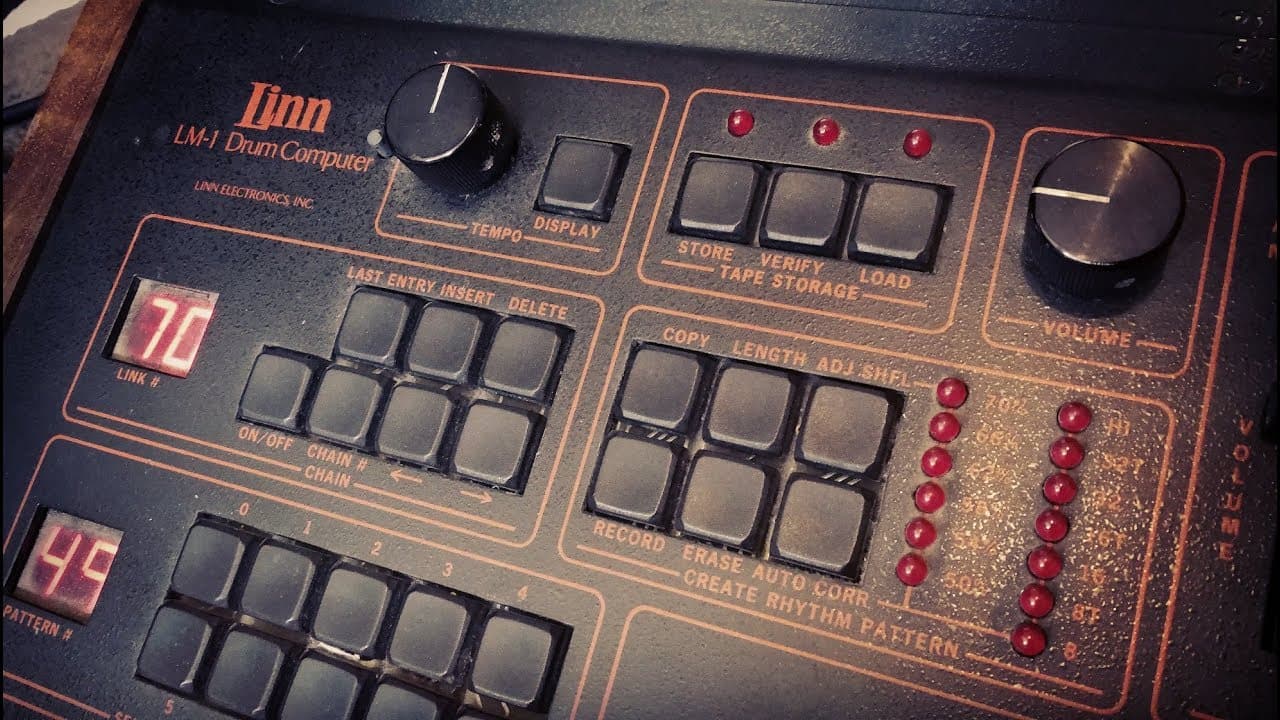
this is the linn lm-1 drum computer from 1980 it was the world's first commercially available digital drum machine it's no exaggeration to say that it was a groundbreaking invention that changed the course of recorded music but to understand why we need to roll the clock back to 50 years earlier in 1932 leon theremin revealed to the world the rhyth... Read More
Key Insights
- The Linn LM-1 was the first commercially available digital drum machine, marking a significant milestone in music technology history.
- Early drum machines like the Rhythmicon and Chamberlin Rhythmate laid the groundwork for future innovations in drum machine technology.
- The Linn LM-1 used digital samples of real drums, offering a more authentic sound compared to its predecessors.
- Despite its high price, the Linn LM-1 was adopted by top artists such as Michael Jackson and Prince, highlighting its impact on popular music.
- Only 500 units of the Linn LM-1 were ever produced, making it a rare and sought-after piece of music equipment.
- The Linn LM-1's features, including programmable beats and digital samples, set a new standard for drum machines in the 1980s.
- Roger Linn's later collaborations, such as the MPC series, continued to influence music production, particularly in hip-hop and electronic genres.
- The legacy of the Linn LM-1 and Roger Linn's subsequent innovations have left a lasting impact on the music industry.
Install to Summarize YouTube Videos and Get Transcripts
Explore YouTube Video Summarizer or Get YouTube Transcript Extractor
Questions & Answers
Q: What made the Linn LM-1 revolutionary in the music industry?
The Linn LM-1 was revolutionary because it was the first commercially available digital drum machine to use real drum samples, providing an authentic sound that was previously unattainable with earlier machines. Its programmable features and high-quality sound made it a favorite among top artists, significantly influencing music production in the 1980s.
Q: How did early drum machines contribute to the development of the Linn LM-1?
Early drum machines like the Rhythmicon and Chamberlin Rhythmate introduced the concept of automated rhythm creation, laying the groundwork for future innovations. These machines experimented with various sound production methods, such as light and tape loops, which informed the development of more advanced digital technologies like the Linn LM-1.
Q: Why was the Linn LM-1 so expensive, and who could afford it?
The Linn LM-1 was priced at $5,000 in 1980 due to its advanced technology and high-quality digital samples, making it accessible primarily to wealthy musicians and studios. Artists like Michael Jackson, Prince, and Stevie Wonder were among the few who could afford it, using it to enhance their music production.
Q: What features did the Linn LM-1 offer that previous drum machines did not?
The Linn LM-1 offered features such as digital samples of real drums, programmable beats, swing amount, automatic correction, and a full mixer with levels and panning. These features provided unprecedented control over rhythm and sound quality, distinguishing it from earlier drum machines that relied on mechanical and analog methods.
Q: How did the Linn LM-1 influence subsequent drum machines and music production?
The Linn LM-1 set a new standard for drum machines with its digital sampling technology and programmable features. It influenced subsequent models like the Linndrum and the MPC series, which became staples in hip-hop and electronic music production, showcasing its lasting impact on the industry.
Q: What challenges did the Linn LM-1 face in the market, and how were they addressed?
The Linn LM-1 faced challenges such as its high cost and limited production, making it accessible only to a select few. These challenges were addressed with the release of the more affordable Linndrum in 1982, which maintained high sound quality and programmability, allowing broader access to digital drum technology.
Q: What role did Roger Linn play in the evolution of drum machines after the Linn LM-1?
Roger Linn continued to innovate after the Linn LM-1, collaborating with Akai to design the MPC series, which became highly influential in hip-hop and electronic music. His contributions to music technology extended beyond drum machines, impacting various aspects of music production and solidifying his legacy in the industry.
Q: How has the legacy of the Linn LM-1 persisted in modern music production?
The legacy of the Linn LM-1 persists in modern music production through its influence on subsequent drum machines and its role in shaping digital sampling technology. Its impact is evident in the continued use of similar features in contemporary music equipment and the enduring popularity of digital drum machines in various music genres.
Summary & Key Takeaways
-
The Linn LM-1, released in 1980, was the first digital drum machine to use real drum samples, revolutionizing music production. Despite its high cost, it was adopted by top artists, making it a staple in the music industry.
-
The development of drum machines began in the early 20th century, with innovations like the Rhythmicon and Chamberlin Rhythmate paving the way for future advancements, culminating in the groundbreaking Linn LM-1.
-
Roger Linn's contributions to music technology extended beyond the Linn LM-1, with later collaborations such as the MPC series influencing hip-hop and electronic music, solidifying his legacy in the industry.
Read in Other Languages (beta)
Share This Summary 📚
Summarize YouTube Videos and Get Video Transcripts with 1-Click
Try YouTube Summary with ChatGPT & Claude or YouTube Transcript Generator
Explore More Summaries from Alex Ball 📚
Summarize YouTube Videos and Get Video Transcripts with 1-Click
Try YouTube Summary with ChatGPT & Claude or YouTube Transcript Generator