Revolutionizing the way we build via digital fabrication technologies | Benjamin Dillenburger
TL;DR
3D printing in architecture offers limitless design possibilities, optimized material use, and functional integration.
Transcript
instruction of our current construction site nothing really changed in the last hundred years if you compare the productivity of manufacturing and building industry in the last 40 years there was almost no increase in a building industry we believe that the force in a new generation of digital fabrication can be a game-changer for building industry... Read More
Key Insights
- 👻 3D printing in architecture disrupts traditional construction methods by allowing for complex geometries and mass customization.
- 😒 Integration of functions in 3D printing optimizes material use and enhances architectural performance.
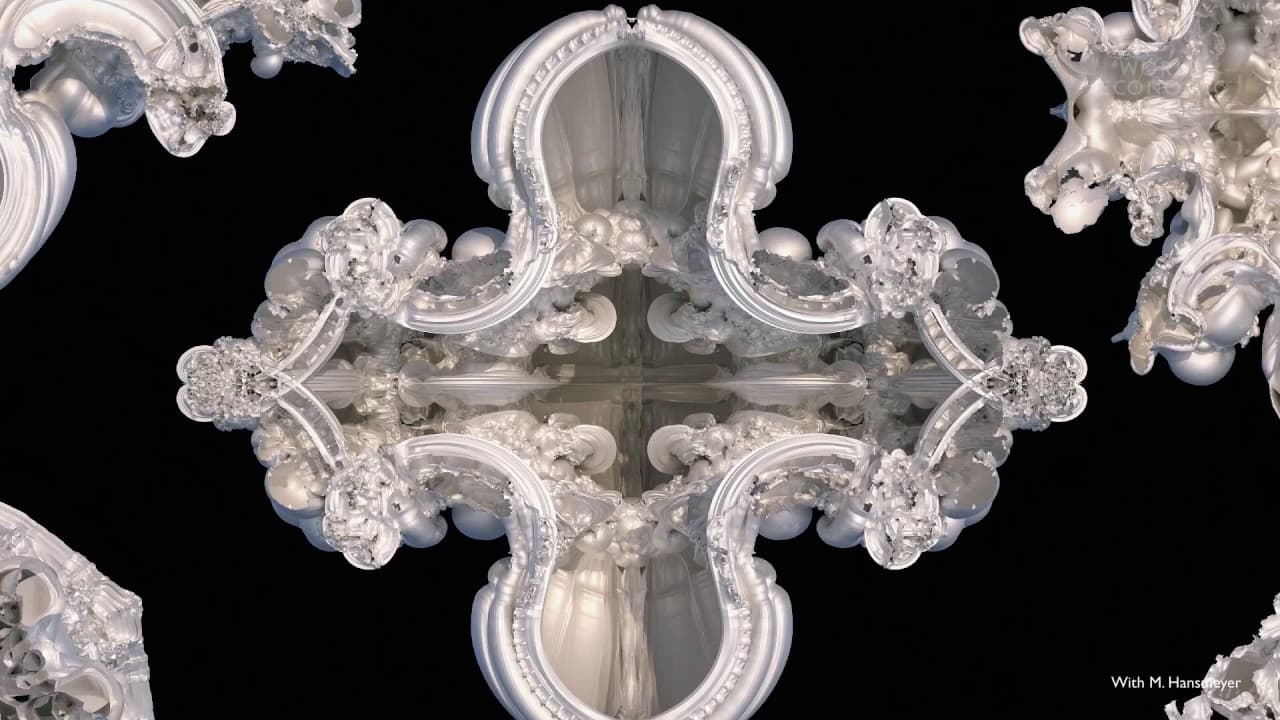
- 👶 New design instruments such as voxel-based algorithms enable the creation of previously unimaginable architectural forms.
- 👻 Fabricating architectural structures without mortar allows for precise assembly and customization of components.
- 👶 3D printing technology offers opportunities for architects to explore new design possibilities and optimize material efficiency.
- 🖐️ Computational design plays a crucial role in realizing the potential of 3D printing in architecture.
- 👨🔬 The future of research in 3D printing and architecture aims to integrate functional optimization and architectural aesthetics.
Install to Summarize YouTube Videos and Get Transcripts
Explore YouTube Video Summarizer or Get YouTube Transcript Extractor
Questions & Answers
Q: How does 3D printing in architecture differ from traditional construction methods?
3D printing allows for unique geometries, mass customization, and efficient material use, revolutionizing the design and construction process.
Q: What are the key benefits of integrating functions into 3D printed architectural elements?
Integrating functions enhances performance, reduces material waste, and enables the creation of multifunctional architectural components with a high degree of customization.
Q: How does 3D printing technology enable the creation of complex architectural forms?
Complex architectural forms are made possible through computational design, voxel-based algorithms, and the ability to control volumetric properties in 3D printing.
Q: What are the implications of fabricating architectural structures without the use of mortar?
Fabricating structures without mortar allows for precise assembly, customization of individual components, and the creation of intricate architectural designs with minimal material waste.
Summary & Key Takeaways
-
Traditional construction productivity hasn't seen much improvement, but 3D printing offers a new approach.
-
3D printing in architecture enables complex geometries, mass customization, and material efficiency.
-
Research focuses on scaling up printing processes, integrating functions, reducing material, and exploring new design instruments.
Read in Other Languages (beta)
Share This Summary 📚
Summarize YouTube Videos and Get Video Transcripts with 1-Click
Try YouTube Summary with ChatGPT & Claude or YouTube Transcript Generator
Explore More Summaries from World Economic Forum 📚

Summarize YouTube Videos and Get Video Transcripts with 1-Click
Try YouTube Summary with ChatGPT & Claude or YouTube Transcript Generator