How to Design for Dignity During Times of War | Slava Balbek | TED
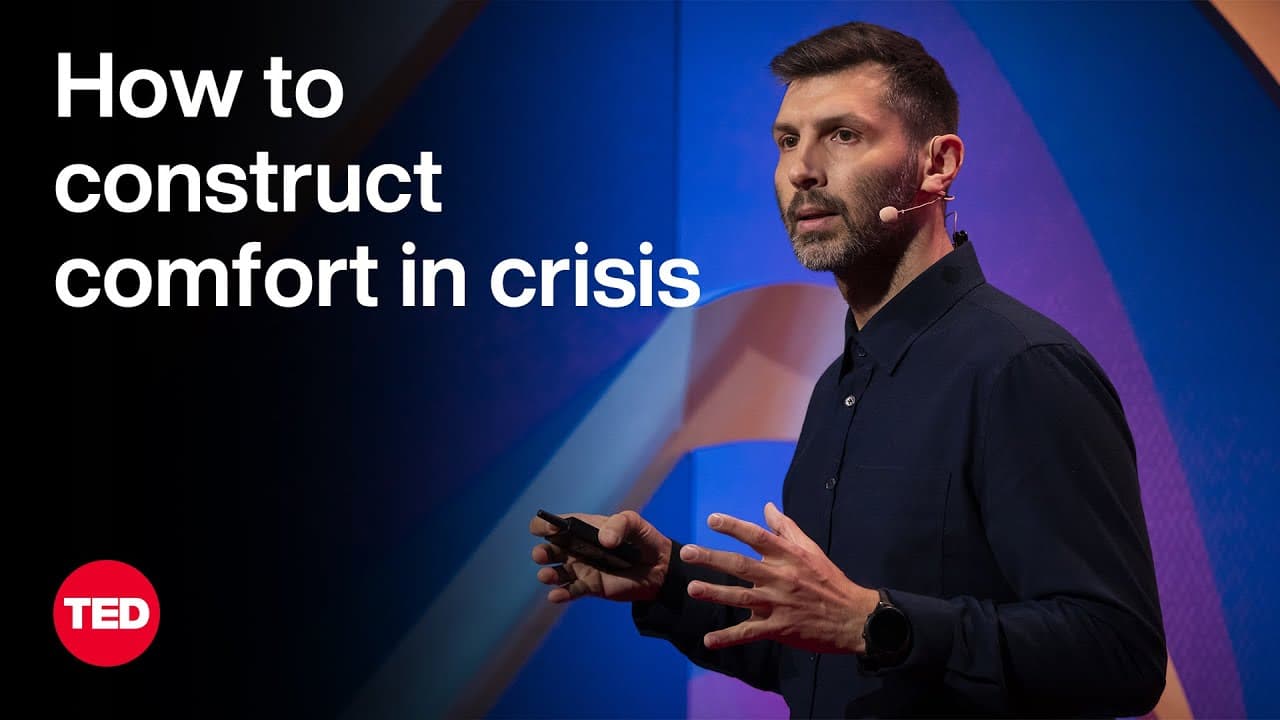
TL;DR
Architect turned war volunteer in Ukraine utilizes architecture to provide temporary housing and aid in rebuilding communities affected by war.
Transcript
Every month I spend a week on the front line. For over a year now, I have been a member of Aerial Reconnaissance Unit. Before the invasion, I had only used a drone to scout locations for my architectural practice. Now I pilot a UAV to help Ukrainian artillery spot targets. This time two years ago, I would probably introduce myself as the CEO of an ... Read More
Key Insights
- ⌛ The speaker's transformation from an architect to a military volunteer demonstrates the adaptability and resilience of individuals during times of crisis.
- 🫱 Architecture has the potential to go beyond its conventional role and serve as a tool for healing and rebuilding communities affected by war.
- 🦻 The creation of temporary housing that prioritizes dignity and comfort can help displaced individuals regain a sense of home and aid in their overall recovery.
- 😒 The displacement challenge caused by conflicts and climate change is a global issue, and the speaker's projects hold the potential for replication and use in other affected regions.
Install to Summarize YouTube Videos and Get Transcripts
Explore YouTube Video Summarizer or Get YouTube Transcript Extractor
Questions & Answers
Q: How did the speaker's life change after the invasion of Ukraine?
The invasion prompted the speaker to shift from their architectural career to become a military volunteer and humanitarian activist, focusing on providing aid and support to those affected by the conflict.
Q: What inspired the speaker's architectural project, RE:Ukraine?
The speaker's personal experience as a displaced person, coupled with the observation that people crave a sense of home even in temporary shelters, led to the development of RE:Ukraine—a project aimed at creating dignified and comfortable temporary housing for those displaced by the war.
Q: What role does architecture play in helping communities recover from the trauma of war?
The speaker believes that architecture, when done with empathy, can help sustain trauma and envision a brighter future. By providing comfortable and well-designed spaces, architecture can contribute to the healing process and improve the overall well-being of affected communities.
Q: How did the speaker's team help with rural housing restoration?
The team created RE:Ukraine Villages, an online tool that generates step-by-step manuals for homeowners and volunteers to restore or design houses in rural areas. The tool considers regional design codes and reflects the traditional image of Ukrainian villages.
Summary & Key Takeaways
-
The speaker, an architect, describes their transformation from a CEO of an architectural studio to a military volunteer in Ukraine, helping with aerial reconnaissance to identify targets for Ukrainian artillery.
-
Following the invasion, the speaker and their team founded Kyiv Volunteer, an organization providing hot meals and support to the military and medics, while Russian troops advanced.
-
The speaker's architectural studio started a project called RE:Ukraine, focused on creating dignified and comfortable temporary housing for displaced people, with the goal of helping them recover and reintegrate into society.
Read in Other Languages (beta)
Share This Summary 📚
Summarize YouTube Videos and Get Video Transcripts with 1-Click
Try YouTube Summary with ChatGPT & Claude or YouTube Transcript Generator
Explore More Summaries from TED 📚






Summarize YouTube Videos and Get Video Transcripts with 1-Click
Try YouTube Summary with ChatGPT & Claude or YouTube Transcript Generator