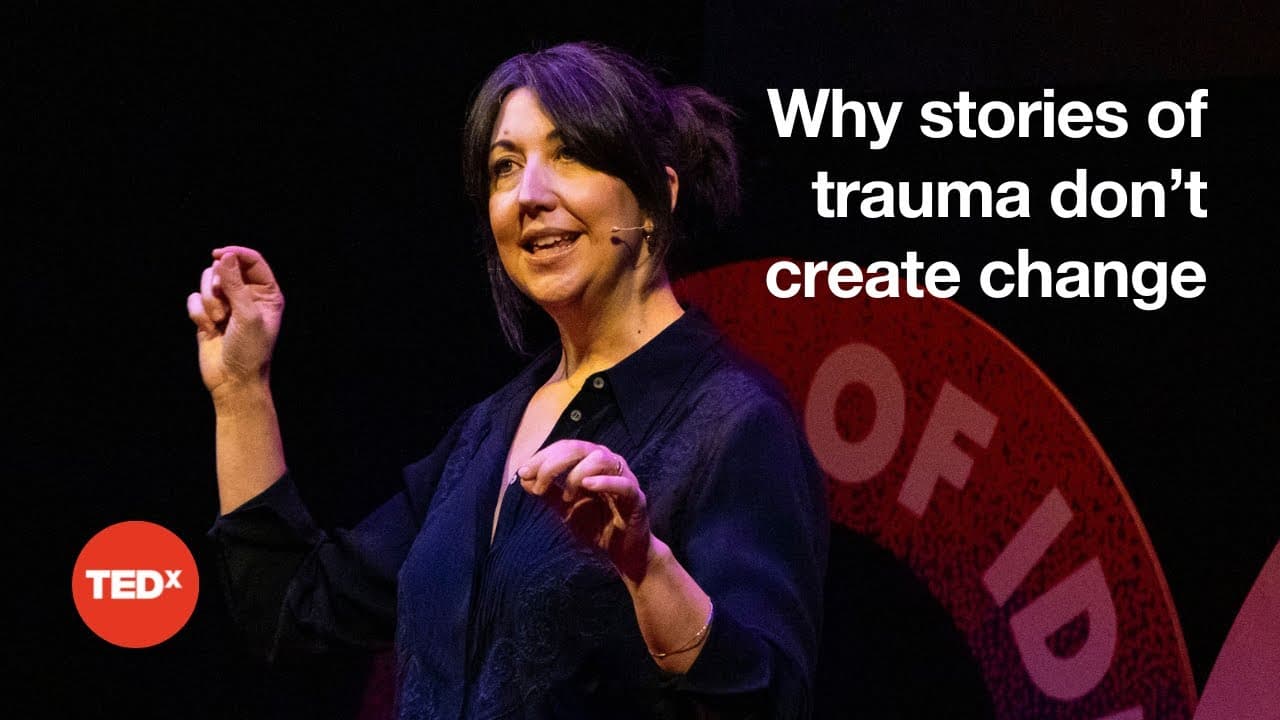
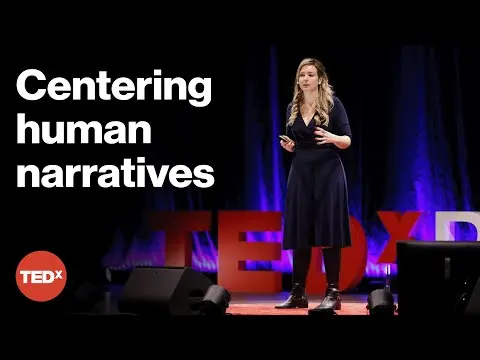
Why stories of trauma don’t create change | Nathalie McDermott | TEDxLondon
TL;DR
Campaign stories should inspire hope and action, not just awareness.
Transcript
growing up in the 80s I was obsessed with the Superman movies I just wanted to be lowest Lane so much so you can imagine how excited I was when I got my first real job in the media working for a national news program here in London and to be a good journalist I knew I had to channel my inner Lois I had to work really fast I had to work really well ... Read More
Key Insights
- 😑 Traditional trauma-focused storytelling in media can trigger fatalism, leading to public disengagement from pressing issues.
- 👨🎨 Campaigners must recognize that stories of pain, while attention-grabbing, often overwhelm audiences, resulting in emotional exhaustion.
- 👻 Transitioning from the 'drama triangle' to an 'empowerment dynamic' can allow for more constructive conversations and actions.
- 🛀 Successful campaigns have shown that highlighting solutions and potential outcomes can engage audiences more effectively than focusing on trauma.
- 🤞 Engaging storytelling should come from a place of empowerment, reframing narratives to inspire hope and action.
- 💨 Personal insights and experiences shared in a relatable way can foster a deeper connection with audiences.
- ❓ Campaigners should continuously assess their messaging to avoid triggering anxiety and defensiveness in their audiences.
Install to Summarize YouTube Videos and Get Transcripts
Explore YouTube Video Summarizer or Get YouTube Transcript Extractor
Questions & Answers
Q: What realization did the speaker have about storytelling in journalism?
The speaker realized that focusing on trauma in storytelling often leads to disengagement and hopelessness among the audience. They discovered that while such narratives might attract attention, they do not effectively inspire change or action. This insight led them to rethink communication strategies to foster a sense of empowerment rather than victimization.
Q: How does the concept of 'fatalism' affect campaigners and their audiences?
Fatalism creates a mindset where audiences feel overwhelmed by issues, leading them to believe that change is impossible. This sense of hopelessness diminishes the energy and motivation to act. The speaker highlights that as campaigners, it’s crucial to avoid instilling this mindset by focusing on empowering narratives that suggest actionable solutions instead.
Q: What is the 'drama triangle' and how does it relate to storytelling?
The drama triangle, as described by Cartman, involves three roles: victim, rescuer, and persecutor. In storytelling, leading with trauma places both the storyteller and the audience in the victim role, leading to a sense of helplessness. The speaker urges communicators to shift toward empowering narratives that promote creativity and solutions instead.
Q: Can you provide examples of effective narrative strategies discussed in the content?
The speaker mentions campaigns like "Breast Cancer Now’s Gallery of Hope," which showcases hopeful imagery and future possibilities regarding women with incurable conditions, moving audiences with potential rather than despair. Similarly, Ireland’s equal marriage campaign shifted focus to stories of acceptance instead of trauma, cultivating a more positive and empowering dialogue.
Q: How can campaigners avoid falling into the trap of trauma-focused storytelling?
To avoid trauma-focused narratives, campaigners can prioritize stories that highlight resilience, solutions, and community engagement. This involves quickly acknowledging pain but pivoting towards broader implications and actionable steps that empower the audience, creating a sense of agency rather than helplessness.
Q: What advice does the speaker offer for those creating campaigns?
The speaker encourages campaign creators to evaluate whether their narratives engage audiences positively or frighteningly. They suggest asking which communication dynamic is at play—drama or empowerment—and focus on crafting stories that invite curiosity and foster an engaged audience, eager to contribute to positive change.
Q: Why is it necessary to change the approach to storytelling in campaigns?
Changing the approach to storytelling is vital because narratives that solely highlight pain disengage audiences, making them feel incapable of effecting change. By reframing stories to center on hope and possible solutions, campaigners can better inspire and mobilize people towards constructive action.
Summary & Key Takeaways
-
The speaker shares their journey from journalism to campaigning, realizing that traditional methods of storytelling often focus on trauma but fail to inspire change.
-
An analysis of how leading with narratives centered on pain can trap audiences in a cycle of hopelessness, suggesting a need for a shift in storytelling strategies.
-
Emphasizing the importance of empowering narratives, the speaker discusses successful campaigns and how they focused on hope and solutions rather than solely on victimhood.
Read in Other Languages (beta)
Share This Summary 📚
Summarize YouTube Videos and Get Video Transcripts with 1-Click
Try YouTube Summary with ChatGPT & Claude or YouTube Transcript Generator
Explore More Summaries from TEDx Talks 📚
Summarize YouTube Videos and Get Video Transcripts with 1-Click
Try YouTube Summary with ChatGPT & Claude or YouTube Transcript Generator