How to Shade with Colored Pencils for Realistic Art
TL;DR
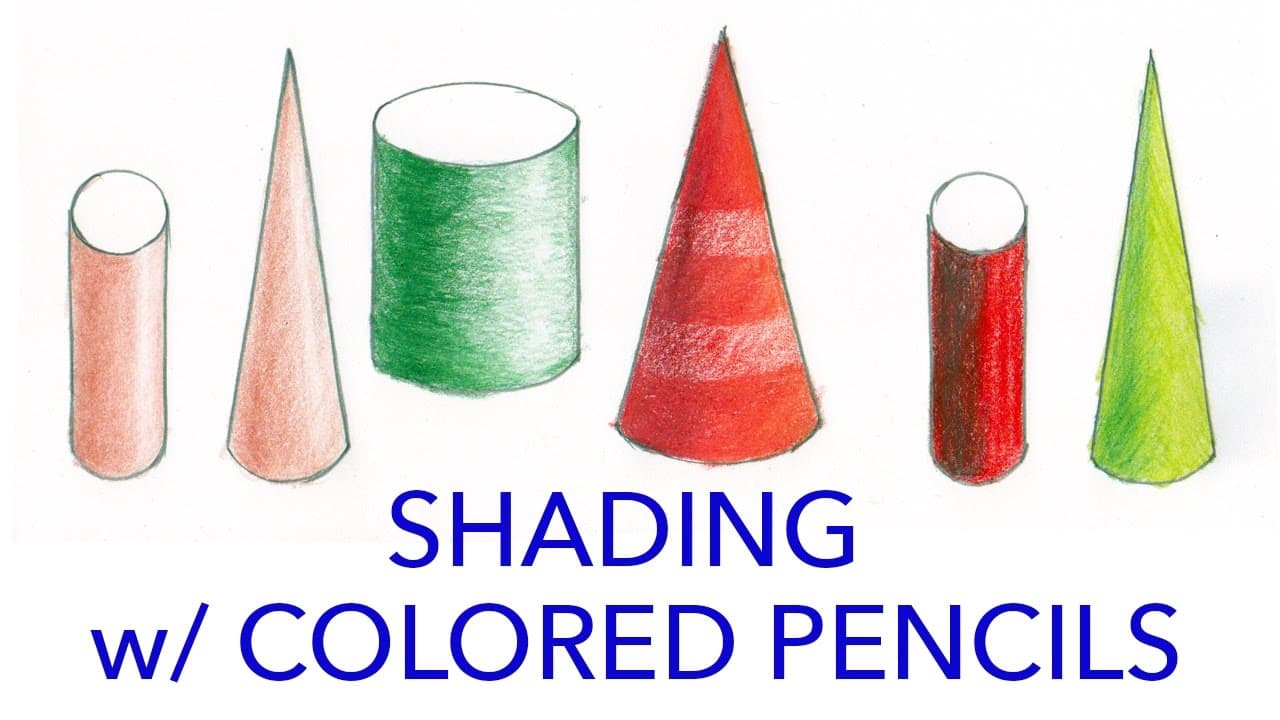
To shade effectively with colored pencils, use different pressures to create varying values of the same color, blending colors for depth. Choose Bristol smooth paper for better control, and enhance your work with tools like erasers or rubbing alcohol to achieve smooth transitions and highlights.
Transcript
hey hey party people welcome to the third installment of the shading basics series this one is going to be all about color pencil there is a list of all the supplies and that I use in this video in the description box below so click on that if you are curious but the colors don't matter that much the specific colors because I'm really talking about... Read More
Key Insights
- ❓ Utilize different values of the same color to create highlights and shadows for a realistic effect.
- 🎮 Choose Bristol smooth paper for color pencil shading, providing a suitable texture for better control.
- 🔨 Blending tools like rubbing alcohol and erasers help in achieving smooth transitions and highlights.
- 👪 Experiment with various color combinations within the same color family to create depth and visual interest.
- 🎮 Adjust pressure and direction of pencil strokes to control texture and shading effects.
- 😒 Use rubbing alcohol or baby oil for blending and smoothing out color pencil work.
- ⚾ Match the temperature of gray pencils with the base color for harmonious shading.
Install to Summarize YouTube Videos and Get Transcripts
Explore YouTube Video Summarizer or Get YouTube Transcript Extractor
Questions & Answers
Q: What is the key to creating realistic shadows with color pencils?
The key lies in using different values of the same color and adjusting the pressure to create highlights and shadows effectively.
Q: How does the choice of paper impact the outcome of color pencil shading?
Opt for Bristol smooth paper with a slight texture that grips the pencil for better control and blending.
Q: How can blending tools like rubbing alcohol enhance color pencil shading?
Rubbing alcohol can be used to blend colors seamlessly, creating a smooth finish and realistic shading effects.
Q: Why is it essential to test colors on a scrap piece before applying them to the artwork?
Testing colors helps in understanding how they interact and layer, ensuring the desired outcome without unexpected results.
Summary & Key Takeaways
-
Detailed tutorial on shading with color pencils using different values to create highlights and shadows.
-
Tips on choosing the right paper and blending colors to achieve a smooth finish.
-
Demonstration of various techniques including erasing for highlights and using blending tools like rubbing alcohol.
Read in Other Languages (beta)
Share This Summary 📚
Summarize YouTube Videos and Get Video Transcripts with 1-Click
Try YouTube Summary with ChatGPT & Claude or YouTube Transcript Generator
Explore More Summaries from Zoe Hong 📚


Summarize YouTube Videos and Get Video Transcripts with 1-Click
Try YouTube Summary with ChatGPT & Claude or YouTube Transcript Generator