Decorative Painting Techniques : How to Paint Plaid Walls
TL;DR
Learn how to create a plaid pattern on walls using accurate measuring, taping, and glazing techniques.
Transcript
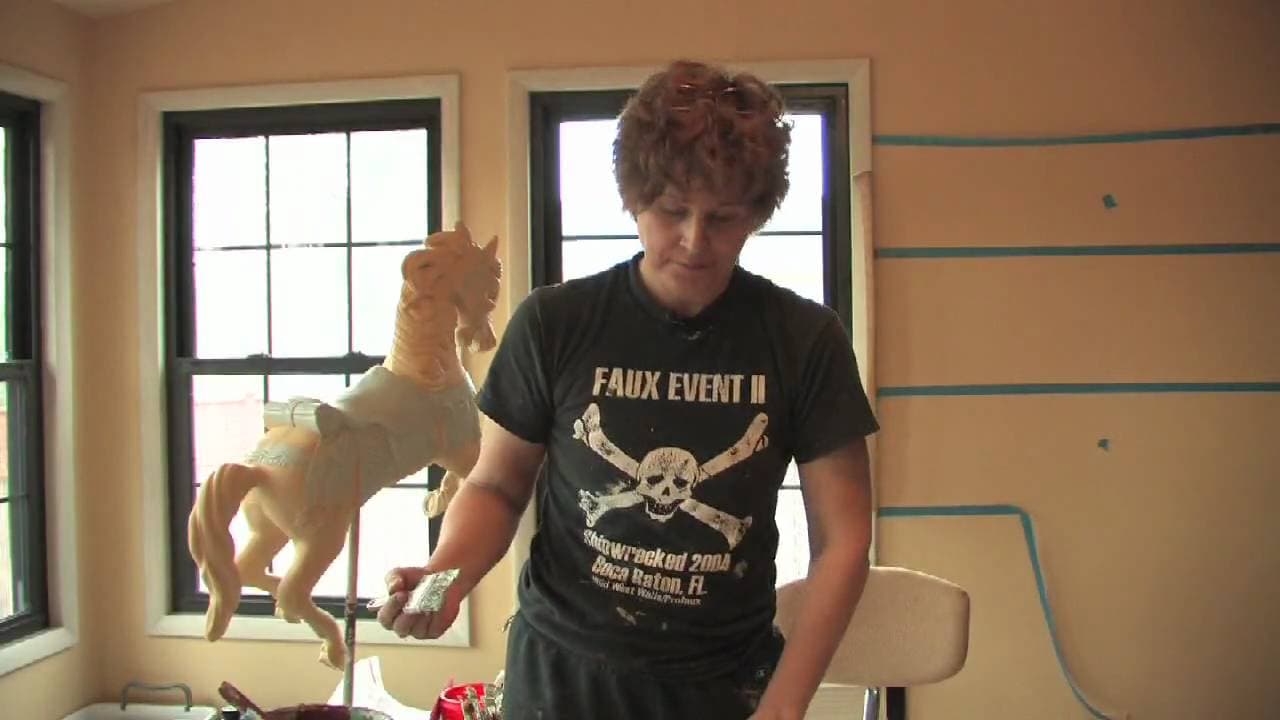
how to paint plaid the main ingredients in this are going to be accurate very accurate taping measuring tape a level to make sure it's level and plumb your lines and a pencil I have determined the size of my plaid blocks by measuring from the ceiling to the base board which is 84 inches an equal amount so we don't end up with a little sliver above ... Read More
Key Insights
- ❓ Accurate measuring and marking are crucial for a successful plaid pattern.
- 🫥 Using painter's tape helps in creating clean lines for the pattern.
- 👀 Glazing over taped sections helps in achieving a cohesive plaid look.
- 👨🎨 Removing tape at an angle can prevent paint from peeling off.
- 🤕 Alternating painted and unpainted bands creates a dynamic plaid effect.
- 🎨 Choosing complementary colors for the plaid pattern enhances the overall design.
- ❓ Experimenting with different glazing techniques can result in unique plaid patterns.
Install to Summarize YouTube Videos and Get Transcripts
Explore YouTube Video Summarizer or Get YouTube Transcript Extractor
Questions & Answers
Q: What are the essential tools needed to paint a plaid pattern on walls?
The main tools for painting plaid walls include accurate measuring tape, level, pencil, painter's tape, and glaze for creating the pattern.
Q: How can one ensure straight lines when taping for a plaid pattern?
To ensure straight lines, use a level to ensure the tape is plumb and mark the wall with small dots for reference before applying the tape.
Q: Why is it important to use a glaze for creating a plaid pattern?
Glaze helps to create a translucent layer over the painted sections, allowing the underlying color to show through and enhancing the plaid effect.
Q: What technique should be used to remove the tape after painting the plaid pattern?
When removing the tape, pull it at an angle to prevent the paint from peeling off, ensuring clean and crisp lines for the finished plaid pattern.
Summary & Key Takeaways
-
Measure and mark plaid block sizes accurately to avoid uneven patterns.
-
Use tape to create bands for painting, ensuring some bands remain unpainted.
-
Apply glaze evenly over taped sections to create a cohesive plaid pattern on walls.
Read in Other Languages (beta)
Share This Summary 📚
Summarize YouTube Videos and Get Video Transcripts with 1-Click
Try YouTube Summary with ChatGPT & Claude or YouTube Transcript Generator
Explore More Summaries from ehow 📚
Summarize YouTube Videos and Get Video Transcripts with 1-Click
Try YouTube Summary with ChatGPT & Claude or YouTube Transcript Generator