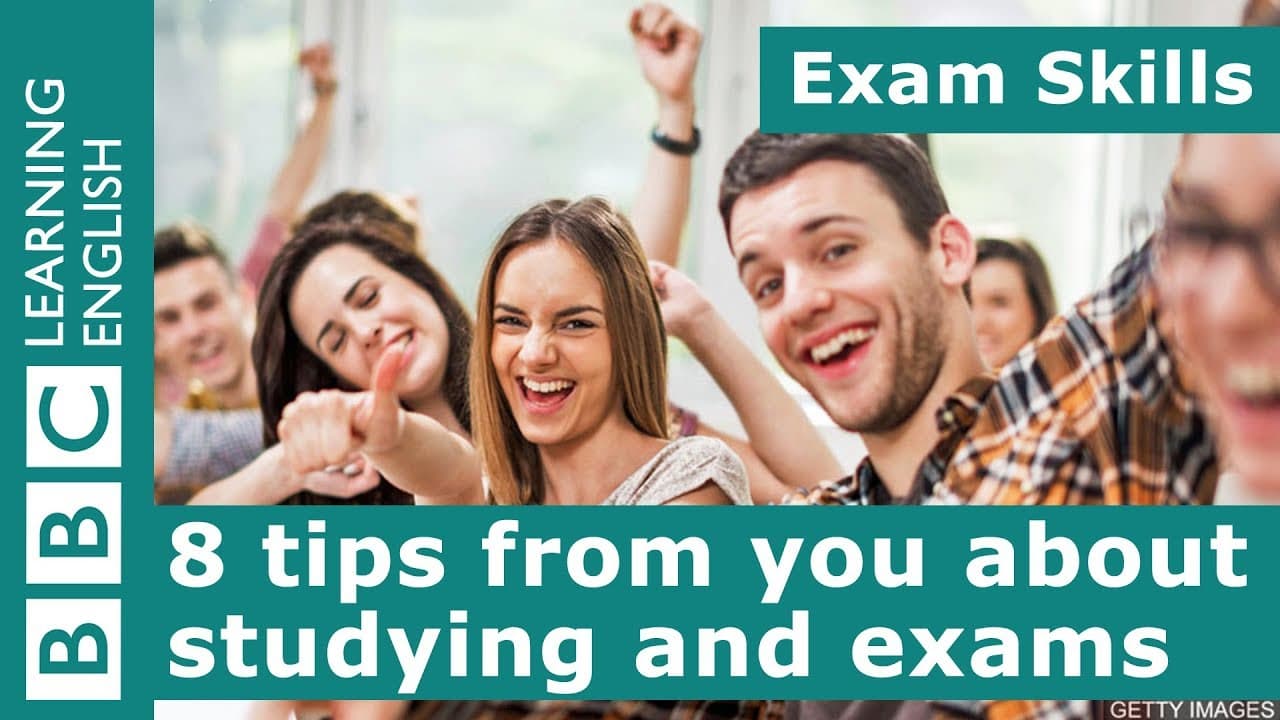
Exam skills: 8 tips from you about studying and exams
TL;DR
Eight tips to enhance studying and exam preparation.
Transcript
Rob We've all experienced the pain and joy of studying and taking exams. Our top tips have hopefully helped you along the way but we've also asked you to share your advice with us and now we can hear what some of you have been saying… Melody, in Shaanxi province, China told us about not studying too hard… Melody Take a break after one hours revisio... Read More
Key Insights
- Taking breaks after an hour of study can help improve memory retention, preventing cognitive overload and enhancing overall learning effectiveness.
- Sitting at the front in class can improve concentration and understanding, but self-research in libraries is valuable for in-depth learning.
- Regular note-taking and reviewing are crucial for reinforcing classroom learning and ensuring long-term retention of material.
- Studying alone effectively involves gathering resources, reading aloud for better comprehension, and seeking clarification from teachers when needed.
- Incorporating music into language learning, such as singing vocabulary with lyrics, can make memorization enjoyable and effective.
- Writing down new words, finding synonyms, and using them in sentences can deepen vocabulary understanding and usage.
- Engaging with media in the target language, like TV shows and movies, helps reinforce language basics and enhances fluency.
- Subscribing to educational platforms like bbclearningenglish.com provides structured language learning resources and support.
Install to Summarize YouTube Videos and Get Transcripts
Explore YouTube Video Summarizer or Get YouTube Transcript Extractor
Questions & Answers
Q: What is Melody's advice on studying?
Melody advises taking breaks after one hour of revision to prevent cognitive overload and improve memory retention. She emphasizes that by revising and practicing properly, students can enhance their learning outcomes, suggesting that shorter, focused study sessions are more effective than prolonged periods of study.
Q: How does Haridan approach learning in class?
Haridan prefers to sit at the front of the class to concentrate better on the lessons. Instead of asking questions immediately, he chooses to do further research in the library, indicating a preference for self-directed learning and reinforcing classroom knowledge through independent exploration.
Q: What study method does Lily from Japan recommend?
Lily recommends collecting relevant books from the library and studying alone at home. She suggests reading aloud as a strategy to better understand the material, and encourages asking teachers for clarification on unclear topics to ensure a comprehensive understanding of the subject matter.
Q: What unique technique does Veronica use to learn vocabulary?
Veronica combines her love for music with language learning by singing her favorite songs with the lyrics in front of her. She believes that this method, practiced for 15 to 30 minutes daily, can significantly improve vocabulary retention and language skills over time.
Q: What is Diardano's advice for learning new words?
Diardano suggests not only writing new words in notes but also finding their synonyms and constructing sentences with them. This approach is intended to deepen the understanding of vocabulary and improve the ability to use new words contextually in everyday language.
Q: How does Ramin suggest improving and retaining language skills?
Ramin advises learning the basics of a language and then immersing oneself in relevant TV shows, movies, and songs. This method is touted as an effective way to reinforce language skills and prevent forgetting, leveraging entertainment media as a tool for language practice.
Q: What is Ali's recommended resource for learning English?
Ali recommends subscribing to bbclearningenglish.com as a valuable resource for learning English. This platform offers structured content and resources that can support language learners in improving their skills through various educational materials and interactive learning opportunities.
Q: What is the overall message of the content?
The overall message is that combining different study techniques and resources can enhance learning and exam preparation. It underscores the importance of breaks, effective classroom habits, independent study, creative learning methods, and utilizing educational platforms to achieve academic success.
Summary & Key Takeaways
-
The content provides practical tips for studying and exam preparation, emphasizing the importance of taking breaks, effective classroom habits, and independent study techniques.
-
Language learning is enhanced through creative methods such as using music and media, alongside traditional practices like note-taking and vocabulary exercises.
-
The advice highlights the value of combining personal study habits with available educational resources for comprehensive learning and exam success.
Read in Other Languages (beta)
Share This Summary 📚
Summarize YouTube Videos and Get Video Transcripts with 1-Click
Try YouTube Summary with ChatGPT & Claude or YouTube Transcript Generator
Explore More Summaries from BBC Learning English 📚

Summarize YouTube Videos and Get Video Transcripts with 1-Click
Try YouTube Summary with ChatGPT & Claude or YouTube Transcript Generator