How to Create Mood Boards for Fashion Design
TL;DR
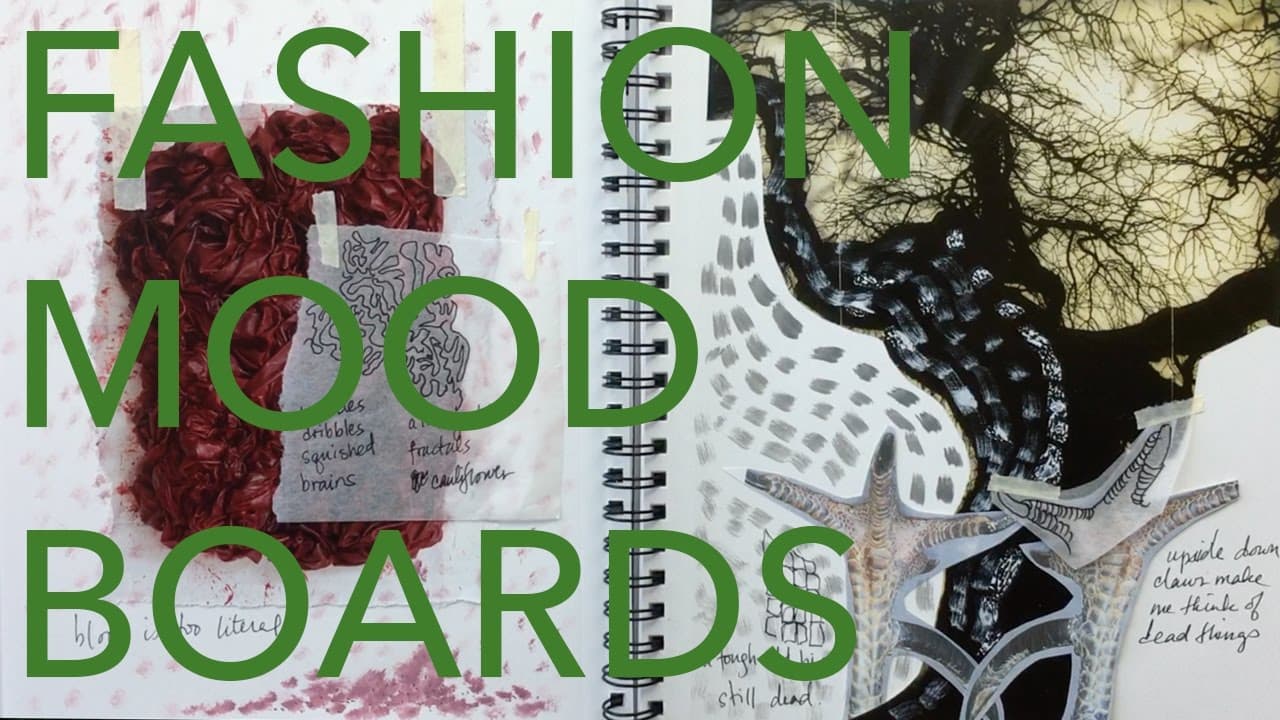
Creating mood boards in fashion design starts with gathering inspiration from diverse sources like books, nature, and magazines to develop a unique concept. These boards visually communicate the theme and cohesion of your design project, guiding the creative process and ensuring clarity in your artistic vision.
Transcript
hey guys welcome to video number two of the design process series this video is going to cover initial concept inspiration sketchbook development and mood boards it is a just disgusting gray rainy drizzly crappy day outside I'm having a bad hair day I am slightly over caffeinated yeah let's get started oh right because you know what not every day i... Read More
Key Insights
- 🎨 Incorporating personal interests and unique perspectives can enhance design concepts.
- 🥺 Experimenting with different image formats and manipulations can lead to innovative design inspirations.
- 🏂 Mood boards serve as visual storytelling tools to communicate the essence and theme of a design project.
- 🎨 Exploration of textures, colors, and patterns is crucial in developing a cohesive and visually appealing design concept.
- 🏂 Seeking feedback and feedback on mood board coherence is essential for refining design ideas and ensuring a clear message.
- 🎨 Connecting elements like photography, textures, and color schemes can elevate the visual impact of a design project.
- 🎨 Incorporating diverse influences and exploring unconventional sources can result in original and captivating design outcomes.
Install to Summarize YouTube Videos and Get Transcripts
Explore YouTube Video Summarizer or Get YouTube Transcript Extractor
Questions & Answers
Q: Why is it important for fashion designers to know how to sew?
Sewing skills are crucial for fashion designers to understand garment construction, pattern making, and problem-solving, which are essential in creating unique designs and executing them effectively.
Q: How can designers find inspiration for their projects?
Designers can seek inspiration from varied sources like books, magazines, nature, art galleries, or personal experiences to spark creativity and develop a distinct design concept.
Q: What are some tips for creating a cohesive mood board?
To create a cohesive mood board, focus on a specific theme, ensure visual consistency, involve textures and patterns, seek feedback for clarity, and maintain a balance between elements for a compelling presentation.
Q: Why should designers document their image sources for mood boards?
Documenting image sources helps designers reference back to the original inspiration sources, maintain ethical practices in design, and provide credibility and transparency in their creative process.
Summary & Key Takeaways
-
Initial concept inspiration involves exploring various sources like books, magazines, and nature for creative ideas.
-
Mood boards are essential to visually convey a theme and cohesive message for a design project.
-
Building visual development pages helps in refining ideas and connecting different elements for a unique design perspective.
Read in Other Languages (beta)
Share This Summary 📚
Summarize YouTube Videos and Get Video Transcripts with 1-Click
Try YouTube Summary with ChatGPT & Claude or YouTube Transcript Generator
Explore More Summaries from Zoe Hong 📚
Summarize YouTube Videos and Get Video Transcripts with 1-Click
Try YouTube Summary with ChatGPT & Claude or YouTube Transcript Generator