What Is the History of Trans Rights and Activism?
TL;DR
The history of trans rights is rich and complex, showcasing that transgender individuals have existed and fought for equality throughout time across various cultures. From indigenous recognition of gender variance to pivotal events in the LGBT rights movement, such as the Stonewall riots, trans activists have faced systemic discrimination while demanding justice and recognition. Acknowledging this history is crucial in understanding the ongoing struggle for trans rights today.
Transcript
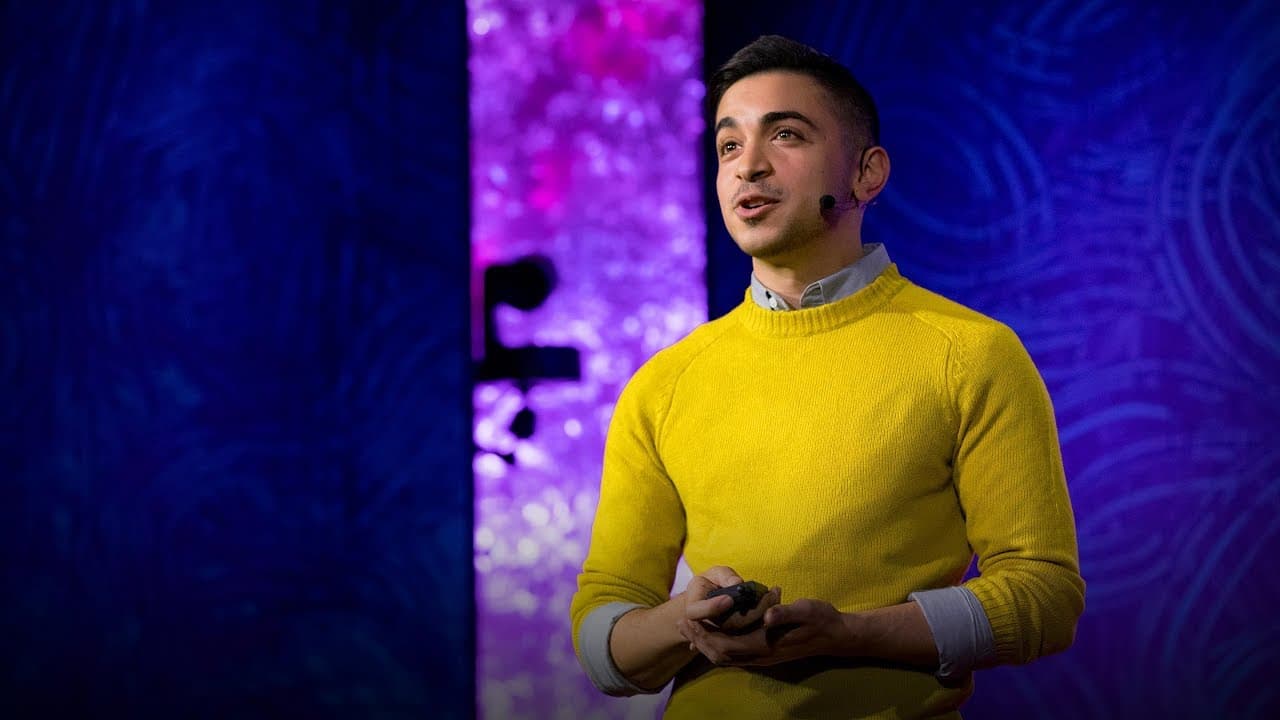
Why are transgender people suddenly everywhere? (Laughter) As a trans activist, I get this question a lot. Keep in mind, less than one percent of American adults openly identify as trans. According to a recent GLAAD survey, about 16 percent of non-trans Americans claim to know a trans person in real life. So for the other 84 percent, this may seem ... Read More
Key Insights
- 🌍 Trans people have existed throughout history in various cultures and societies, with gender variance recognized and valued in many indigenous communities.
- 📚 The history of trans people includes individuals who presented as a different gender in order to live authentically, such as women who disguised as men during the US Civil War.
- 🌈 Trans people of color, such as Miss Major Griffin-Gracy, made significant contributions to the LGBTQ+ rights movement, often facing discrimination and violence for their gender expression.
- 🔥 The riots at Cooper Do-nuts, Compton's Cafeteria, and Stonewall Inn were pivotal moments in the fight for LGBTQ+ rights, led by trans activists like Sylvia Rivera and Marsha P. Johnson.
- ⚖️ Trans people have long fought for equal treatment under the law, facing higher rates of discrimination, unemployment, and arrests.
- 🖼️ The burning of Magnus Hirschfeld's Institute for Sexual Research by the Nazis in 1933 had devastating implications for trans research and a deliberate attempt to erase the history of trans people. ⏳ Acknowledging the long history of trans activism challenges the notion that the movement is just a phase and calls for immediate action to address the discrimination and violence faced by trans individuals, particularly trans women of color.
- 💪 The trans community is a supportive and resilient one, providing a source of pride, unity, and celebration amidst the struggles and challenges faced by its members.
Install to Summarize YouTube Videos and Get Transcripts
Explore YouTube Video Summarizer or Get YouTube Transcript Extractor
Questions & Answers
Q: Why are transgender people suddenly everywhere?
Transgender people are not suddenly everywhere; they have always existed. It may seem like a new topic for the majority of non-trans Americans because less than one percent of American adults openly identify as transgender. However, throughout history and across different cultures, gender variance has been recognized, and communities have acknowledged multiple genders.
Q: What are some examples of cultures that have recognized multiple genders?
The hijra community in India and Pakistan, mentioned in the Kama Sutra dating back 2,000 years, is one example. Indigenous American nations also have their own terms, but most share the umbrella term "two-spirit" to recognize gender-variant people as shamans and healers in their communities.
Q: Are there historical instances of transgender practices?
Yes, there are historical instances of transgender practices. For example, during the US Civil War, some women presented as men to fight in the war. After the war, most returned to their lives as women, but a few, like Albert Cashier, continued living as men. Another example is the formation of the Cercle Hermaphroditos in the late 1800s, which was one of the earliest trans support groups.
Q: Were transgender individuals involved in the LGBT rights movement?
Transgender individuals played significant roles in the LGBT rights movement. Figures like Sylvia Rivera, Marsha P. Johnson, and Miss Major Griffin-Gracy were veterans of the Stonewall Inn riots in 1969 and established organizations like STAR (Street Transvestite Action Revolutionaries). Trans people have consistently fought for equal treatment under the law, even as they faced discrimination, unemployment, arrests, and the AIDS epidemic.
Q: How have trans people been historically marginalized and erased?
Trans people have faced marginalization and attempts at erasure throughout history. The burning of works from the Institute for Sexual Research, including those related to trans individuals, by the Nazis was a deliberate attempt to erase trans people. This was not an isolated incident, as trans stories have often been buried and forgotten. Their struggles and contributions have been overlooked, leading to the impression among some that trans issues are new.
Summary & Key Takeaways
-
Transgender people have always existed throughout history, but many people are only now becoming aware of their existence due to increased visibility and recognition.
-
Gender variance and recognition of multiple genders can be found in cultures across the world, dating back centuries.
-
Trans people have faced discrimination and persecution throughout history, and their stories and struggles must be acknowledged and remembered in order to fight for equality.
Read in Other Languages (beta)
Share This Summary 📚
Summarize YouTube Videos and Get Video Transcripts with 1-Click
Try YouTube Summary with ChatGPT & Claude or YouTube Transcript Generator
Explore More Summaries from TED 📚






Summarize YouTube Videos and Get Video Transcripts with 1-Click
Try YouTube Summary with ChatGPT & Claude or YouTube Transcript Generator