The iPhone Conspiracy. (I Was Right)
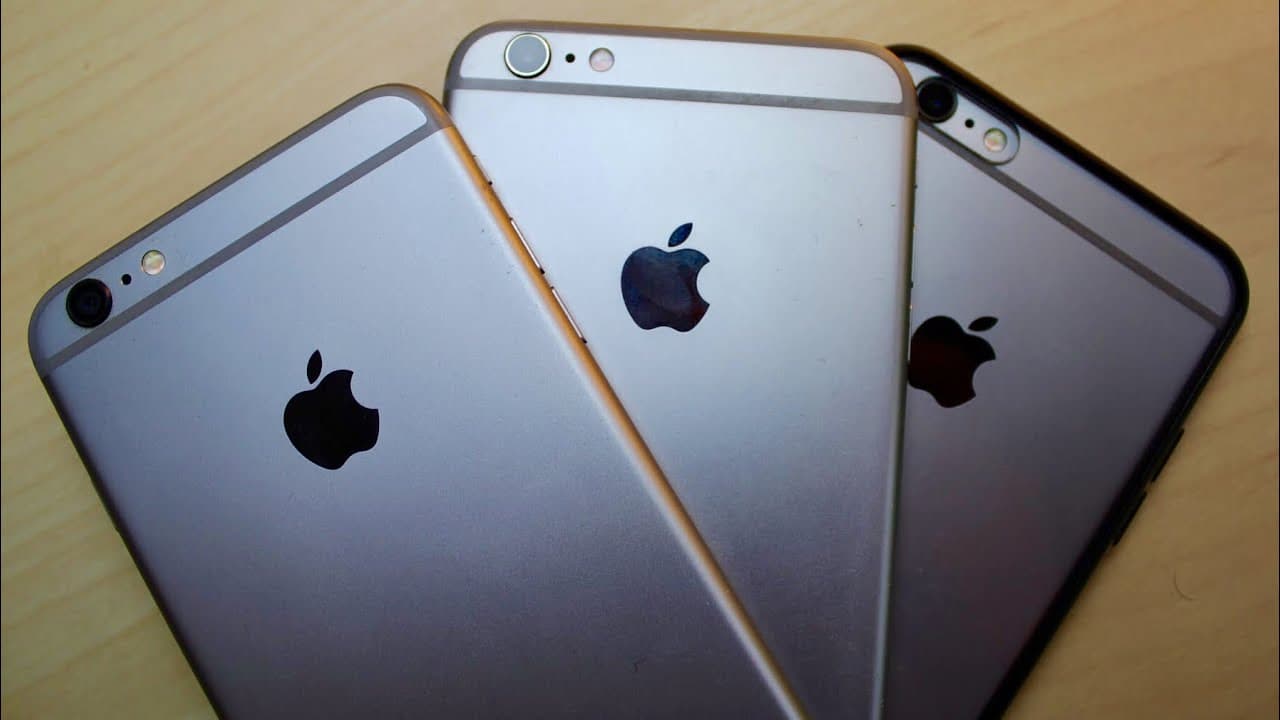
TL;DR
The speaker believes Apple slows down older phones to boost new device sales.
Transcript
hey what's up dude so for this whole entire video I'm going completely off script completely rogue I don't have a script in front of me I'm just looking at a - - right now with my voice things kind of weird-looking but and I've been saying this for a while now even like last year whenever I had like 500 subscribers when I started saying this but ho... Read More
Key Insights
- 🥶 The speaker argues that Apple may utilize software updates to intentionally degrade older iPhones' performance.
- 👤 Users often mistake slow performance for hardware failure without considering software issues.
- 🏍️ The speaker has personally observed this cycle with multiple iPhone models over the years.
- 🙈 Aligning software updates with product launches is seen as a strategy for driving sales of new devices.
- 👶 The removal of features such as the headphone jack is suggested to promote sales of new accessories, not for technological advancement.
- 👤 Apple, while innovative, also employs marketing strategies aimed at maximizing revenue through user upgrades.
- ⁉️ This perspective challenges the perception of corporations as purely beneficial entities and prompts questions about consumer loyalty and manipulation.
Install to Summarize YouTube Videos and Get Transcripts
Explore YouTube Video Summarizer or Get YouTube Transcript Extractor
Questions & Answers
Q: Why does the speaker believe Apple slows down older phones?
The speaker suggests Apple intentionally slows down older phones through software updates to promote the sale of new iPhone models. This strategy is believed to encourage users experiencing performance issues to upgrade rather than blame the software for their problems.
Q: How do customers typically react to software updates on their phones?
Many customers, particularly those who are not tech-savvy, tend to assume that performance problems stem from hardware issues rather than the software itself. When their older iPhones slow down after an update, they may feel compelled to purchase a new device, believing their current one has reached the end of its life.
Q: What evidence supports the speaker’s theory about Apple’s update strategy?
The speaker notes a pattern wherein major iOS updates coincide with new iPhone releases. This timing often leads to user complaints about performance, which the speaker believes is part of a larger marketing strategy to encourage upgrades to the latest models, thereby increasing profits for Apple.
Q: Does the speaker view Apple as a malicious company?
No, the speaker does not label Apple as a malicious or "schemey" company. Instead, they describe Apple as a business that operates within the constraints of profit-making, suggesting that its actions are typical for large corporations looking to enhance their sales and market presence.
Summary & Key Takeaways
-
The speaker shares a perspective that Apple may intentionally slow down older iPhone models through software updates to encourage upgrades to new models, particularly during new iPhone launches.
-
Users often attribute performance issues to hardware failures rather than software problems, leading them to consider purchasing newer phones when updates degrade performance.
-
The cyclical nature of iPhone updates and releases suggests a strategy where Apple aligns software updates with new iPhone launches, contributing to consumer decisions for upgrading.
Read in Other Languages (beta)
Share This Summary 📚
Summarize YouTube Videos and Get Video Transcripts with 1-Click
Try YouTube Summary with ChatGPT & Claude or YouTube Transcript Generator
Explore More Summaries from Simple Alpaca 📚



Summarize YouTube Videos and Get Video Transcripts with 1-Click
Try YouTube Summary with ChatGPT & Claude or YouTube Transcript Generator