Why Does Smoking Impair Wound Healing?
TL;DR
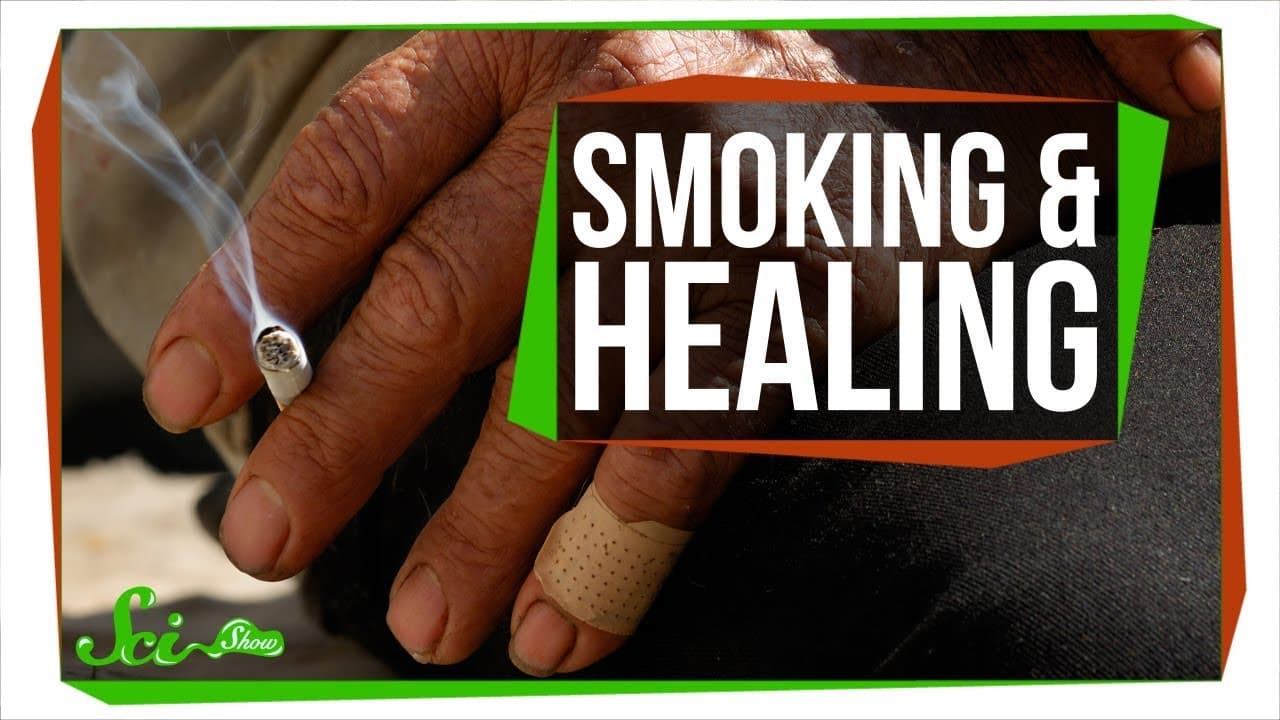
Smoking significantly impairs wound healing by reducing oxygen levels and affecting critical processes like clot formation, immune response, collagen production, and tissue repair. While stopping smoking after an injury helps improve healing, it doesn't fully restore the body's ability to heal as effectively as a non-smoker.
Transcript
[intro ] If you’ve ever smoked cigarettes, you’ve probably been told at some point to stop smoking after an injury or medical procedure. With the many very good reasons smoking is unhealthy in general, you might think doctors are just taking whatever opportunities they can to tell you to quit. But the reason they give you those instructions is abou... Read More
Key Insights
- 💐 Smoking reduces oxygen flow crucial for wound healing.
- 💁 Cigarette chemicals affect clot formation, immune response, collagen production, and tissue repair.
- 🦻 Quitting smoking post-injury/surgery aids but doesn't fully restore healing processes.
- ❓ Immediate cessation after injury/surgery improves immune response.
- 🧑⚕️ Long-term smoking cessation is recommended for optimal healing and overall health.
- 🚬 Nicotine in cigarettes induces enzyme production, worsening tissue damage.
- 🚬 Smoking disturbs all phases of wound healing, compromising overall recovery.
Install to Summarize YouTube Videos and Get Transcripts
Explore YouTube Video Summarizer or Get YouTube Transcript Extractor
Questions & Answers
Q: How does smoking impact wound healing?
Smoking delays wound healing in multiple ways. It affects clot formation, hinders the immune response, reduces oxygen flow crucial for healing, disrupts collagen production, and impairs tissue repair.
Q: Why is it important to quit smoking after an injury or surgery?
Quitting smoking post-injury/surgery is crucial as smoking interferes with crucial healing processes. It affects immune response, collagen production, and tissue repair, leading to delayed healing and increased risk of complications.
Q: How long does it take for wound healing to normalize after quitting smoking?
After quitting smoking, the tissue filling and strengthening phases of wound healing can take months to normalize, even though immediate cessation after injury or surgery can aid immune response and initial healing processes.
Q: What are the implications of smoking on overall health beyond wound healing?
Smoking not only delays wound healing but also increases the risk of various health issues. Quitting smoking can significantly reduce these risks and improve overall health outcomes.
Summary & Key Takeaways
-
Smoking delays wound healing by affecting clot formation, immune response, collagen production, and tissue repair.
-
Nicotine, carbon monoxide, and hydrogen cyanide in cigarettes lower oxygen levels crucial for healing.
-
Even stopping smoking post-injury/surgery doesn't fully restore healing processes, emphasizing the importance of quitting.
Read in Other Languages (beta)
Share This Summary 📚
Summarize YouTube Videos and Get Video Transcripts with 1-Click
Try YouTube Summary with ChatGPT & Claude or YouTube Transcript Generator
Explore More Summaries from SciShow 📚


Summarize YouTube Videos and Get Video Transcripts with 1-Click
Try YouTube Summary with ChatGPT & Claude or YouTube Transcript Generator