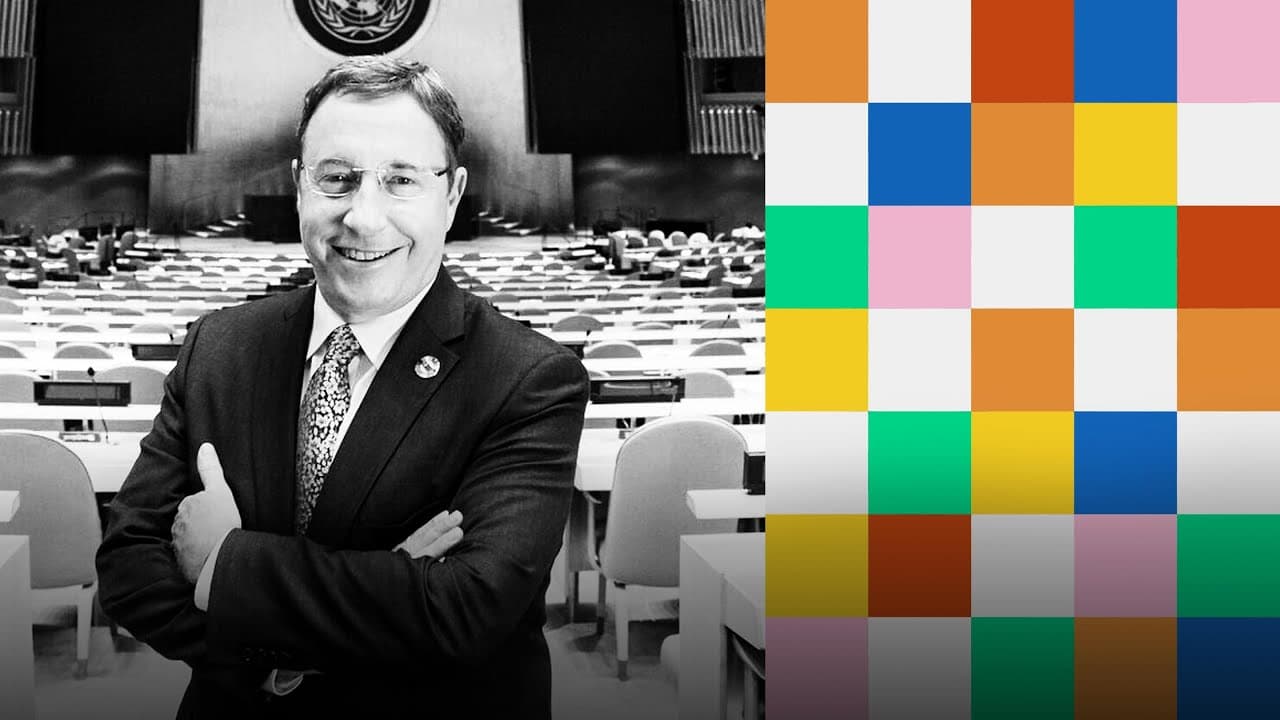
The alliances needed to rebuild the developing world | Achim Steiner
TL;DR
In this conversation, the UNDP Administrator discusses the impact of COVID-19 on global inequalities, the need for collective responses, and the importance of addressing racial and ethnic equity in development.
Transcript
Brazil it's my honor to welcome a Finnish diner are you on of them hi good to be with you hello nice to be with you as well there's obviously so much going on in this moment so many things we could talk about I really want to ask first focusing on Kovan 19 coronavirus this moment obviously has mapped on to and exposed so many inequalities that alre... Read More
Key Insights
- 🌍 The COVID-19 pandemic has exposed and magnified existing inequalities across the globe, affecting over 4 billion people worldwide in a synchronized fashion. This crisis has been a great equalizer in some ways, as everyone had to respond to the virus regardless of their background or resources.
- 👥 The crisis has also revealed the underlying conditions of inequality that already existed, particularly in terms of access to healthcare and resources. This has highlighted the need for a more equitable approach to development moving forward.
- 💡 The crisis has forced organizations, like the United Nations Development Programme (UNDP), to adapt and think differently about how they respond to global challenges. It has underscored the importance of preparedness and the ability to provide support to the most vulnerable populations.
- 🌱 The crisis has highlighted the importance of resilience and the need to invest in sustainable solutions. For example, expanding access to clean energy in Africa could stimulate economic growth, create jobs, and help the continent transition to a low-carbon future.
- 🤝 Public-private partnerships have played a crucial role in the pandemic response, from delivering essential supplies to supporting economic recovery. Collaboration between governments, businesses, and civil society is necessary to address the complex challenges we face.
- 🚰 The pandemic has also emphasized the need for improved access to basic necessities, such as clean water and sanitation. In many developing countries, access to water and proper hygiene facilities is still lacking, further exacerbating the spread of the virus.
- 🔬 The crisis has led to an increased reliance on digital technologies, as they have been instrumental in providing information, services, and support. Digital platforms have the potential to address gaps in access to services and leapfrog traditional infrastructure limitations.
- 🌎 Despite the challenges and tensions faced during this crisis, there is still hope for global cooperation and solidarity. History has shown that human beings are capable of overcoming challenges and creating a better future. It is crucial to recognize the power of collective action and the role of leadership in guiding us towards a more equitable world.
Install to Summarize YouTube Videos and Get Transcripts
Explore YouTube Video Summarizer or Get YouTube Transcript Extractor
Questions & Answers
Q: Has the COVID-19 pandemic changed the way we think about development?
Yes, the pandemic has exposed and exacerbated existing inequalities in our world. It has affected billions of people and highlighted the differences in access to healthcare and resources. The response to the pandemic has shown that we need to address the underlying conditions of inequality and rethink how we approach development in the future.
Q: Has the pandemic revealed the failures of global institutions?
While there have been criticisms of global institutions, it is important to recognize their role in addressing the pandemic. The United Nations, the International Monetary Fund, and the World Health Organization have been working to provide support and resources to countries around the world. These institutions have helped countries with access to finance, medical supplies, and coordinated responses.
Q: How has the pandemic affected the work of the United Nations Development Programme (UNDP)?
The pandemic has presented unique challenges for UNDP. With staff across 170 countries, the organization has had to adapt to running operations remotely and ensuring the safety and well-being of its employees. UNDP has been working to support vulnerable populations and countries with limited resources, including providing cash transfers, setting up digital finance systems, and assisting with essential services and medical equipment.
Q: In light of the pandemic, how can public-private partnerships contribute to recovery efforts?
Public-private partnerships are crucial in addressing the effects of the pandemic. Collaboration with companies has been essential in delivering essential supplies, setting up digital platforms for assistance, and providing support to countries. The private sector can play a role in delivering public goods and investments, and governments can work together with businesses to prioritize economic policies and recovery efforts.
Q: How can development efforts address racial and ethnic equity?
Development work must recognize and address the inequalities and discrimination faced by different racial and ethnic groups. It starts with creating awareness, education, and dialogue in communities and institutions. Governments, civic leaders, and organizations need to invest in programs and policies that promote equality, diversity, and inclusion. Development should focus on eradicating discrimination and creating opportunities for all individuals regardless of their race or ethnicity.
Q: Are you encouraged or discouraged by the global response to the pandemic?
While there are challenges and tensions within the global response, there are also examples of cooperation and collaboration. Institutions like the World Health Organization and the International Monetary Fund have been working to support countries and provide resources. However, there is still work to be done in maintaining unity and trust among nations. It is crucial to continue working together and find ways to address the pandemic collectively.
Summary & Key Takeaways
-
The COVID-19 pandemic has exposed and exacerbated existing inequalities in the world.
-
Over 4 billion people across the globe have been in lockdown mode, revealing the need for access to healthcare and resources to cope with the crisis.
-
The crisis has highlighted the importance of global cooperation and the need for both public and private sectors to work together to address the challenges faced.
Read in Other Languages (beta)
Share This Summary 📚
Summarize YouTube Videos and Get Video Transcripts with 1-Click
Try YouTube Summary with ChatGPT & Claude or YouTube Transcript Generator
Explore More Summaries from TED 📚





Summarize YouTube Videos and Get Video Transcripts with 1-Click
Try YouTube Summary with ChatGPT & Claude or YouTube Transcript Generator