What Causes Self-Bias in Worldviews?
TL;DR
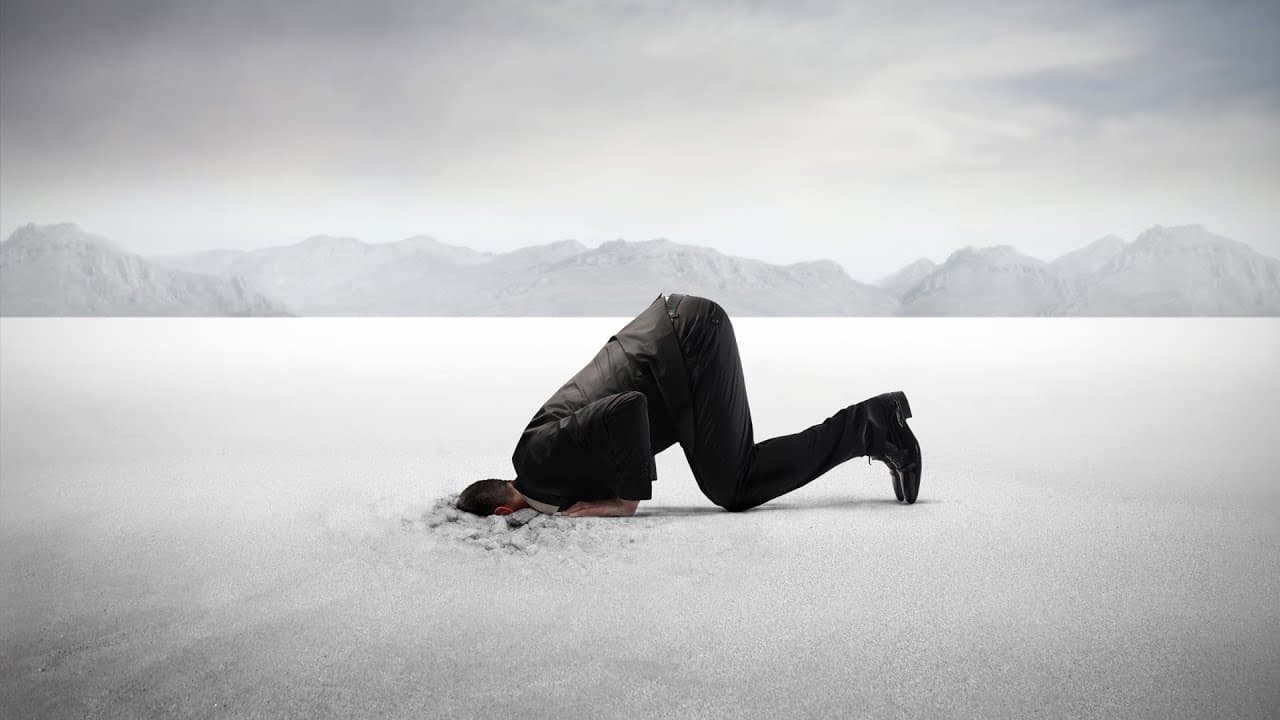
Self-bias is a pervasive issue where individuals and groups favor their own beliefs and perspectives, often leading to conflict and misunderstanding. This bias prevents objective analysis and hinders the pursuit of truth, as people tend to justify their own views while dismissing others. Overcoming self-bias requires conscious effort to recognize and challenge one's own assumptions.
Transcript
welcome in this episode we're gonna be talking about self bias this is an exciting topic that I've been wanting to talk about for four years now in some great lengths because this is a core problem of epistemology and epistemology remember don't get confused by this word all it means is the theory of human knowledge so how do we know anything as hu... Read More
Key Insights
- Self-bias is the mind's natural tendency to favor its own intellectual positions over others.
- All worldviews are inherently question-begging due to self-bias.
- Self-bias prevents fair and objective evaluation of one's own worldview relative to others.
- Most people are unaware of their self-bias and rationalize their beliefs with circular reasoning.
- Self-bias is prevalent in all human pursuits, from philosophy to politics and religion.
- The denial of self-bias is a defense mechanism to avoid cognitive dissonance.
- True objectivity and impartiality are rare and require conscious effort to achieve.
- Self-bias leads to societal issues like racism, nationalism, and ideological conflicts.
Install to Summarize YouTube Videos and Get Transcripts
Explore YouTube Video Summarizer or Get YouTube Transcript Extractor
Questions & Answers
Q: What is self-bias in worldviews?
Self-bias in worldviews is the tendency for individuals or groups to favor their own beliefs and perspectives over others. This bias leads to a lack of objective evaluation and often results in the dismissal or undervaluing of alternative viewpoints. Self-bias is a significant barrier to understanding and truth, as it encourages circular reasoning and prevents genuine inquiry into the nature of reality.
Q: How does self-bias affect philosophical inquiry?
Self-bias affects philosophical inquiry by skewing the arguments and conclusions towards one's pre-existing beliefs. Philosophical schools often present biased arguments in favor of their own positions while dismissing others. This lack of impartiality hinders the pursuit of truth and leads to intellectual stagnation, as individuals are more concerned with defending their views than genuinely exploring new ideas.
Q: Why is self-bias a problem in scientific exploration?
Self-bias in scientific exploration leads to the dismissal of evidence or theories that do not fit within the established scientific paradigm. Scientists may unconsciously favor methodologies and conclusions that align with their beliefs, leading to paradigm lock and resistance to groundbreaking discoveries. This bias can stifle innovation and prevent the acceptance of new, potentially transformative ideas.
Q: How does self-bias contribute to societal issues like racism?
Self-bias contributes to societal issues like racism by fostering a sense of superiority and entitlement within certain groups. This bias leads to the devaluation of other cultures and the justification of discriminatory practices. By favoring one's own group, self-bias perpetuates division, inequality, and conflict, making it challenging to achieve social harmony and justice.
Q: What role does self-bias play in political conflicts?
In political conflicts, self-bias manifests as partisanship, where individuals or groups rigidly adhere to their political ideologies while dismissing opposing views. This bias leads to polarization, as parties focus on defending their positions rather than seeking common ground. Self-bias in politics hinders constructive dialogue and compromises, exacerbating tensions and preventing effective governance.
Q: Can self-bias be completely eliminated?
While it is challenging to completely eliminate self-bias, individuals can work towards reducing it by becoming aware of their biases and actively questioning their assumptions. Practicing open-mindedness, empathy, and critical thinking can help mitigate the effects of self-bias. Achieving true objectivity requires continuous effort and a willingness to embrace uncertainty and complexity in one's beliefs.
Q: How does self-bias affect personal relationships?
Self-bias affects personal relationships by creating misunderstandings and conflicts when individuals prioritize their own needs and perspectives over their partners'. This bias can lead to a lack of empathy and compromise, resulting in strained relationships. Recognizing and addressing self-bias is crucial for fostering healthy communication, mutual respect, and emotional intimacy in personal relationships.
Q: What strategies can help overcome self-bias?
To overcome self-bias, individuals can adopt strategies such as actively seeking diverse perspectives, practicing mindfulness to increase self-awareness, and engaging in reflective practices like journaling or meditation. Additionally, fostering an environment that encourages open dialogue and critical examination of one's beliefs can help reduce self-bias. Embracing lifelong learning and being open to change are also essential in this process.
Summary & Key Takeaways
-
Self-bias is the mind's tendency to favor its own beliefs, leading to skewed worldviews. This bias is prevalent across all intellectual pursuits and creates a barrier to discovering truth. Overcoming self-bias requires recognizing and challenging one's assumptions, striving for objectivity and impartiality.
-
The video discusses how self-bias affects various domains, from philosophy to politics, and highlights the difficulty in achieving true objectivity. It emphasizes the importance of recognizing self-bias to avoid the pitfalls of circular reasoning and to engage in genuine inquiry.
-
Self-bias is linked to many societal issues, as it fosters division and misunderstanding. The video encourages viewers to be aware of their biases and to strive for a more balanced and fair perspective, which is crucial for personal growth and societal progress.
Read in Other Languages (beta)
Share This Summary 📚
Summarize YouTube Videos and Get Video Transcripts with 1-Click
Try YouTube Summary with ChatGPT & Claude or YouTube Transcript Generator
Explore More Summaries from Actualized.org 📚


Summarize YouTube Videos and Get Video Transcripts with 1-Click
Try YouTube Summary with ChatGPT & Claude or YouTube Transcript Generator