Net neutrality by Jerry Brito
TL;DR
Net neutrality ensures a decentralized, unspecialized internet.
Transcript
hi I'm Jerry Brito a senior research fellow at the Mercato Center at George Mason University in this video I am going to talk to you about net neutrality as an engineering principal in a following video Adam theater will explain some of the economic and Regulatory issues surrounding net neutrality net neutrality is a vague concept and different peo... Read More
Key Insights
- Net neutrality is defined by the end-to-end principle, where intelligence is at the network's ends, and the network itself is neutral.
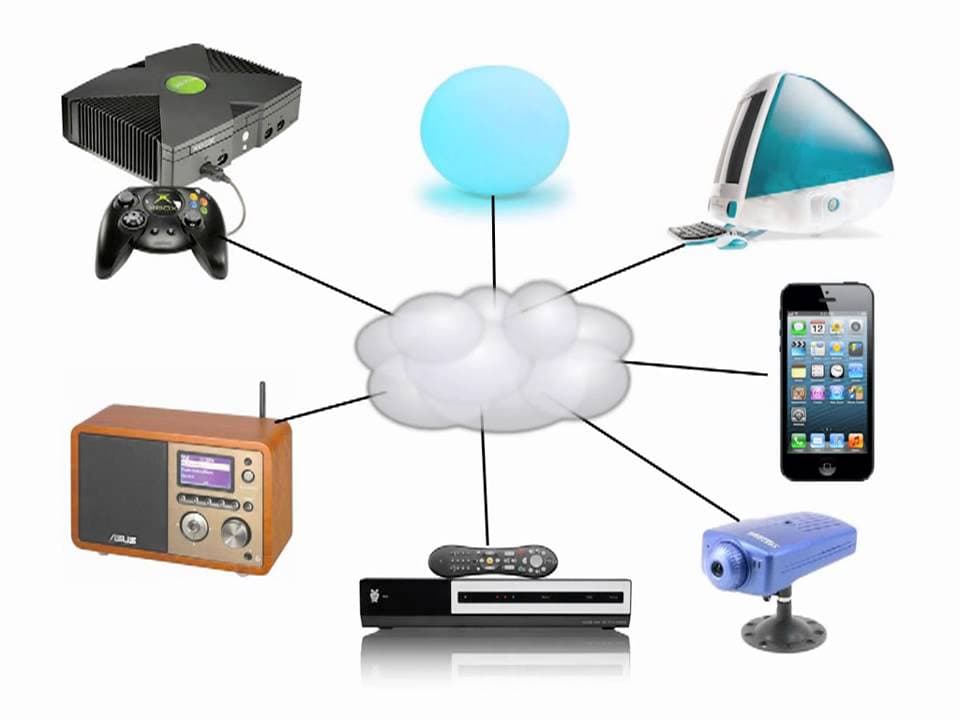
- Traditional networks were centralized and specialized, requiring permission for new devices, unlike the decentralized and unspecialized internet.
- The internet's decentralized nature allows for various devices to connect without needing permission, fostering innovation.
- End-to-end principle enables innovations like email, the World Wide Web, and Twitter to spread without needing network owner approval.
- Internet Service Providers (ISPs) sometimes attempt to manage resources by reintroducing intelligence into the network, violating net neutrality.
- Some argue for legal codification of net neutrality to prevent ISPs from blocking competing technologies.
- Opponents of net neutrality regulation cite economic checks and potential benefits of non-neutral arrangements.
- The debate on net neutrality involves balancing innovation freedom with resource management by ISPs.
Install to Summarize YouTube Videos and Get Transcripts
Explore YouTube Video Summarizer or Get YouTube Transcript Extractor
Questions & Answers
Q: What is the end-to-end principle?
The end-to-end principle is a concept where intelligence is located at the ends of a network, rather than in the network itself. This means that the network is neutral and only relays data without regard to its type, allowing for a decentralized and unspecialized internet. This principle fosters innovation by enabling new devices and technologies to connect without needing permission from network operators.
Q: How do traditional networks differ from the internet?
Traditional networks, like telephone and cable networks, were centralized and specialized, meaning they required permission for new devices and were dedicated to specific media types. In contrast, the internet is decentralized and unspecialized, allowing a variety of devices to connect without permission and supporting multiple types of data transmission, fostering greater innovation and flexibility.
Q: Why is net neutrality important for innovation?
Net neutrality is crucial for innovation because it allows devices and technologies to connect to the internet without needing permission from network operators. This open access enables innovators to develop and deploy new technologies freely, as seen with the emergence of email, the World Wide Web, and Twitter, which all spread rapidly without requiring network owner approval.
Q: How do ISPs sometimes violate net neutrality?
ISPs sometimes violate net neutrality by reintroducing intelligence into the network to manage resources more effectively. This can involve discriminating based on data type or source, which goes against the end-to-end principle. Such actions can hinder innovation by blocking or restricting access to competing technologies or services, contrary to the neutral nature of the internet.
Q: What are the arguments for codifying net neutrality into law?
Proponents of codifying net neutrality into law argue that it would prevent ISPs with market power from blocking or restricting access to competing technologies. By legally enforcing net neutrality, innovators would be protected from having their technologies hindered by ISPs, ensuring an open and competitive environment that fosters innovation and consumer choice.
Q: What are the arguments against net neutrality regulation?
Opponents of net neutrality regulation argue that the economics of networks naturally check ISP behavior, making formal regulation unnecessary. They also point out potential benefits of non-neutral arrangements, such as more efficient resource management and the ability to prioritize certain types of data, which can lead to improved service quality and innovation in network management.
Q: How does the decentralized nature of the internet benefit users?
The decentralized nature of the internet benefits users by allowing them to connect a wide range of devices without needing permission from network operators. This open access supports a diverse ecosystem of technologies and services, providing users with more choices and fostering a competitive market that drives innovation and improves the overall internet experience.
Q: What impact does net neutrality have on consumer choice?
Net neutrality enhances consumer choice by ensuring that all data is treated equally, preventing ISPs from blocking or throttling access to specific services or applications. This neutrality allows consumers to freely choose from a wide range of technologies and services, fostering competition and innovation, which ultimately leads to better options and improved services for users.
Summary & Key Takeaways
-
Net neutrality is primarily defined by the end-to-end principle, where intelligence resides at the network's ends, and the network remains neutral. This principle allows for a decentralized and unspecialized internet, contrasting with traditional centralized networks that required permission for new device connections.
-
The internet's decentralized nature enables a wide range of devices to connect without needing permission, fostering innovation. This principle has allowed technologies like email, the World Wide Web, and Twitter to emerge and spread without requiring network owner approval.
-
Internet Service Providers (ISPs) sometimes seek to manage resources by reintroducing intelligence into the network, which violates net neutrality. Legal codification of net neutrality is debated to prevent ISPs from blocking competing technologies, with opponents pointing to economic checks and benefits of non-neutral arrangements.
Read in Other Languages (beta)
Share This Summary 📚
Summarize YouTube Videos and Get Video Transcripts with 1-Click
Try YouTube Summary with ChatGPT & Claude or YouTube Transcript Generator
Explore More Summaries from Marginal Revolution University 📚


Summarize YouTube Videos and Get Video Transcripts with 1-Click
Try YouTube Summary with ChatGPT & Claude or YouTube Transcript Generator