Stanford Psychiatrist Reveals How Cognitive Therapy Can Cure Your Depression and Anxiety
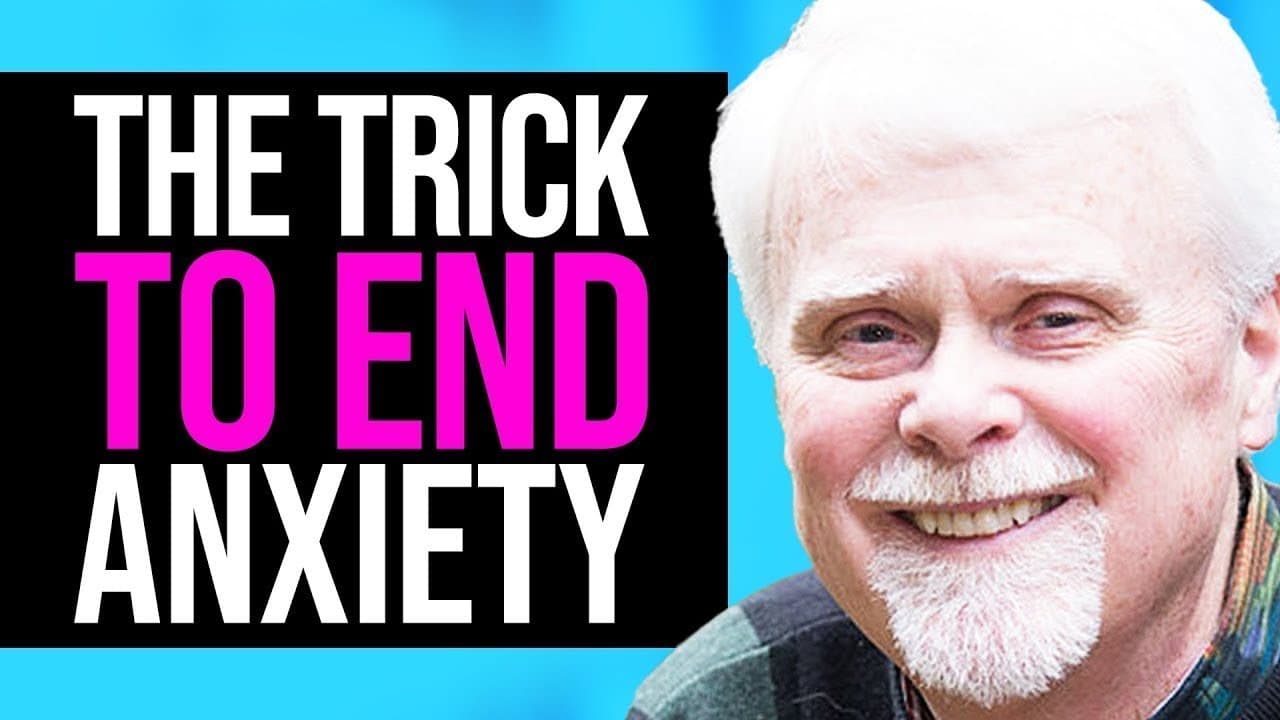
TL;DR
Cognitive Behavioral Therapy revolutionized psychotherapy with its focus on changing negative thought patterns for better mental health outcomes.
Transcript
hey everybody welcome to another episode of impact theory i am here with someone who has a total legend for me this is david burns md david welcome to the show thanks for having me on i'm psyched dude i am so excited i encountered your um book feeling good about um 18 months ago and have since that point been desperate to get you on the show i thin... Read More
Key Insights
- 💭 Cognitive Behavioral Therapy addresses mood disorders by changing distorted thought patterns for better mental health outcomes.
- 💭 David Burns' work on CBT revolutionized psychotherapy by emphasizing the connection between thoughts and emotions, empowering individuals to combat negative thinking.
- 🥅 Resistance in therapy, whether outcome or process-related, can hinder progress and must be addressed to achieve therapeutic goals effectively.
Install to Summarize YouTube Videos and Get Transcripts
Explore YouTube Video Summarizer or Get YouTube Transcript Extractor
Questions & Answers
Q: What is Cognitive Behavioral Therapy (CBT) and why is it effective for mood disorders?
CBT focuses on changing negative thought patterns to improve mental health outcomes, as the way we interpret events affects our moods significantly.
Q: How did David Burns revolutionize psychotherapy with the book "Feeling Good" in 1980?
David Burns introduced CBT concepts inspired by Stoic philosophy, showing that distorted thoughts trigger depression and anxiety, paving the way for new therapeutic approaches.
Q: What does the concept of resistance in therapy refer to?
Resistance in therapy can manifest as outcome resistance, where patients subconsciously resist positive outcomes, and process resistance, where reluctance to engage in necessary therapeutic processes hinders progress.
Q: How does CBT address exposure therapy to confront fears in anxiety disorders?
CBT utilizes exposure techniques to help anxious patients gradually face their fears, challenging avoidance behaviors, and promoting resilience through gradual exposure to anxiety-inducing stimuli.
Summary & Key Takeaways
-
Cognitive Behavioral Therapy (CBT) is effective for anxiety, depression, and mood disorders by changing negative thought patterns.
-
David Burns introduced CBT concepts reflecting on Stoic philosopher's teachings and revolutionized psychotherapy with "Feeling Good" in 1980.
-
The new book, "Feeling Great," builds on traditional CBT, highlighting techniques to combat resistance and achieve rapid recovery.
Read in Other Languages (beta)
Share This Summary 📚
Summarize YouTube Videos and Get Video Transcripts with 1-Click
Try YouTube Summary with ChatGPT & Claude or YouTube Transcript Generator
Explore More Summaries from Full Episodes of Impact Theory 📚




Summarize YouTube Videos and Get Video Transcripts with 1-Click
Try YouTube Summary with ChatGPT & Claude or YouTube Transcript Generator