Why Are Women Underrepresented in Animation Leadership?
TL;DR
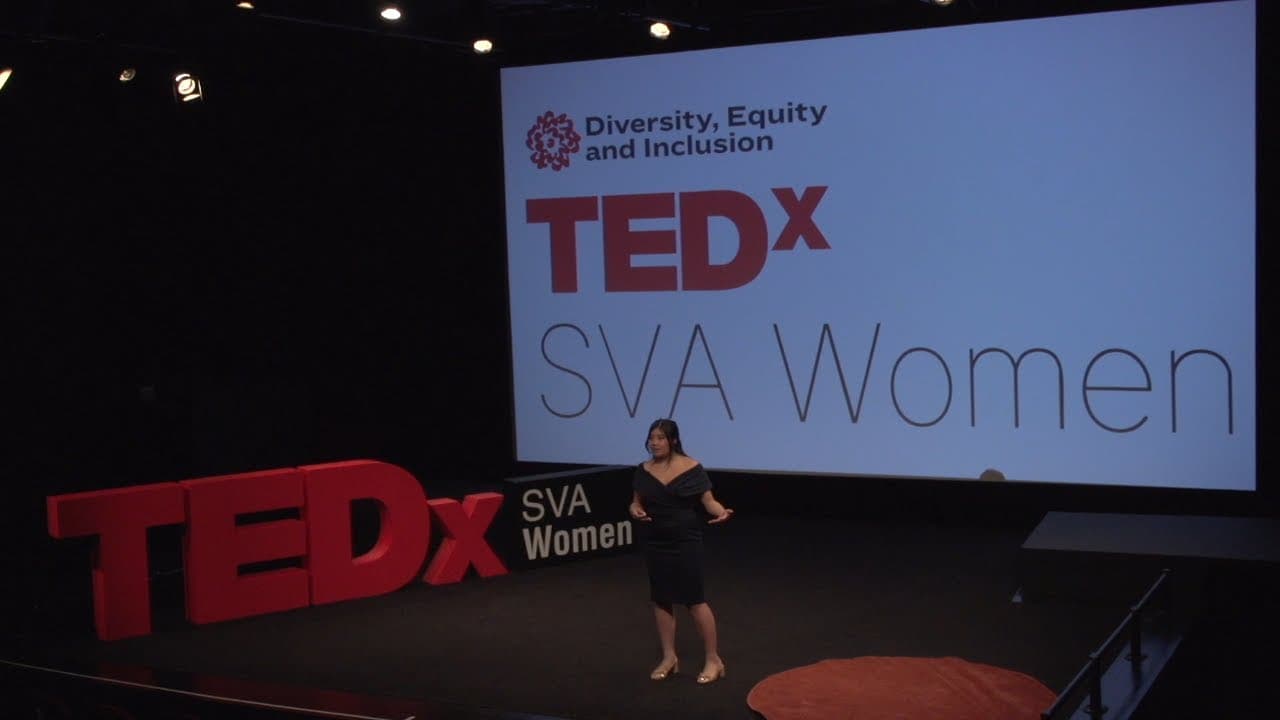
Women remain underrepresented in animation leadership due to historical biases that relegated them to non-creative roles, like inking and painting. Despite recent improvements in female representation on-screen, only 3% of top animated films from 2007 to 2018 were directed by women, with even fewer being women of color. Increasing female leadership is crucial to diversify storytelling and inspire future generations in the industry.
Transcript
animation animation is a recent industry that has emerged over the past century in 1939 Lillian Freriedman Aster eventually named one of the first female animators applied to animate at Disney animation studios after accumulating nearly a decade's worth of experience creating cartoons she worked on iconic films like Betty Boop and Popeye and helped... Read More
Key Insights
- 😉 Historically, women have been marginalized in animation, restricted to inking and painting roles, limiting their creative contributions.
- 👫 Women currently hold only a small fraction of director roles in animated films, highlighting significant gender disparities within the industry.
- 🥺 The representation of female leads in animation is improving, signifying a shift in how stories are told, albeit still needing more progress for behind-the-scenes roles.
- 🕵️♂️ Gender biases within the animation industry stem from historical practices that have perpetuated a male-dominated culture.
- 🧔♀️ Finding mentors and supportive networks is essential for women seeking to advance their careers in animation.
- 🧔♀️ The animation industry must evolve its culture and practices to nurture women's leadership and creative aspirations.
- 🧔♀️ The increase in women studying animation shows potential for change, yet the transition to professional roles remains challenging.
Install to Summarize YouTube Videos and Get Transcripts
Explore YouTube Video Summarizer or Get YouTube Transcript Extractor
Questions & Answers
Q: What was Lillian Freriedman Aster's contribution to early animation?
Lillian Freriedman Aster was one of the first female animators with nearly ten years of experience working on iconic projects, including Betty Boop and Popeye. Despite her contributions, she was rejected by Disney due to early gender biases, illustrating the systemic barriers faced by women in the animation industry.
Q: How have women’s roles in animation evolved since the early 20th century?
Initially, women were confined to inking and painting roles, seen as non-creative tasks. Over the decades, many women have transitioned into creative positions such as story artists and directors, yet significant barriers and gender imbalances remain prevalent within the industry structure.
Q: What do recent statistics indicate about women in animation leadership roles?
Recent data shows that only 3% of 120 top animated films from 2007 to 2018 were directed by women, with an even smaller 1% directed by women of color. In stark contrast, women held 39% of animated film producer roles, indicating varying levels of representation across different positions.
Q: What advice is commonly shared among women in animation panels?
A recurring message is the importance of women uplifting each other while also preparing to navigate potentially hostile work environments. There’s a call for women to not only claim leadership roles but also to support one another in overcoming long-standing industry biases and challenges.
Q: Why do women tend to leave the animation industry, and what impact does this have?
Women often leave due to unwelcoming work environments and lack of mentorship or networking opportunities. This exodus perpetuates a cycle where fewer women remain to support and mentor new entrants, contributing to ongoing gender disparities in leadership and creative roles within the industry.
Q: What is the significance of representation in storytelling?
Representation matters significantly as it influences who gets to tell stories. Diverse creative teams enrich narratives, bringing varying perspectives that enhance authenticity and depth. This representation is crucial for addressing societal issues and fostering inclusive storytelling in the animation industry.
Q: How can young women aspiring to work in animation cultivate their careers?
Young women should establish strong networks, seek mentors, and actively pursue opportunities to collaborate with peers. Engaging in student clubs and industry panels can provide support, amplify voices, and create pathways for women to advance in leadership roles within animation.
Q: What potential actions can the animation industry take to improve gender equity?
The industry can implement mentorship programs, promote inclusive hiring practices, and foster environments that value diverse voices. By addressing systemic barriers and ensuring equitable opportunities, the animation community can encourage more women to take on creative leadership roles.
Summary & Key Takeaways
-
The animation industry has historically marginalized women, relegating them to roles like inking and painting, rather than creative positions, until recently.
-
Statistical analysis reveals that only a small percentage of animated films from 2007 to 2018 were directed by women, particularly women of color, highlighting ongoing gender disparities.
-
A call to action emphasizes the importance of female representation in leadership roles to enrich storytelling and empower future generations in the animation industry.
Read in Other Languages (beta)
Share This Summary 📚
Summarize YouTube Videos and Get Video Transcripts with 1-Click
Try YouTube Summary with ChatGPT & Claude or YouTube Transcript Generator
Explore More Summaries from TEDx Talks 📚
Summarize YouTube Videos and Get Video Transcripts with 1-Click
Try YouTube Summary with ChatGPT & Claude or YouTube Transcript Generator