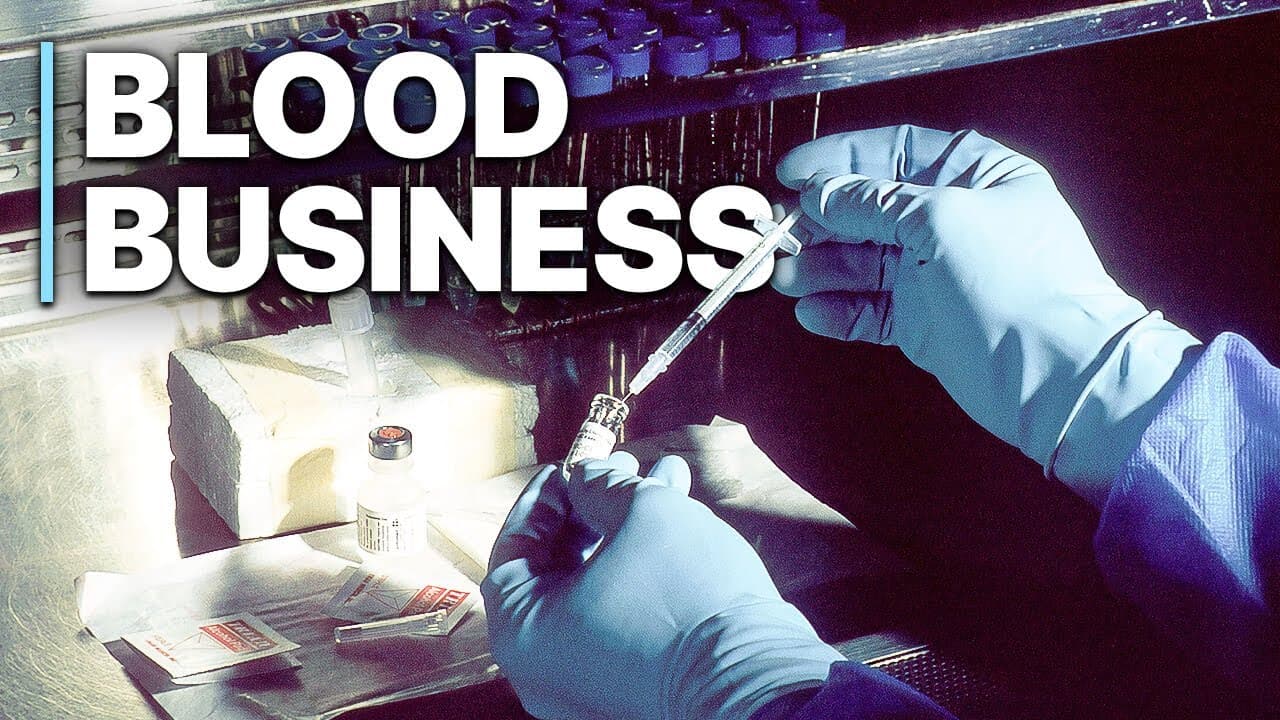
Blood Business | New Cannibalism | Plasma Industry | Investigative Documentary
TL;DR
The blood trade, an industry worth billions of dollars, involves the sale of blood and plasma to pharmaceutical companies for the production of expensive drugs.
Transcript
(instrumental music) - [Narrator] Welcome to the wonderful world of blood donation. Around the world, giving blood is seen as a symbol of generosity, one of the noblest acts in modern society. But the reality is different altogether. - Health care is the perfect moneymaking industry. Our willingness to pay for available therapies basically, especia... Read More
Key Insights
- 🩸 The blood trade is a multi-billion dollar industry that relies on the sale of blood and plasma to pharmaceutical companies for the production of expensive and profitable drugs.
- 😷 Donated blood is primarily sold to private companies, rather than used for transfusions or other direct medical purposes.
- 🌐 The plasma industry, controlled by a few companies, dominates the global market and is worth $17 billion annually.
- ✳️ Compensation for blood and plasma donation, although seen as a form of assistance for the poor, may put donors at risk and can attract high-risk populations.
- 🤨 Lack of transparency in the blood trade raises concerns about the quality and safety of plasma-derived drugs.
- 🤳 Countries with self-sufficient blood systems tend to have safer and better-accessible healthcare.
- 🥺 The USA is the main exporter of human plasma, with 70% of the world market, leading to an increasing dependence on cheap raw material for other countries.
Install to Summarize YouTube Videos and Get Transcripts
Explore YouTube Video Summarizer or Get YouTube Transcript Extractor
Questions & Answers
Q: How is blood and plasma used in the pharmaceutical industry?
Plasma, the liquid part of blood, contains proteins that are used to make valuable drugs. The pharmaceutical industry collects, freezes, and mixes thousands of liters of donated plasma to transform it into drugs.
Q: What are the risks and concerns of the blood trade?
Paid donations attract a high-risk population, including people with secrets to hide. This can lead to lying about health conditions, increasing the chances of contamination. Additionally, frequent plasma donation can have adverse health effects, although the long-term effects are not well-studied.
Q: Is there transparency in the blood trade?
The industry lacks transparency, with companies keeping the origins of their plasma a secret. This raises concerns about the quality and safety of plasma-derived drugs. Donors and patients have limited knowledge about where the blood in their drugs comes from.
Q: How does the blood trade affect the poorest individuals?
In countries like the USA, where donation compensation is legal, plasma donation becomes a source of income for the poorest individuals. This can be their last source of income and financial support, leading them to donate even when it may negatively impact their health.
Key Insights:
- The blood trade is a multi-billion dollar industry that relies on the sale of blood and plasma to pharmaceutical companies for the production of expensive and profitable drugs.
- Donated blood is primarily sold to private companies, rather than used for transfusions or other direct medical purposes.
- The plasma industry, controlled by a few companies, dominates the global market and is worth $17 billion annually.
- Compensation for blood and plasma donation, although seen as a form of assistance for the poor, may put donors at risk and can attract high-risk populations.
- Lack of transparency in the blood trade raises concerns about the quality and safety of plasma-derived drugs.
- Countries with self-sufficient blood systems tend to have safer and better-accessible healthcare.
- The USA is the main exporter of human plasma, with 70% of the world market, leading to an increasing dependence on cheap raw material for other countries.
- Octapharma, a Swiss company involved in the blood trade, has faced allegations of corruption and scandal in other countries, raising further questions about their practices and transparency.
Summary & Key Takeaways
-
Blood and plasma, especially plasma which is more expensive than oil, are in high demand for the production of profitable drugs.
-
Donated blood, while seen as a symbol of generosity, is primarily sold to private companies rather than used for transfusions.
-
The plasma industry, dominated by a few international companies, is worth $17 billion annually, with the USA being the main exporter.
Read in Other Languages (beta)
Share This Summary 📚
Summarize YouTube Videos and Get Video Transcripts with 1-Click
Try YouTube Summary with ChatGPT & Claude or YouTube Transcript Generator
Explore More Summaries from Moconomy 📚






Summarize YouTube Videos and Get Video Transcripts with 1-Click
Try YouTube Summary with ChatGPT & Claude or YouTube Transcript Generator