“Made in Prison” Is the New “Made in China” | Liza Jessie Peterson | Big Think
TL;DR
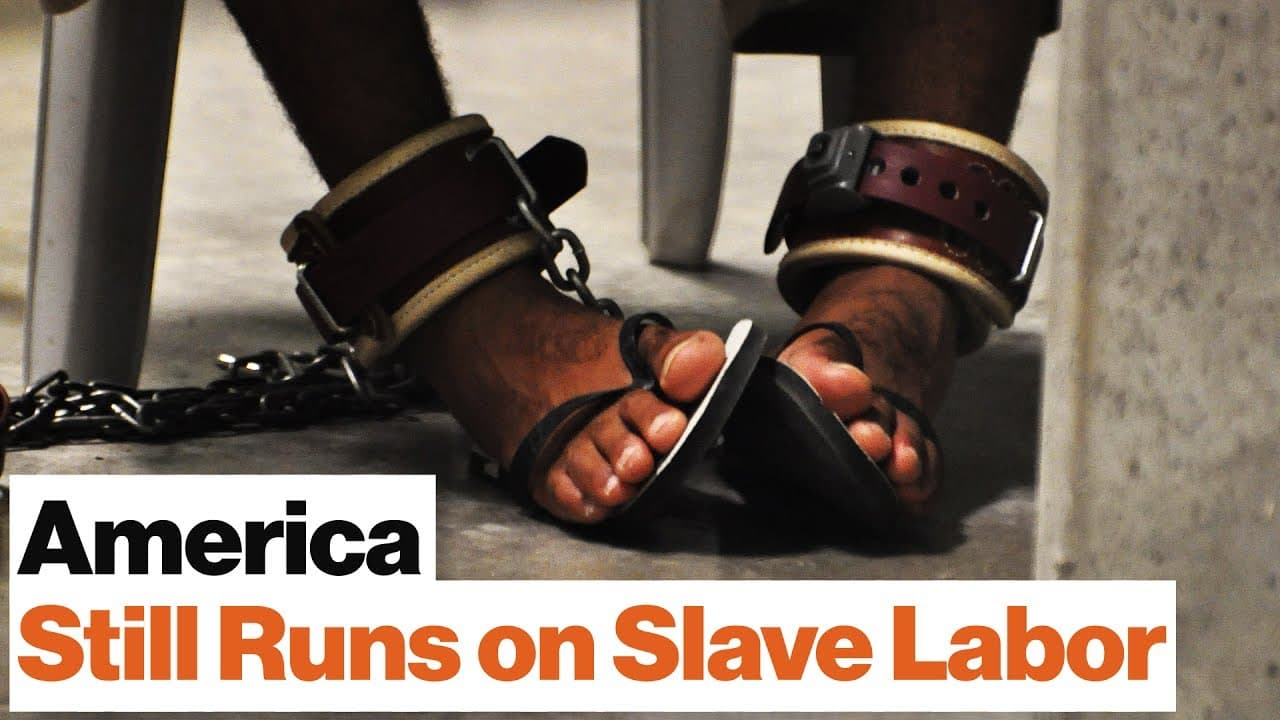
Mass incarceration profits corporations through slave labor, perpetuating a human rights crisis.
Transcript
Why should people be concerned with the issue of mass incarceration? People should be concerned with the issue of mass incarceration because it is a human rights crisis that is happening right in front of our face, and it's being cloaked with crime and punishment. So “These people are bad people, they've committed a crime so we can ignore them, we ... Read More
Key Insights
- 💆 Mass incarceration dehumanizes individuals by treating them as disposable criminals.
- 👻 The 13th amendment loophole allows for the continuation of slave labor in prisons.
- 🏍️ Corporations profit immensely from inmate labor, perpetuating a cycle of exploitation.
- 💆 Historical parallels between slavery and modern mass incarceration reveal systemic injustices.
- 👨⚖️ Activism against mass incarceration mirrors past abolitionist movements for justice.
- ⛽ The prison industrial complex fuels capitalism through cheap labor of incarcerated individuals.
- 🗯️ Emphasizing human rights is crucial in addressing the systemic issues of mass incarceration.
Install to Summarize YouTube Videos and Get Transcripts
Explore YouTube Video Summarizer or Get YouTube Transcript Extractor
Questions & Answers
Q: Why should people be concerned about mass incarceration?
People should be concerned as it devalues human lives, allows for exploitative labor practices, and perpetuates inequalities within the justice system.
Q: How do corporations profit from mass incarceration?
Corporations benefit by employing inmates at extremely low wages to produce goods and services, maintaining a cycle of profit through cheap labor.
Q: What parallels exist between modern mass incarceration and historical slavery?
Both systems exploit marginalized populations for economic gain, demonstrating a continuity in using disadvantaged individuals for profit.
Q: Can activism against mass incarceration lead to tangible change?
Yes, historical examples of abolitionists fighting against slavery demonstrate that societal awareness and activism can drive change in unjust systems.
Summary & Key Takeaways
-
Mass incarceration devalues human beings, subjecting them to slave labor due to the 13th amendment.
-
Corporations profit from inmate labor, producing everyday goods and services at exploitative wages.
-
The history of slavery in America intertwines with modern mass incarceration, creating a capitalist incentive for hyper-criminalization.
Read in Other Languages (beta)
Share This Summary 📚
Summarize YouTube Videos and Get Video Transcripts with 1-Click
Try YouTube Summary with ChatGPT & Claude or YouTube Transcript Generator
Explore More Summaries from Big Think 📚




Summarize YouTube Videos and Get Video Transcripts with 1-Click
Try YouTube Summary with ChatGPT & Claude or YouTube Transcript Generator