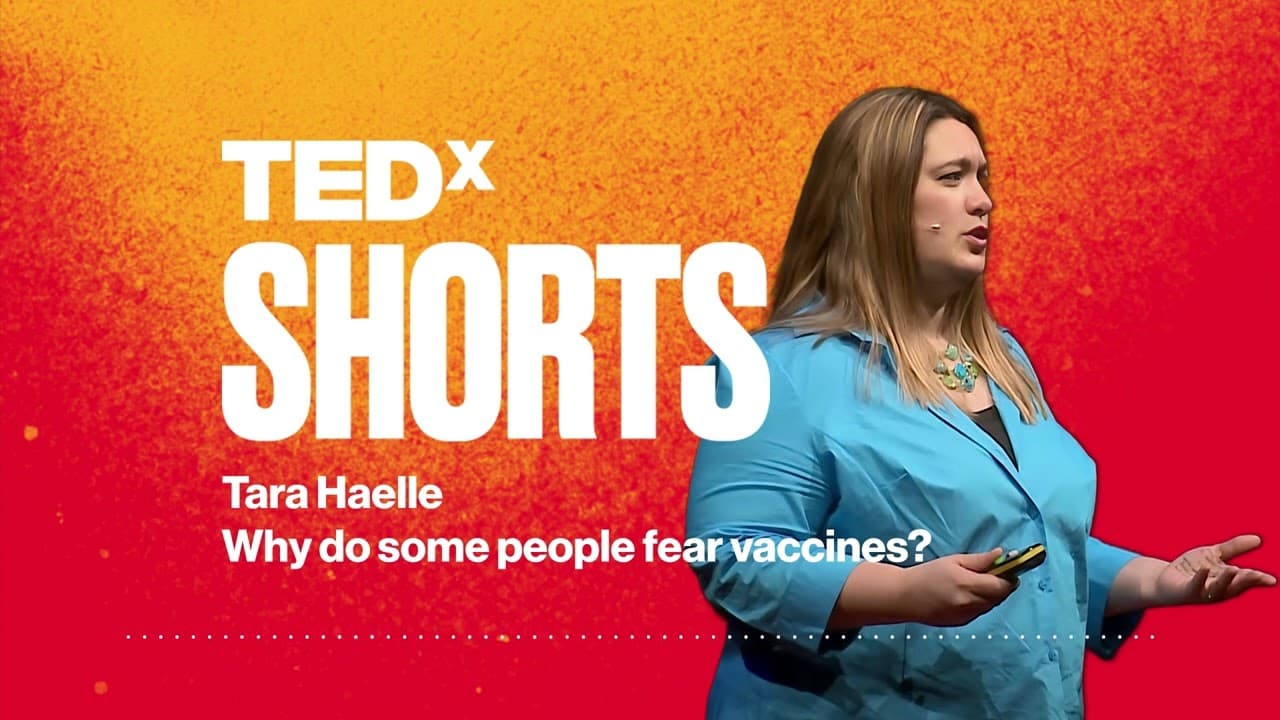
Why do some people fear vaccines?
TL;DR
Vaccine hesitancy is a major threat to public health, resulting from fears and misinformation, and can only be addressed through information, empathy, and engagement.
Transcript
a quick new idea daily from the world's greatest tedex tots I'm your host atosa Leoni and this is tedex shorts from the covid-19 vaccine to the common flu shot what underlies the fear and hesitancy that many people have towards vaccines Tara Haley is a freelance science and multi media journalist with by lines at Forbes and PR Scientific American a... Read More
Key Insights
- 😨 Vaccine hesitancy is not limited to conspiracy theorists, but also includes fence-sitters who lack scientific understanding or have fears.
- 😨 The success of vaccines in reducing disease has made people fear the vaccines more than the actual diseases.
- 🥺 Availability bias leads people to focus on vaccine side effect stories rather than the overwhelming evidence of vaccine safety.
- 👨🔬 Addressing vaccine hesitancy requires complex solutions and ongoing research into vaccine risks.
- 👂 Engaging and listening to vaccine-hesitant individuals with empathy and thoughtful communication is crucial.
- 🖐️ Social influence plays a significant role, as adherence to social norms can influence vaccine decision-making.
- 😨 Public health messages should address specific fears of different communities to build vaccine confidence.
Install to Summarize YouTube Videos and Get Transcripts
Explore YouTube Video Summarizer or Get YouTube Transcript Extractor
Questions & Answers
Q: What factors contribute to vaccine hesitancy?
Vaccine hesitancy is fueled by fears, lack of understanding, availability bias, and emotional reactions. People seek patterns and can easily blame vaccines for unrelated conditions.
Q: How does availability bias affect vaccine hesitancy?
Availability bias makes people focus on vivid stories of vaccine injuries or misinformation, leading them to fear vaccines more than the diseases themselves.
Q: How can vaccine hesitancy be addressed effectively?
Engaging in thoughtful communication, empathy, and understanding rather than mocking or dismissing vaccine fears can help address hesitancy. Ongoing research into vaccine risks and reassurance of vaccine safety are also important.
Q: What role does social influence play in vaccine hesitancy?
Social norms and the behavior of those around us influence vaccine decisions. When everyone around us is vaccinating, we are more likely to follow suit.
Summary & Key Takeaways
-
Vaccine hesitancy is a growing concern that threatens public health, as people are reluctant to get vaccinated due to fears and lack of understanding.
-
Historical outbreaks like polio and smallpox were terrifying, but the arrival of vaccines brought relief and eradicated deadly diseases.
-
Availability bias plays a role in vaccine hesitancy, as people fear vaccine side effects more than the diseases themselves.
Read in Other Languages (beta)
Share This Summary 📚
Summarize YouTube Videos and Get Video Transcripts with 1-Click
Try YouTube Summary with ChatGPT & Claude or YouTube Transcript Generator
Explore More Summaries from TEDx Talks 📚





Summarize YouTube Videos and Get Video Transcripts with 1-Click
Try YouTube Summary with ChatGPT & Claude or YouTube Transcript Generator