The Japanese Food You've Never Tried | Trash Taste #17
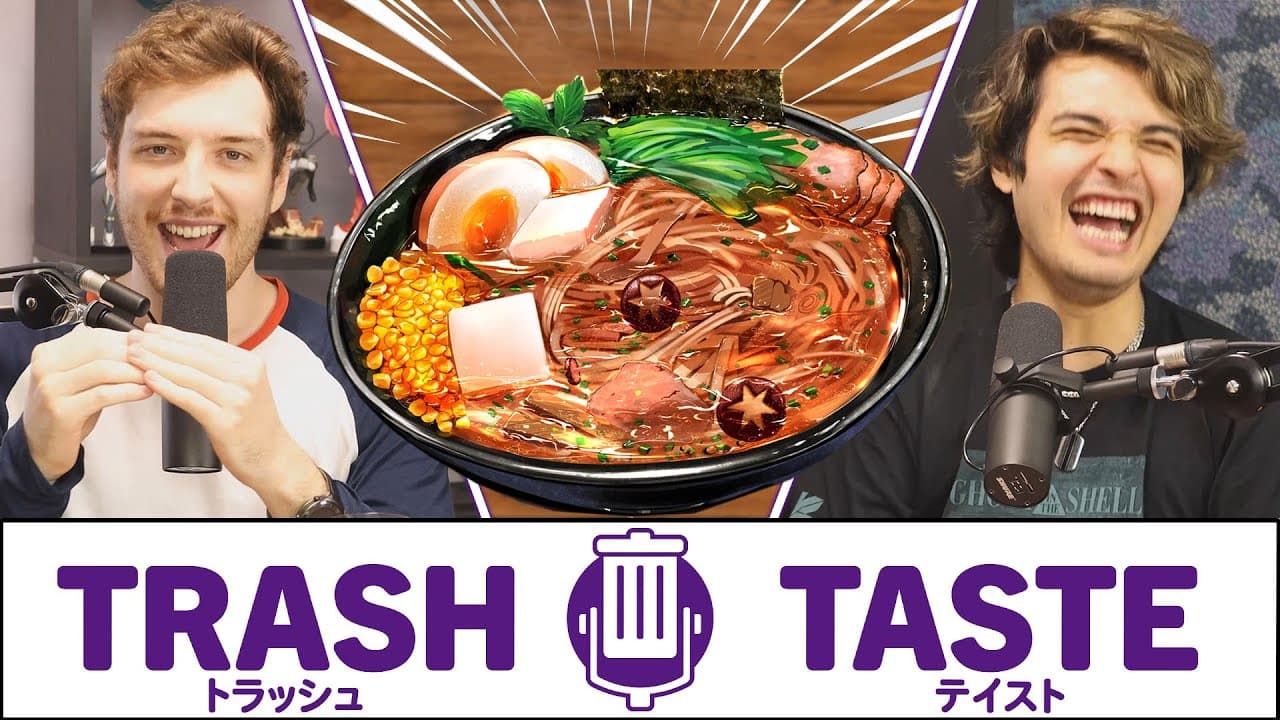
TL;DR
Exploring the diverse food culture in Japan, including its unique dishes and culinary experiences.
Transcript
- You good? You good? You good? You good? - Just doing my hair. - All right, we're just gonna wait here and just let Connor do his hair, I guess. - I can't even see what I'm doing, I'm just bullshitting. (gentle electronic jingle) - Hello, and welcome to another episode of "Trash Taste." I am your host for today, Gigguk, and with me today, I do not... Read More
Key Insights
- 👹 The podcast highlights the depth of Japanese culinary culture, emphasizing dishes like tsukemen and unagi that showcase quality craftsmanship.
- 🍳 Dining experiences, such as at yakiniku establishments, emphasize social interactions and shared communal cooking.
- 😋 Participants discuss cultural differences in food preferences, particularly the challenge of switching to rice as a staple.
- 🏪 There is a debate around convenience store food quality, with Japan often outperforming Western counterparts in terms of taste and freshness.
- 👹 A5 beef is regarded as a luxury, representing premium quality and flavor in Japanese cuisine.
- 😋 The conversation encompasses wider cultural attitudes toward food waste and respect for ingredients, which are prevalent in Japanese society.
- 👹 Discoveries of new dishes encourage an appreciation for the diversity of flavors in Japanese cuisine beyond the common stereotypical offerings.
Install to Summarize YouTube Videos and Get Transcripts
Explore YouTube Video Summarizer or Get YouTube Transcript Extractor
Questions & Answers
Q: What is tsukemen and why is it significant in Japanese cuisine?
Tsukemen is a style of dipping noodles that separates the noodles from the thicker, more concentrated broth, enhancing the flavor experience. It is significant as it showcases the meticulous preparation and quality of ingredients that are hallmarks of Japanese food culture.
Q: How does the perception of Japanese food differ for those visiting from Western countries?
Many Westerners initially perceive Japanese food to be limited to sushi and ramen; however, when exposed to a broader variety, including dishes like unagi and okonomiyaki, they often realize the depth and quality of Japanese culinary offerings.
Q: What are the social dynamics associated with eating at a Japanese yakiniku restaurant?
Dining at a yakiniku restaurant involves cooking your own meat at the table, which can create social pressure regarding who cooks and how much each person eats. It's also a communal activity that encourages interaction and sharing among diners.
Q: Why do some people find it challenging to adapt to eating rice at every meal in Japan?
Individuals accustomed to diverse Western diets may struggle with the prominent role of rice in Japanese cuisine, which can lead to feelings of monotony. However, many adjust over time, learning to appreciate rice as a versatile staple.
Q: What is the cultural attitude toward food waste in Japan?
Japanese culture places a strong emphasis on minimizing food waste, often manifesting in practices such as leaving a final piece of communal food uneaten to signify respect for the meal and its ingredients.
Q: How does the quality of convenience store food in Japan compare to that in Western countries?
Convenience store food in Japan, especially items like onigiri or bento boxes, is often fresher and considers the quality of ingredients, making it a popular and dependable option for meals, unlike many poorly prepared options found in Western convenience stores.
Q: What is the appeal of A5 beef in Japanese cuisine?
A5 beef is highly sought after for its rich flavor and tenderness, owing to the specific breeding and feeding practices in Japan. It represents the pinnacle of quality in beef, making it a sought-after option for special meals.
Q: What are some common misconceptions people have about Japanese dishes?
Many assume that dishes like katsu curry or bread are representative of the entirety of Japanese cuisine. However, the cuisine is far more diverse, with lesser-known dishes like tsukemen, unagi, and various noodle styles offering rich culinary experiences.
Summary & Key Takeaways
-
The podcast discusses various aspects of Japanese cuisine and its cultural significance, highlighting dishes like tsukemen and unagi, emphasizing freshness and quality.
-
Participants express their personal preferences and discoveries regarding food in Japan, contrasting it with Western food experiences and the challenges of cooking and dining out.
-
The conversation also touches on the community aspect of shared meals, including experiences at restaurants and the stress of food choices during dining.
Read in Other Languages (beta)
Share This Summary 📚
Summarize YouTube Videos and Get Video Transcripts with 1-Click
Try YouTube Summary with ChatGPT & Claude or YouTube Transcript Generator
Explore More Summaries from Trash Taste 📚






Summarize YouTube Videos and Get Video Transcripts with 1-Click
Try YouTube Summary with ChatGPT & Claude or YouTube Transcript Generator