How to Correctly Pronounce 'Was' and 'Were' in English
TL;DR
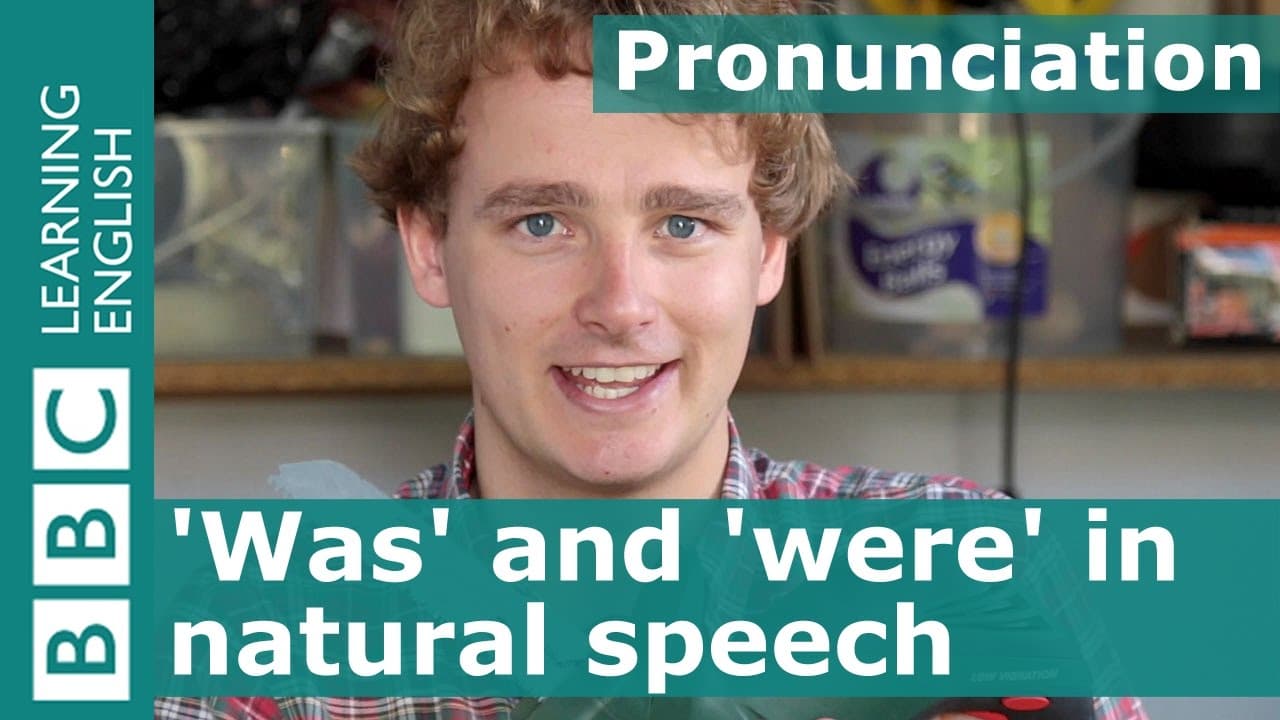
'Was' and 'were' in English are pronounced as /wəz/ and /wə/ when unstressed, changing from their stronger forms. Native speakers often use these weak forms in casual conversation, so practicing listen-and-repeat exercises can help learners emulate natural speech patterns. Engage with examples to master their pronunciation effectively.
Transcript
Hi. I'm Tim and this is my Pronunciation Workshop. Here, I'm gonna show you how English is really spoken. Come on, let's go inside. Oh dear, excuse me. I'm a bit tired: I was out late last night, with the lads. I know, yeah, we didn't get back until 9.30. In the evening. It was a wild night. I know, I know, I am a party animal. Anyway, while I get ... Read More
Key Insights
- Tim's Pronunciation Workshop focuses on real spoken English, emphasizing how native speakers pronounce 'was' and 'were' in everyday conversations.
- When 'was' is unstressed, its vowel sound changes to a schwa, /ə/, resulting in the pronunciation /wəz/. Similarly, 'were' becomes /wə/.
- The video includes examples of native speakers using 'was' in various contexts, highlighting the natural, unstressed pronunciation in casual speech.
- Tim provides a listen-and-repeat exercise to help viewers practice the weak forms of 'was' and 'were', reinforcing the lesson through active participation.
- The workshop aims to demystify the pronunciation of common words, making it easier for learners to understand and emulate native speakers.
- Tim incorporates humor and personal anecdotes to engage viewers and make the learning experience more relatable and enjoyable.
- The video encourages viewers to visit the BBC Learning English website for further resources on pronunciation and other aspects of the English language.
- Tim concludes the session with a playful demonstration involving the word 'was', showcasing his lighthearted approach to teaching pronunciation.
Install to Summarize YouTube Videos and Get Transcripts
Explore YouTube Video Summarizer or Get YouTube Transcript Extractor
Questions & Answers
Q: What is the main focus of Tim's Pronunciation Workshop?
The main focus of Tim's Pronunciation Workshop is to teach how native English speakers pronounce the words 'was' and 'were', particularly in their weak forms. The workshop emphasizes the natural, unstressed pronunciation that occurs in everyday speech, helping learners understand and replicate these patterns.
Q: How does the pronunciation of 'was' change when unstressed?
When 'was' is unstressed, its vowel sound changes to a schwa, resulting in the pronunciation /wəz/. This change reflects the natural, casual way native speakers often pronounce 'was' in conversation, making it important for learners to recognize and practice this form to improve their listening and speaking skills.
Q: What exercise does Tim include to help viewers practice pronunciation?
Tim includes a listen-and-repeat exercise in the workshop to help viewers practice the weak forms of 'was' and 'were'. This exercise involves listening to examples of these words used in sentences and then repeating them, allowing learners to actively engage with the material and improve their pronunciation through practice.
Q: Why does Tim use humor in his Pronunciation Workshop?
Tim uses humor in his Pronunciation Workshop to make the learning experience more engaging and relatable for viewers. By incorporating lighthearted anecdotes and playful demonstrations, he captures the audience's attention and creates a positive, enjoyable atmosphere, which can enhance retention and motivation to learn.
Q: What resources does Tim recommend for further learning?
Tim recommends visiting the BBC Learning English website for further resources on pronunciation and other aspects of the English language. The website offers a variety of materials, including videos, exercises, and articles, to support learners in improving their English skills comprehensively and at their own pace.
Q: How does the video illustrate the use of 'was' in conversation?
The video illustrates the use of 'was' in conversation by including examples from native speakers describing their activities from the previous night. These examples demonstrate how 'was' is naturally pronounced in unstressed positions, providing learners with real-life contexts to better understand and emulate the pronunciation.
Q: What is the significance of practicing weak forms in English pronunciation?
Practicing weak forms in English pronunciation is significant because it helps learners understand how words are commonly pronounced in natural speech. Recognizing and using weak forms, like the unstressed versions of 'was' and 'were', improves listening comprehension and speaking fluency, making interactions with native speakers more effective and authentic.
Q: How does Tim conclude the Pronunciation Workshop video?
Tim concludes the Pronunciation Workshop video with a playful demonstration involving the word 'was'. He humorously points out that 'was' spelled backwards is 'saw', adding a lighthearted touch to the session. This conclusion reinforces the enjoyable and approachable nature of his teaching style, leaving viewers with a positive impression.
Summary & Key Takeaways
-
Tim's Pronunciation Workshop explores how native English speakers pronounce 'was' and 'were', focusing on their weak forms. The vowel sound in 'was' changes to a schwa, resulting in /wəz/, while 'were' becomes /wə/. The video includes examples and exercises for practice, emphasizing natural speech patterns.
-
Viewers are encouraged to listen and repeat examples of 'was' and 'were' in various contexts, helping them understand and replicate the unstressed pronunciation. Tim uses humor and personal stories to make the learning process engaging and relatable, enhancing the overall educational experience.
-
The workshop aims to demystify the pronunciation of common words, making it easier for learners to emulate native speakers. Tim invites viewers to explore more resources on the BBC Learning English website, ensuring they have access to comprehensive materials for improving their English pronunciation skills.
Read in Other Languages (beta)
Share This Summary 📚
Summarize YouTube Videos and Get Video Transcripts with 1-Click
Try YouTube Summary with ChatGPT & Claude or YouTube Transcript Generator
Explore More Summaries from BBC Learning English 📚
Summarize YouTube Videos and Get Video Transcripts with 1-Click
Try YouTube Summary with ChatGPT & Claude or YouTube Transcript Generator