History of Industrial Revolution Documentary
TL;DR
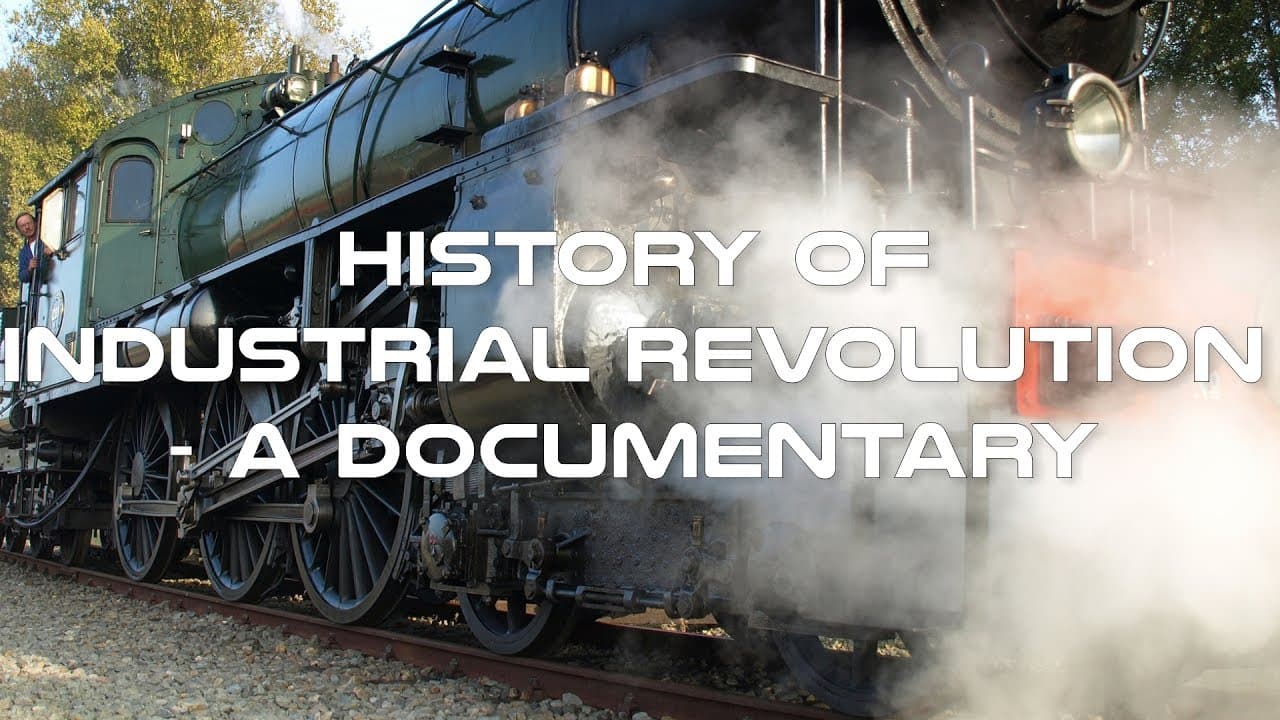
The Industrial Revolution, which took place between 1760 and 1840, transformed manufacturing processes, introduced new technologies like steam power and railways, and had significant social and economic impacts.
Transcript
The Industrial Revolution was the changeover to new industrial processes from somewhere in 1760 to sometime between 1820 and 1840. This evolution comprised of moving from manufacturing goods with hands to machineries, bettered efficacy of water power, manufacturing of new chemicals and producing iron through new ways, usage of steam power, the adva... Read More
Key Insights
- ❓ The Industrial Revolution transformed manufacturing processes, replacing handcrafting with machinery and increasing efficiency.
- 😤 Steam power, iron production, and coal played crucial roles in driving the revolution.
- 🥺 The fabric industry was a leading trade during this period, employing many workers and adopting modern manufacturing methods.
- 😤 Inventions such as steam engines, railroads, and power looms revolutionized transportation and the textile industry.
- 🗯️ The Industrial Revolution had significant social impacts, including urbanization and debates about workers' rights and the distribution of wealth.
- 😘 The standard of living improved over time, although some workers faced poor conditions and low wages.
- 🖐️ The revolution laid the foundation for capitalism and socialism, shaping the modern economy.
Install to Summarize YouTube Videos and Get Transcripts
Explore YouTube Video Summarizer or Get YouTube Transcript Extractor
Questions & Answers
Q: What were the main factors that led to the Industrial Revolution?
The three main factors that drove the Industrial Revolution were steam power, iron production, and the availability of coal. Steam engines were initially used to pump water from mines, but later powered textile production, mining, and many other industries. Iron was essential for building machines, and coal provided the fuel for steam engines and iron production.
Q: How did the Industrial Revolution impact employment?
The fabric industry became a major employer during the Industrial Revolution, as it was the first industry to adopt modern manufacturing methods. The growth of factories and technological advancements led to the creation of new jobs, but also displaced traditional craftspeople. Many laborers faced poor working conditions and low wages.
Q: What were some key inventions of the Industrial Revolution?
The Industrial Revolution saw the invention of steam engines, railroads, steamships, power looms, and machine tools. These inventions revolutionized transportation, manufacturing, and the textile industry. The development of interchangeable parts also paved the way for mass production.
Q: What were the social and economic impacts of the Industrial Revolution?
The Industrial Revolution brought about significant changes in society and the economy. The standard of living improved for many people, although it took time for the benefits to be widely distributed. The revolution also led to urbanization, as people moved from rural areas to cities for employment in factories. It gave rise to capitalism and socialism, with debates about workers' rights and the division of wealth.
Key Insights:
- The Industrial Revolution transformed manufacturing processes, replacing handcrafting with machinery and increasing efficiency.
- Steam power, iron production, and coal played crucial roles in driving the revolution.
- The fabric industry was a leading trade during this period, employing many workers and adopting modern manufacturing methods.
- Inventions such as steam engines, railroads, and power looms revolutionized transportation and the textile industry.
- The Industrial Revolution had significant social impacts, including urbanization and debates about workers' rights and the distribution of wealth.
- The standard of living improved over time, although some workers faced poor conditions and low wages.
- The revolution laid the foundation for capitalism and socialism, shaping the modern economy.
- The effects of the Industrial Revolution continue to be felt today, with its innovations still shaping economies and societies around the world.
Summary & Key Takeaways
-
The Industrial Revolution marked a shift from handmade manufacturing to machinery, with advancements in water power, steam power, and iron production.
-
The revolution began in the United Kingdom and spread to other countries, leading to the growth of the fabric industry and the invention of steam engines, railroads, and steamships.
-
Coal, steam, iron, and the textile industry were key factors in the Industrial Revolution, which had a significant impact on employment, standard of living, and the global economy.
Read in Other Languages (beta)
Share This Summary 📚
Summarize YouTube Videos and Get Video Transcripts with 1-Click
Try YouTube Summary with ChatGPT & Claude or YouTube Transcript Generator