How Can We Reduce Mosquitoes While Greening Cities?
TL;DR
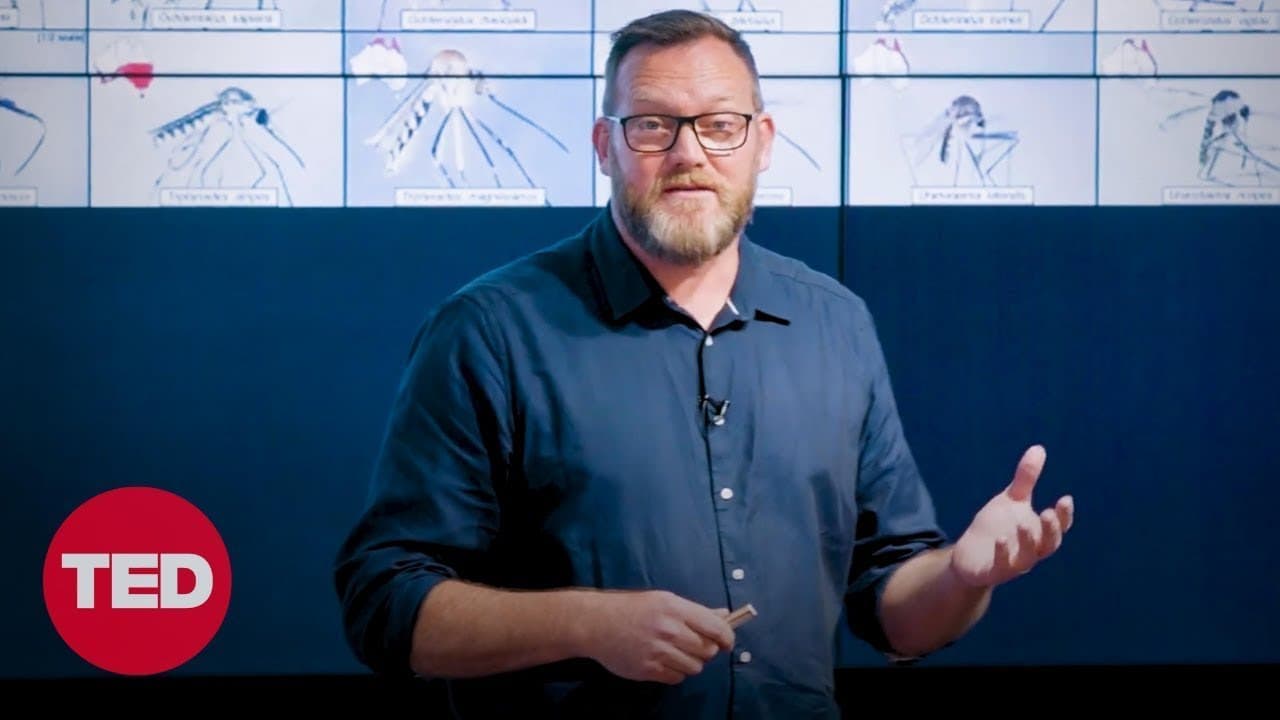
To reduce mosquito populations while greening cities, it’s essential to design urban green spaces that limit standing water where mosquitoes breed. Implementing healthy wetlands with biodiversity, maintaining drains and water tanks, and using insect repellents can significantly lower mosquito risks and prevent disease outbreaks. Understanding mosquito behavior and their relationship with the environment is key to achieving this balance.
Transcript
We're going to have hotter, drier summers in our cities. We're going to have to deal with more frequent and intense heat waves. It's going to have an impact on our health and well-being, but not just us. What about the plants and animals that call our cities home? So what could we do about that? We could green our cities, we could plant trees. The ... Read More
Key Insights
- 🌡️ Hotter, drier summers in cities will lead to more frequent and intense heatwaves, impacting health and well-being for both humans and the plants and animals that inhabit cities.
- 🌳 Planting trees in cities can provide shade and protection from the heat, but it is important to consider the water needs of these plants to ensure their survival.
- 🦟 Mosquitoes are attracted to water, posing a challenge in greening cities while also managing the risk of increased pests and public health risks.
- 🌍 Mosquitoes are the deadliest animals on the planet, causing half a million deaths annually and spreading diseases like malaria and dengue to millions of people worldwide.
- 🌿 There are over 60 different types of mosquitoes found in Western Sydney, each uniquely adapted to different environments, but also adaptable to the water sources created by human activities.
- 💧 Understanding the interaction between mosquitoes and their environment, including climate and water sources, is crucial to prevent mosquito-borne diseases.
- 🏞️ Enhancing the health of wetlands, such as by increasing water flow and biodiversity, may help control mosquito populations and reduce the risk of disease outbreaks.
- 🏡 Rainwater tanks and other water-holding containers in backyards can provide breeding grounds for mosquitoes, including ones that transmit more serious diseases like dengue, so proper maintenance and cleanliness are essential.
- 🔍 Local authorities should consider mosquitoes in urban planning and maintenance, while individuals can take steps to eliminate standing water and use insect repellents and fans to protect themselves from mosquito bites.
Install to Summarize YouTube Videos and Get Transcripts
Explore YouTube Video Summarizer or Get YouTube Transcript Extractor
Questions & Answers
Q: How will climate change affect our cities?
Climate change will lead to hotter, drier summers in our cities, as well as more frequent and intense heat waves. This will have an impact on our health and well-being, as well as the plants and animals that call our cities home.
Q: What can be done to mitigate the impacts of climate change in cities?
One solution is to green our cities by planting trees. The shade provided by trees can protect us from the effects of heat. However, this approach also requires water, which mosquitoes are drawn to. Balancing the need for water in green cities with the risk of increased mosquito populations is a challenge.
Q: Why are mosquitoes a concern in cities?
Mosquitoes are the deadliest animals on the planet. They transmit diseases like malaria and dengue, infecting hundreds of millions of people worldwide. While Australia is lucky to be free of some of the more serious mosquito-borne diseases, local mosquitoes can still spread pathogens like the Ross River virus.
Q: How can we green our cities without creating a mosquito problem?
It is important to understand the role of mosquitoes in our local environment and how they adapt to different sources of water. Creating wetlands that are healthier, with more water flow and biodiversity, can help keep mosquito populations in check. Providing habitats for the animals that eat mosquitoes can also help maintain a balanced ecosystem.
Q: What are the challenges of creating a green city for mosquitoes?
Mosquitoes breed in water, so any structures designed to store and recycle water in our cities could be utilized by mosquitoes. The challenge lies in designing cities in a way that does not inadvertently create opportunities for mosquitoes to thrive and spread disease.
Q: How can rainwater tanks in our backyards contribute to mosquito problems?
Rainwater tanks can be a great source of water for mosquitoes. The Australian backyard mosquito, which is a nuisance but not a serious health threat, can breed in even the smallest volumes of water trapped in water-holding containers. If rainwater tanks become more common, it could potentially create opportunities for mosquitoes that transmit more serious diseases, such as dengue and Zika.
Q: What can local authorities do to reduce mosquito populations in greening cities?
Local authorities can consider mosquitoes when building wetlands, creating wastewater recycling schemes, and regulating the installation of rainwater tanks. It is important to not only design these structures properly but also maintain them to prevent them from degrading and becoming more suitable for mosquitoes.
Q: How can individuals protect themselves from mosquito bites in a greening city?
Individuals can take steps to reduce opportunities for mosquitoes in their own backyards by eliminating or properly covering water-holding containers. Using insect repellents on exposed skin is a safe and effective method to avoid mosquito bites. Additionally, operating a fan in a bedroom can help reduce the presence of mosquitoes at night.
Summary & Key Takeaways
-
Hotter, drier summers in cities will lead to more frequent and intense heat waves, impacting the health and well-being of humans and the plants and animals that call cities home.
-
Greening cities by planting trees can provide shade and protection from the heat, but the water needed for the plants may create a problem with mosquitoes, which thrive in water.
-
The presence of mosquitoes in cities poses health risks as they can transmit diseases, and it is important to design and maintain green spaces in a way that reduces mosquito populations and potential outbreaks.
Read in Other Languages (beta)
Share This Summary 📚
Summarize YouTube Videos and Get Video Transcripts with 1-Click
Try YouTube Summary with ChatGPT & Claude or YouTube Transcript Generator
Explore More Summaries from TED 📚


Summarize YouTube Videos and Get Video Transcripts with 1-Click
Try YouTube Summary with ChatGPT & Claude or YouTube Transcript Generator