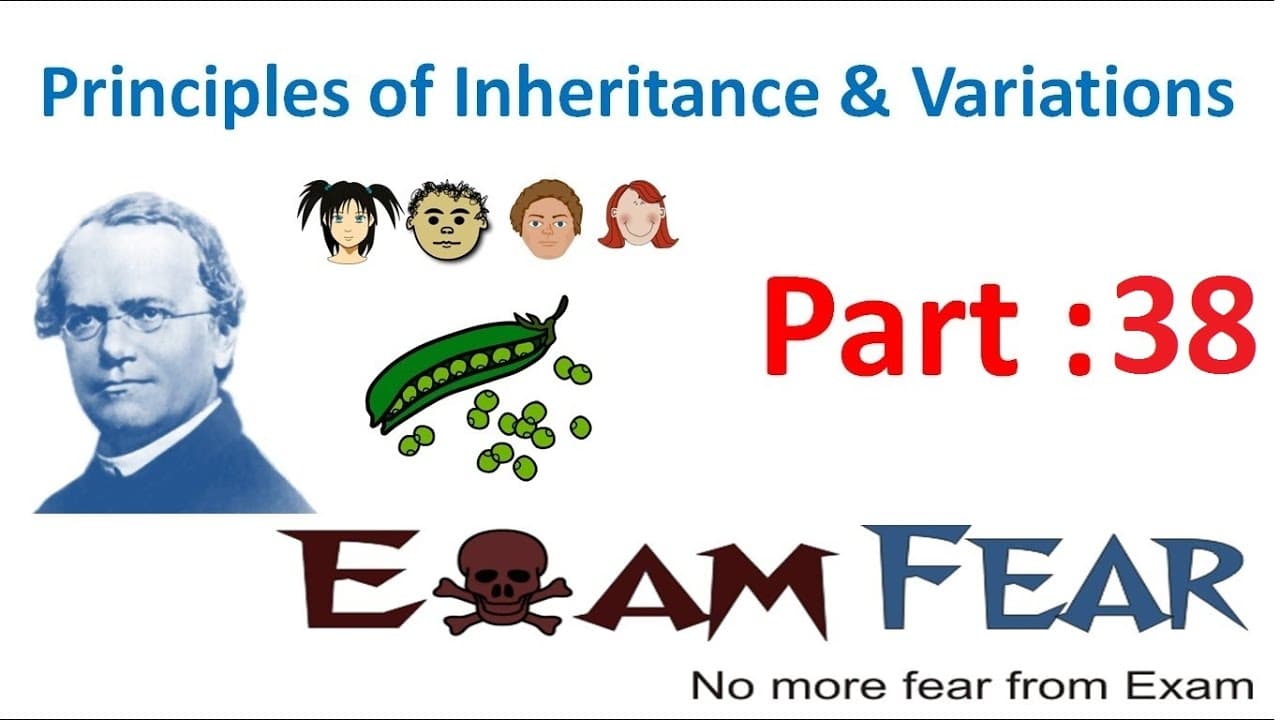
Biology Inheritance Principle part 38 (Gene & chromosomal Mutation) class 12 XII
TL;DR
This video explains the two types of mutations that can occur in an organism: gene mutations and chromosomal mutations.
Transcript
hello friends this video on principles of inheritance part 38 is brought to you by example.com no more fear from exam there are different types of mutations mutations are broadly classified because there are different causes of mutations so these are the different factors which caused mutation but mutations have can happen due to change in the gene... Read More
Key Insights
- ❓ Mutations can be categorized into gene mutations and chromosomal mutations.
- 💱 Gene mutations occur due to changes in the structure of genes, affecting protein synthesis.
- 💱 Chromosomal mutations involve changes in chromosome number or structure, impacting gene sequences and protein synthesis.
- ❓ Gene mutations can occur through substitution, insertion, or deletion of bases.
- ❓ Chromosomal mutations can involve duplication, deletion, inversion, or translocation of chromosome segments.
- 💱 Both gene mutations and chromosomal mutations can result in changes in an organism's traits.
- ❓ Mutations can have varying degrees of harmfulness, with some being completely harmless, while others can be fatal.
Install to Summarize YouTube Videos and Get Transcripts
Explore YouTube Video Summarizer or Get YouTube Transcript Extractor
Questions & Answers
Q: What are the two types of mutations discussed in the video?
The two types of mutations discussed in the video are gene mutations and chromosomal mutations. Gene mutations result from changes in the structure of genes, while chromosomal mutations occur due to changes in chromosome number or structure.
Q: How do gene mutations affect protein synthesis?
Gene mutations can alter the sequence of bases in a gene, which in turn changes the instructions for protein synthesis. This can lead to the production of abnormal proteins or the absence of certain proteins, impacting the organism's traits.
Q: Give examples of gene mutations.
Gene mutations can occur through substitution, insertion, or deletion of bases. Substitution is when an incorrect base replaces the correct base, leading to a mismatch in the gene sequence. Insertion refers to the addition of an extra base, shifting the entire gene sequence. Deletion is the removal of a base, also causing a shift in the gene sequence.
Q: How do chromosomal mutations affect traits?
Chromosomal mutations can result in changes in the number or structure of genes on chromosomes. This can lead to the loss or duplication of certain genes, altering the proteins produced by those genes and causing changes in the organism's traits.
Summary & Key Takeaways
-
Mutations can occur in organisms due to changes in gene structure or changes in chromosome number or structure.
-
Gene mutations result from changes in the structure of genes, which can affect protein synthesis and traits.
-
Chromosomal mutations occur when there is a change in the number or structure of chromosomes, impacting gene sequences and leading to changes in proteins and traits.
Read in Other Languages (beta)
Share This Summary 📚
Summarize YouTube Videos and Get Video Transcripts with 1-Click
Try YouTube Summary with ChatGPT & Claude or YouTube Transcript Generator
Explore More Summaries from LearnoHub - Class 11, 12 📚

Summarize YouTube Videos and Get Video Transcripts with 1-Click
Try YouTube Summary with ChatGPT & Claude or YouTube Transcript Generator