Reparations on the Menu
TL;DR
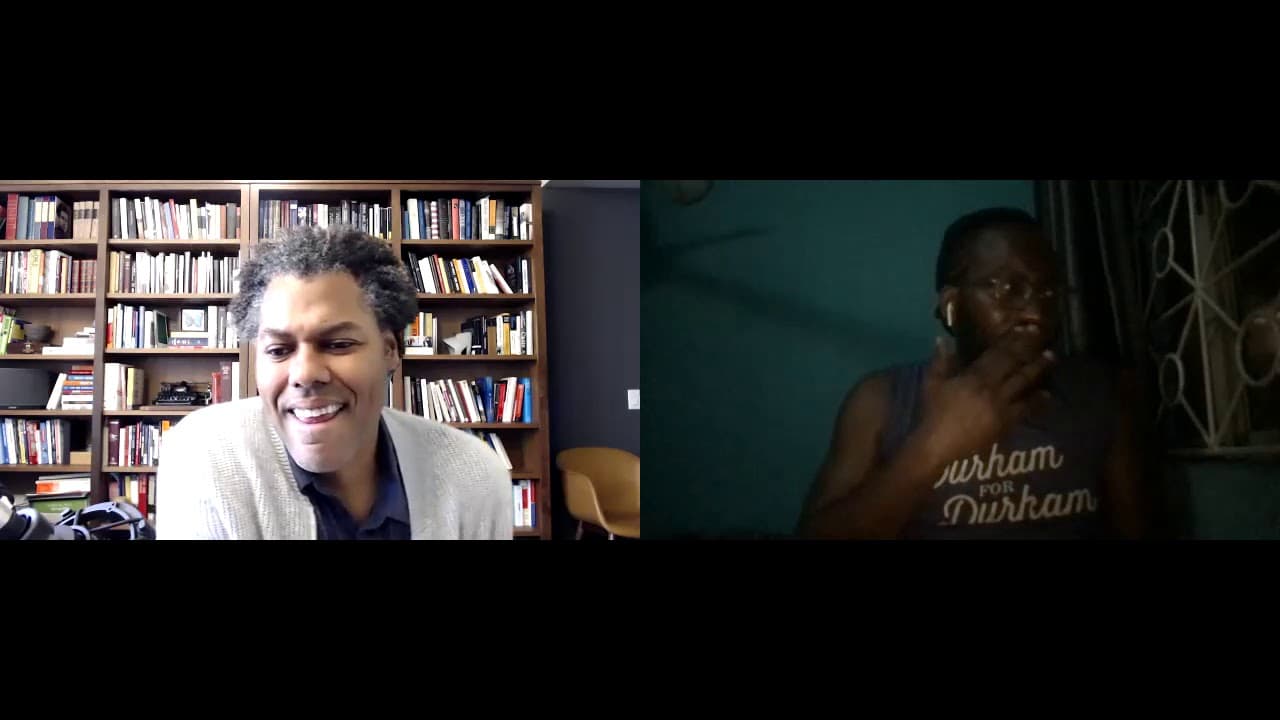
Tim Day Wei, a chef and activist, discusses the intersection of food and race, emphasizing the need for critical thinking and addressing systemic issues.
Transcript
welcome this is leadership for society race and power i'm brian lowery professor at the graduate school of business at stanford and today we're talking about food and race and i'm happy to have tim day wei here a chef and activist um the talk um about this important topic thanks for joining us today thank you for having me yeah so first i'm gonna a... Read More
Key Insights
- 🥰 Tim Day Wei's work incorporates various mediums such as cooking, writing, art, and filmmaking to address important topics related to food and race.
- ❓ Personal preferences and choices can become political when they perpetuate systemic inequalities and impose on others.
- 😋 Food can serve as a metaphor to explore larger social issues such as gentrification and cultural appropriation.
- ❓ Reparations should involve resource redistribution and addressing systemic issues that perpetuate racial and economic disparities.
- 🤨 The current focus on racial and global justice issues requires raising individual consciousness and redefining acceptable levels of consumption.
- 🌐 Many global systems, such as the US dollar-based system and food aid, contribute to racial and economic disparities on a global scale.
- 🇹🇱 Tim Day Wei emphasizes the importance of addressing consumption and its impact on marginalized communities.
Install to Summarize YouTube Videos and Get Transcripts
Explore YouTube Video Summarizer or Get YouTube Transcript Extractor
Questions & Answers
Q: Why do you feel the need to complicate people's enjoyment of food?
Tim believes that people tend to shy away from critical thinking and prefer to avoid considering systemic issues. By interrupting their enjoyment, he aims to share the uncomfortable truths and stimulate dialogue.
Q: How do you address the ownership and appropriation of food?
Tim believes that the first question to ask is who benefits from a particular food or dish. He emphasizes the importance of distinguishing between private and public consumption and challenging the impact that appropriative actions may have on marginalized communities.
Q: What does Tim Day Wei suggest as a form of reparations for black and indigenous people?
While he acknowledges that there are existing proposals by experts like Sandy Darity, Tim believes that redistributing resources is essential, including addressing systemic issues and raising the level of consumption for everyone.
Q: Are you optimistic about the progress being made on racial and global justice issues?
Tim recognizes the cyclical nature of progress and acknowledges that history does not provide much optimism. He believes that addressing consumption and raising individual consciousness about various social issues is crucial for positive change.
Summary & Key Takeaways
-
Tim Day Wei defines his work as a combination of chef, activist, writer, filmmaker, and artist, using various mediums to address important topics.
-
He explores the complexities of food production, consumption, and the writing and reflection surrounding it, as well as using food as a metaphor to explore larger social issues like gentrification.
-
Tim believes that personal preferences and choices can become political when they impose on others and reinforces systemic inequalities.
Read in Other Languages (beta)
Share This Summary 📚
Summarize YouTube Videos and Get Video Transcripts with 1-Click
Try YouTube Summary with ChatGPT & Claude or YouTube Transcript Generator
Explore More Summaries from Stanford Graduate School of Business 📚

Summarize YouTube Videos and Get Video Transcripts with 1-Click
Try YouTube Summary with ChatGPT & Claude or YouTube Transcript Generator