What Challenges Face California's High-Speed Rail Project?
TL;DR
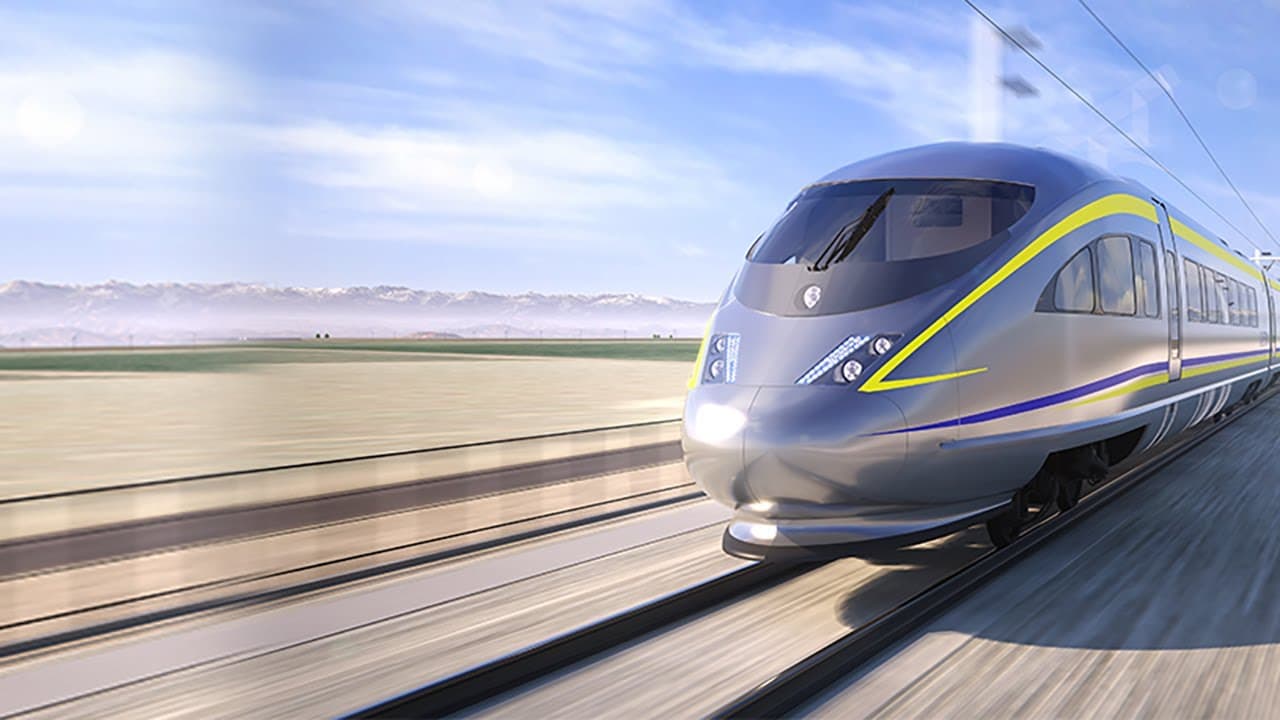
California's high-speed rail project aims to connect major cities but struggles with significant delays, cost overruns, and funding challenges. Originally projected at $33 billion, costs have soared to over $100 billion with completion not expected until at least 2029, raising questions about the project's viability.
Transcript
if you live in san francisco and you want to get to l.a you kind of only have two options a six-hour drive or a journey out of the city to the airport followed by the journey through the airport to a plane followed by a 90-minute flight then a journey through a la airport and then a drive to wherever you're headed it's not exactly easy that's where... Read More
Key Insights
- 🚄 California's plan for a high-speed rail line stands out in a country that is more focused on flying and driving.
- 😀 The project has faced challenges in securing funding from private investors and the federal government, hindering its progress.
- 🏝️ Land acquisition has been a significant obstacle, with hundreds of parcels of land still needed for certain sections of the rail line.
- 🤨 The estimated final cost of the project has risen significantly, raising concerns about its feasibility.
- 🚄 The completion of the high-speed rail line would contribute to efforts to reduce emissions and achieve climate change targets.
- 🫥 Other high-speed rail projects in the US, such as the Dallas-Houston line and the Victorville-Las Vegas line, are also in progress.
- 🚄 Despite setbacks, California's high-speed rail line could serve as a catalyst for future high-speed rail projects in the US.
Install to Summarize YouTube Videos and Get Transcripts
Explore YouTube Video Summarizer or Get YouTube Transcript Extractor
Questions & Answers
Q: What is the purpose of California's high-speed rail line?
The high-speed rail line aims to better connect cities, boost the economy, reduce emissions, and provide an alternative to flying and driving between San Francisco, San Joaquin Valley, and Southern California.
Q: Why has the construction of the high-speed rail line faced delays and cost overruns?
The project has encountered difficulties in securing funding from private investors and the federal government. Additionally, land acquisition has been a complex process, with hundreds of parcels of land still needed for certain sections of the rail line.
Q: How much funding has been allocated for intercity rail in the US infrastructure plan?
The US infrastructure plan has earmarked around $20 billion for intercity rail, providing some optimism for the future of high-speed rail projects across the country.
Q: What are the potential consequences of completing the high-speed rail line?
If completed, the rail line would not only provide faster and more efficient travel but also contribute to the US achieving climate change targets by reducing reliance on cars and decreasing emissions.
Summary & Key Takeaways
-
California's plan for a high-speed rail line aims to connect San Francisco, San Joaquin Valley, and Southern California, providing a faster and cleaner way to travel between these regions.
-
The project has faced difficulties, setbacks, and cost overruns, with the estimated final cost exceeding $100 billion and construction not expected to be complete until at least 2029.
-
Funding from private investors and the federal government has been difficult to secure, and land acquisition has been a significant challenge for the project.
Read in Other Languages (beta)
Share This Summary 📚
Summarize YouTube Videos and Get Video Transcripts with 1-Click
Try YouTube Summary with ChatGPT & Claude or YouTube Transcript Generator
Explore More Summaries from The B1M 📚

Summarize YouTube Videos and Get Video Transcripts with 1-Click
Try YouTube Summary with ChatGPT & Claude or YouTube Transcript Generator