What Is the Difference Between Near-Death Experiences and Dreams?
TL;DR
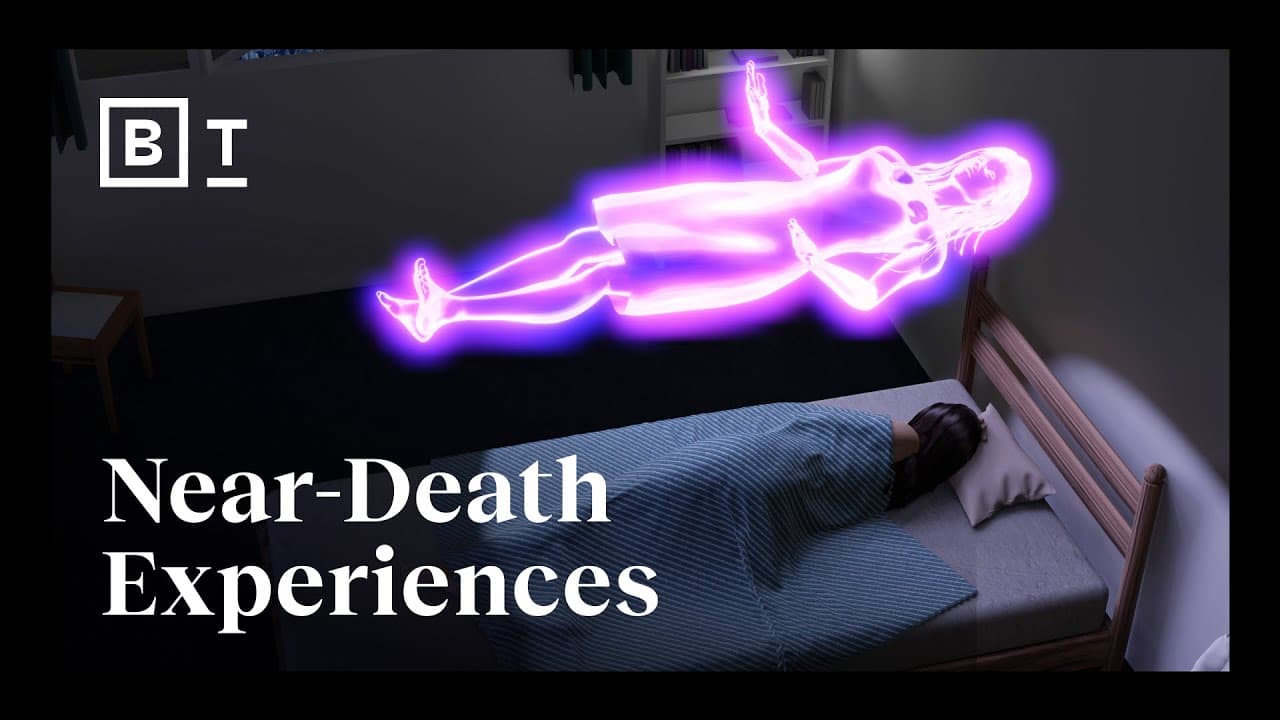
Near-death experiences (NDEs) are profound events characterized by leaving the physical body, life reviews, and encounters with entities, which differ significantly from dreams. NDEs are consistent and peaceful, while dreams are often chaotic and random. Factors such as lack of oxygen or drugs do not cause NDEs; instead, they may suppress the occurrence of such experiences.
Transcript
- Near-death experiences are profound, subjective experiences that many people have when they come close to death or sometimes when they are, in fact, pronounced dead. And they include such difficult to explain phenomena as: a sense of leaving the physical body, reviewing one's entire life, encountering some other entities that aren't physically pr... Read More
Key Insights
- 🍃 Near-death experiences involve leaving the physical body, life reviews, and encounters with entities.
- 😖 NDEs are distinct from dreams or hallucinations, as they are consistent, peaceful, and involve accurate out-of-body perceptions.
- 😖 Factors like lack of oxygen or drugs do not cause NDEs but may repress them.
Install to Summarize YouTube Videos and Get Transcripts
Explore YouTube Video Summarizer or Get YouTube Transcript Extractor
Questions & Answers
Q: What are some common elements of near-death experiences?
Common elements of near-death experiences include leaving the physical body, life reviews, encountering entities, and reaching a point of no return beyond which return to life is impossible.
Q: How do near-death experiences differ from dreams or hallucinations?
Near-death experiences are distinct from dreams or hallucinations as they are consistent, peaceful, and often involve accurate out-of-body perceptions that are not typical of dreams.
Q: Can lack of oxygen or drugs cause near-death experiences?
Lack of oxygen or drugs do not cause near-death experiences, as individuals who report NDEs have better oxygen flow to the brain and are less likely to report NDEs if given more drugs near death.
Q: How do near-death experiencers distinguish their experiences as real?
Near-death experiencers often insist that their experiences are real, more real than the physical world, and compare it to being hit by a truck where there is no doubt in their minds about the encounter.
Summary & Key Takeaways
-
Near-death experiences are profound, subjective encounters that often involve leaving the physical body, life reviews, encounters with entities, and a point of no return.
-
They are distinct from dreams or hallucinations, as they are peaceful, consistent, and have accurate out-of-body perceptions.
-
Factors like lack of oxygen or drugs do not cause near-death experiences, but may repress them instead.
Read in Other Languages (beta)
Share This Summary 📚
Summarize YouTube Videos and Get Video Transcripts with 1-Click
Try YouTube Summary with ChatGPT & Claude or YouTube Transcript Generator
Explore More Summaries from Big Think 📚




Summarize YouTube Videos and Get Video Transcripts with 1-Click
Try YouTube Summary with ChatGPT & Claude or YouTube Transcript Generator