Mainstreaming the Circular Economy Model
TL;DR
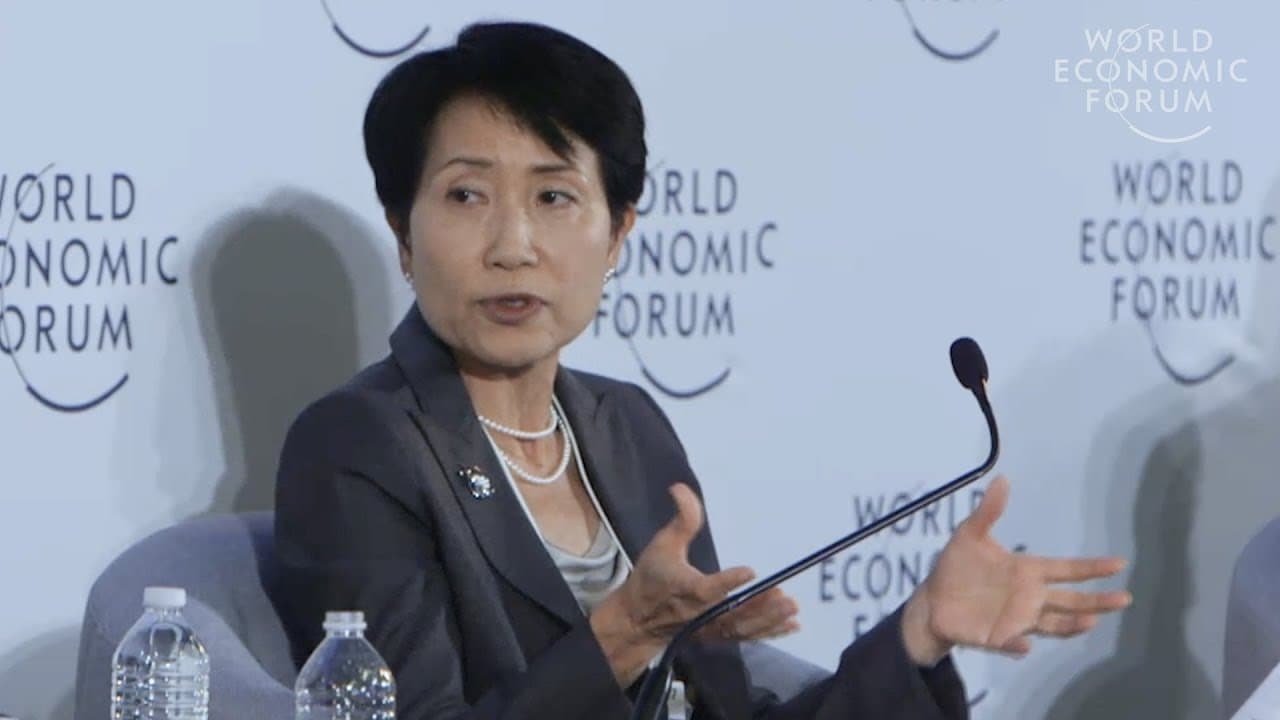
World Economic Forum discusses scaling sustainable solutions through circular economy initiatives.
Transcript
things started here I think just a very brief welcome on behalf of the World Economic Forum we're very happy to have this session here today the circular economy concept is is something that we hold very much kind of too hard in terms of really driving the objective of supporting a sustainable transition I think we all know that we have an incredib... Read More
Key Insights
- 🖤 Empowering by a lack of resources drives innovation in a circular economy.
- 📽️ Reliable institutions and partnerships are crucial for successful circular economy projects.
- 🗑️ Pricing mechanisms, such as taxation, can influence resource usage and waste management practices.
- ⚖️ Innovation and investment are essential for scaling circular economy solutions.
- 🖐️ Policy measures and regulatory frameworks play a critical role in promoting circular economy initiatives.
- 🪛 Entrepreneurship and social impact drive transformative change in circular economy ventures.
- 🤩 Collaboration between public and private sectors is key to scaling circular economy projects.
Install to Summarize YouTube Videos and Get Transcripts
Explore YouTube Video Summarizer or Get YouTube Transcript Extractor
Questions & Answers
Q: Why is transitioning to a circular economy considered crucial for a sustainable future?
Transitioning to a circular economy reduces waste, addresses natural resource challenges, and enables sustainable economic progress.
Q: How can blending finance models aid in the adoption of circular economy projects?
Blending finance models can facilitate wider adoption of circular economy projects by mitigating financial risks and supporting replication efforts.
Q: What role do reliable sourcing partnerships play in promoting circular economy initiatives?
Reliable sourcing partnerships are essential for ensuring a consistent supply of materials for circular economy projects, especially in developing countries where waste management practices may be inadequate.
Q: How can government policies and regulations support the advancement of circular economy initiatives?
Government policies such as taxing waste and promoting standards for sustainable practices can influence relative pricing, incentivizing businesses to adopt circular economy principles.
Summary & Key Takeaways
-
World Economic Forum emphasizes the need to transition to a circular economy for a sustainable future.
-
Challenges of natural resource demand and waste management are highlighted.
-
Collaboration between public and private sectors is crucial for scaling circular economy solutions.
Read in Other Languages (beta)
Share This Summary 📚
Summarize YouTube Videos and Get Video Transcripts with 1-Click
Try YouTube Summary with ChatGPT & Claude or YouTube Transcript Generator
Explore More Summaries from World Economic Forum 📚
Summarize YouTube Videos and Get Video Transcripts with 1-Click
Try YouTube Summary with ChatGPT & Claude or YouTube Transcript Generator