What Does a Busy Day Look Like for a Research Scientist?
TL;DR
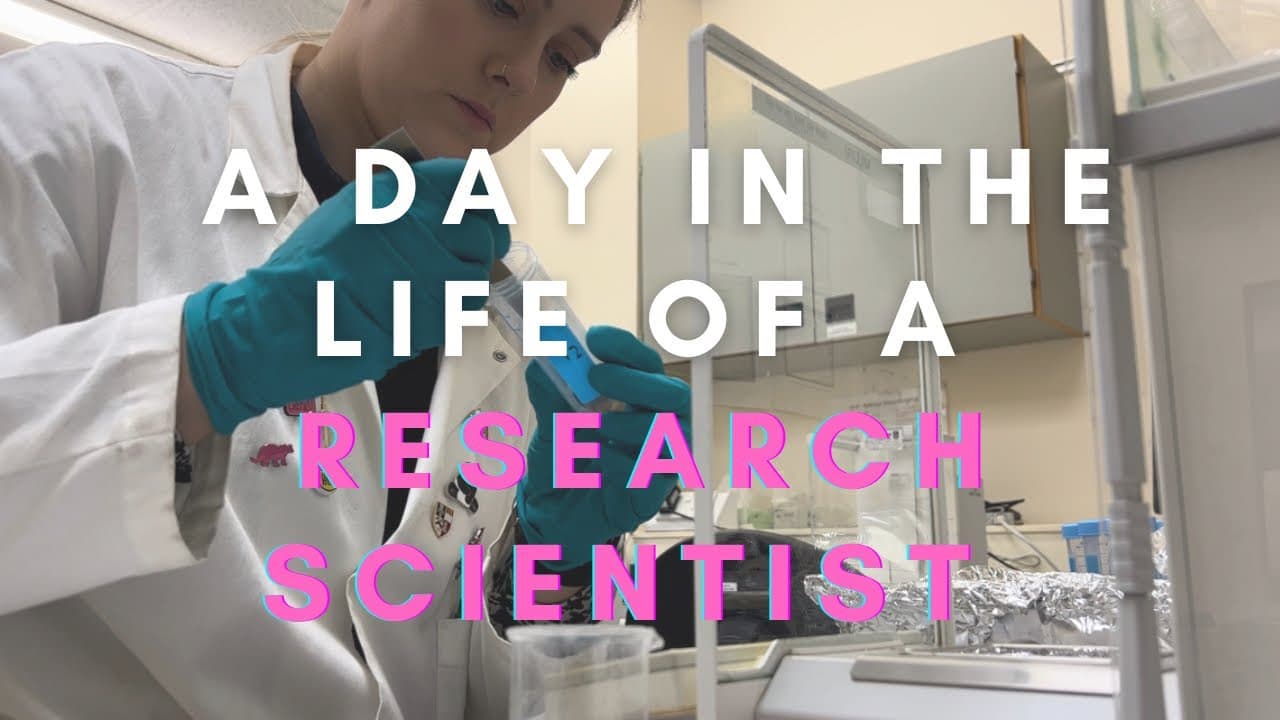
A research scientist's busy day involves meticulous planning, time blocking, and handling unexpected challenges like wet tubes. Key tasks include method development focused on ensuring matrix linearity in salmon samples, managing multiple meetings and webinars, and incorporating motivational podcasts to maintain focus during lab work.
Transcript
hello my YouTube friends and welcome back to my channel if you are new here my name is Jessica and I am a research scientist in the area of environmental and analytical chemistry and it is currently Half 8 and I am at work and I've just spent the first 5 minutes of my day planning out and time blocking exactly what I need to do today I'm whispering... Read More
Key Insights
- 👨🔬 Time blocking and planning are essential for managing a busy schedule in research.
- 💦 Listening to podcasts can boost motivation and focus during repetitive lab work.
- 🤔 Dealing with unexpected challenges like wet tubes requires quick thinking and problem-solving skills.
- 👨🔬 Method development in research involves ensuring matrix linearity for accurate results.
- 🥳 Balancing work tasks, webinars, meetings, and breaks is crucial for a successful and less stressful day.
- 👨🔬 Replicates in batch processing increase confidence in research results.
- 💦 Communication and collaboration with colleagues enhance efficiency in lab work.
Install to Summarize YouTube Videos and Get Transcripts
Explore YouTube Video Summarizer or Get YouTube Transcript Extractor
Questions & Answers
Q: What challenges did the research scientist face with the wet tubes?
The scientist had to rinse them with methanol and dry them quickly to proceed with weighing the samples, disrupting the planned schedule.
Q: Why did the scientist listen to health and wellbeing podcasts during lab work?
To stay motivated and focused, the podcasts on mental resilience helped balance the activity and enhance productivity in the lab.
Q: What does matrix linearity involve in the research scientist's work?
Matrix linearity ensures that the response of the instrument increases linearly with the concentration of analytes in the sample, crucial for accurate results in method development.
Q: How does the scientist manage their time and adapt to unexpected delays?
By adjusting the schedule, attending webinars, preparing for meetings, and staying organized, the scientist navigates through the day's challenges effectively.
Summary & Key Takeaways
-
Scientist plans a busy day filled with lab work and time blocking.
-
Faces challenges with wet tubes, adjusts schedule, and listens to podcasts for motivation.
-
Works on method development for a specific lab process, focusing on matrix linearity in salmon samples.
Read in Other Languages (beta)
Share This Summary 📚
Summarize YouTube Videos and Get Video Transcripts with 1-Click
Try YouTube Summary with ChatGPT & Claude or YouTube Transcript Generator
Explore More Summaries from Dr Jessica Gomez 📚





Summarize YouTube Videos and Get Video Transcripts with 1-Click
Try YouTube Summary with ChatGPT & Claude or YouTube Transcript Generator