How to Master the Axe Serve in Table Tennis
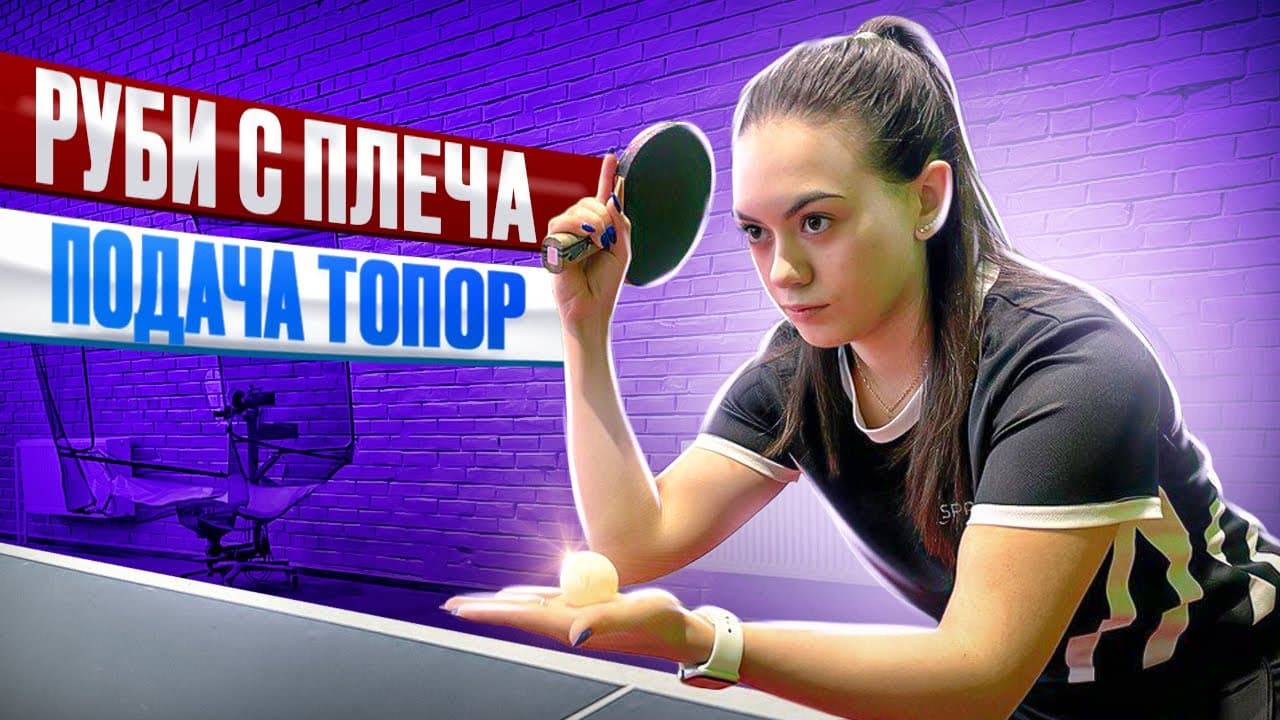
TL;DR
To master the axe serve in table tennis, start with a right-sided stance and a classic racket grip. Focus on the key movements: toss the ball, rotate your body, and strike with the racket at the right angle to generate side spin. Practice in stages to refine your technique and improve spin control, ultimately making the serve difficult for opponents to return.
Transcript
In this video, we will take a closer look at the ax feed, how it is served, and most importantly, how to learn it yourself? My name is Ivan Tolmachev! And this channel is about table tennis. Here We reveal the secrets of sportsmanship for beginners and experienced players. Please like and ring the bell before you continue watching. We begin. Ax - i... Read More
Key Insights
- The axe serve is a foundational serve in table tennis, known for its right side rotation and difficulty for opponents to return.
- Ivan Tolmachev's video aims to teach viewers the axe serve technique, breaking down the movement into manageable steps.
- The starting position involves a right-sided stance with a classic racket grip, essential for executing the serve correctly.
- Key movements include a toss, body rotation, forearm swing, and precise racket contact to generate spin.
- The serve is effective due to its deceptive spin, which can confuse opponents unfamiliar with such techniques.
- The video emphasizes practicing the serve in stages, focusing on body positioning, racket handling, and spin control.
- The training method involves repetitive practice with various exercises to build muscle memory and improve serve accuracy.
- Mastering the axe serve requires synchronization of body movements, racket control, and understanding of spin dynamics.
Install to Summarize YouTube Videos and Get Transcripts
Explore YouTube Video Summarizer or Get YouTube Transcript Extractor
Questions & Answers
Q: What is the axe serve in table tennis?
The axe serve is a foundational serve in table tennis characterized by its right side rotation. It is the first twisted serve typically taught to children in sports schools. The serve is unique because it is relatively easy to learn but extremely challenging for opponents to return due to its deceptive spin.
Q: Why is the axe serve difficult for opponents to return?
The axe serve is difficult for opponents to return because of its right side spin, which causes the ball to move unpredictably upon contact with the racket. Players unfamiliar with handling spins often misjudge the ball's trajectory, resulting in missed returns or off-target shots.
Q: What are the key steps in executing an axe serve?
Executing an axe serve involves several key steps: starting from the correct stance, performing a toss, rotating the body, swinging the forearm, and making precise contact with the ball using the racket to generate spin. Each step is crucial for achieving the desired spin and trajectory of the serve.
Q: How can players practice the axe serve effectively?
Players can practice the axe serve effectively by breaking down the serve into manageable components and repeating each movement until it becomes second nature. Exercises include practicing racket grip, body rotation, and spin control. Gradually combining these elements helps players master the full serve.
Q: What is the significance of body positioning in the axe serve?
Body positioning is significant in the axe serve as it influences the serve's power and spin. The player starts in a right-sided stance, with the left foot forward and the right foot behind. Proper weight transfer and body rotation create the momentum needed for an effective serve.
Q: How does the video suggest improving spin control in the axe serve?
The video suggests improving spin control by practicing specific exercises, such as hitting a ball painted in half to observe spin, using a wheel or soccer ball to develop brushwork, and focusing on racket grip and movement. These exercises help players feel and control the ball's spin.
Q: What role does the racket grip play in the axe serve?
The racket grip plays a crucial role in the axe serve by determining the angle and contact point on the ball, which affects spin and trajectory. A classic grip with all fingers positioned correctly allows players to execute the serve with precision and control the ball's movement effectively.
Q: What is the final step in mastering the axe serve according to the video?
The final step in mastering the axe serve, as per the video, involves performing the serve with a full cycle of movement, ensuring the brush is relaxed and the spin is well-executed. Players should focus on synchronizing body rotation, racket swing, and weight transfer to achieve a consistent and effective serve.
Summary & Key Takeaways
-
The video by Ivan Tolmachev provides a detailed guide on mastering the axe serve in table tennis, a serve known for its right side spin and difficulty to return. The tutorial breaks down the serve into key movements and offers a step-by-step training method to help players improve their technique.
-
The axe serve is a basic yet challenging serve that can outwit opponents unfamiliar with spin. The video covers the serve's execution from starting position to follow-through, emphasizing the importance of body positioning, racket grip, and spin control.
-
Viewers are encouraged to practice the serve in stages, starting with basic movements and progressing to full serve execution. The tutorial highlights the need for repetitive practice and offers tips for achieving the right spin and trajectory, ultimately improving serve quality and effectiveness.
Read in Other Languages (beta)
Share This Summary 📚
Summarize YouTube Videos and Get Video Transcripts with 1-Click
Try YouTube Summary with ChatGPT & Claude or YouTube Transcript Generator