E National Convention- CA Connect India- Upasana- Service Tax- Reverse Charge
TL;DR
Reverse charge mechanism shifts service tax liability from provider to receiver, while partial reverse charge divides tax payment between both.
Transcript
hello everyone I am past now I see a final student and in this video I will be explaining the concept of reverse charge mechanism and partial reverse watch mechanism in service tax we all know that service takes is generally payable by the person providing the service who actually collects the tax and pays to government but section 68 subsection 2 ... Read More
Key Insights
- 🈂️ Reverse charge mechanism shifts service tax payment responsibility to the service receiver for certain notified services.
- 🈂️ Applicability of reverse charge mechanism is determined by factors like service provider status, nature of service, and service receiver status.
- 🈂️ Partial reverse charge mechanism involves dividing service tax payment between provider and receiver based on specific services.
Install to Summarize YouTube Videos and Get Transcripts
Explore YouTube Video Summarizer or Get YouTube Transcript Extractor
Questions & Answers
Q: What is reverse charge mechanism in service tax?
Reverse charge mechanism in service tax shifts the responsibility of paying service tax from the service provider to the receiver based on certain notified services by the central government. This means that the service receiver becomes liable for paying the service tax.
Q: How does the applicability of reverse charge mechanism depend on various factors?
The applicability of reverse charge mechanism depends on the status of the service provider, nature of the service provided, and the status of the service receiver. These factors determine whether the service tax liability is transferred to the service receiver.
Q: What are some services where reverse charge mechanism is applicable?
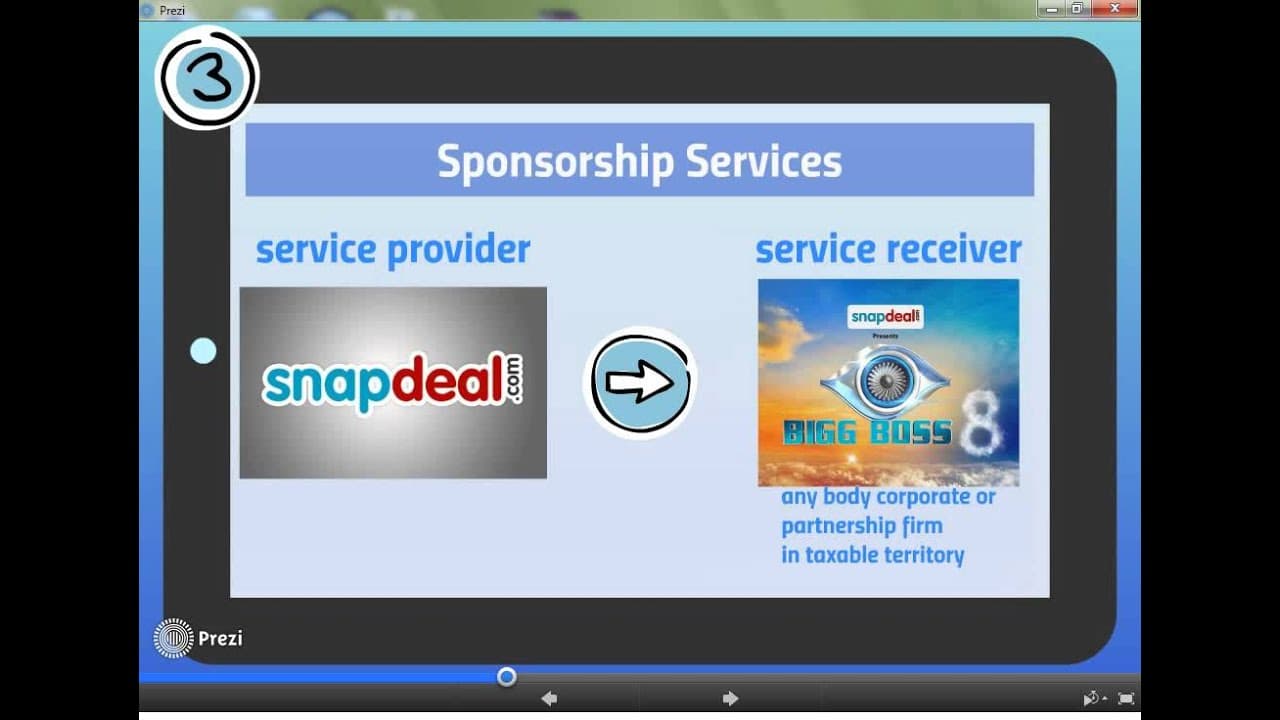
Services like insurance agents, courier transport agencies, sponsorship services, legal services, government services, director services, and import of services are some examples where reverse charge mechanism is applicable, making the service receiver responsible for paying the service tax.
Q: What is partial reverse charge mechanism and how does it work?
Partial reverse charge mechanism divides the payment of service tax between the service provider and the service receiver. The central government notifies specific services where both the provider and receiver are required to share the tax liability based on set percentages.
Summary & Key Takeaways
-
Reverse charge mechanism makes the service receiver liable for paying service tax instead of the provider.
-
Applicability depends on service provider status, nature of service, and service receiver status.
-
Partial reverse charge divides service tax payment between provider and receiver based on specific services.
Read in Other Languages (beta)
Share This Summary 📚
Summarize YouTube Videos and Get Video Transcripts with 1-Click
Try YouTube Summary with ChatGPT & Claude or YouTube Transcript Generator