10 GREEDY Video Game Moves That SHOCKED US
TL;DR
The video discusses ten of the most outrageous greedy practices by game publishers.
Transcript
(electronic chiming) - [Falcon] Game publishers often work very hard to find ways to innovate in greed. I love me some video games, but I don't love me some video game companies. Hi folks, it's Falcon, and today, on Gameranx, 10 of the greediest game company moves ever part two. Now I'm just gonna put out a little quick disclaimer: This doesn't nec... Read More
Key Insights
- 👾 Game publishers often prioritize profit over player satisfaction, resulting in practices that alienate their consumer base.
- 🥺 Exorbitant pricing for game editions and downloadable content can harm a studio's reputation and lead to public backlash.
- 😉 Microtransactions can detract from the overall gaming experience, transforming it into a pay-to-win environment that may discourage casual players.
- 🤱 Companies like Kanomi and EA exacerbate player frustration by introducing unnecessary fees and restricting content behind expensive paywalls.
- 🙈 Misleading advertising practices, as seen with Razer and Nexon, have legal and ethical implications alongside consumer dissatisfaction.
- 🎮 The integration of real money into gameplay mechanics can deteriorate the balance and enjoyment that players expect from games.
- 🤨 The ever-growing trend of inflation in digital content raises concerns about sustainability in the gaming industry.
Install to Summarize YouTube Videos and Get Transcripts
Explore YouTube Video Summarizer or Get YouTube Transcript Extractor
Questions & Answers
Q: What is the primary focus of the video?
The video focuses on exposing some of the most irresponsible greedy practices by video game publishers, highlighting actions that exploit players through high prices, excessive microtransactions, and misleading promotional tactics. It delves into ten specific examples to showcase this ongoing issue in the gaming industry.
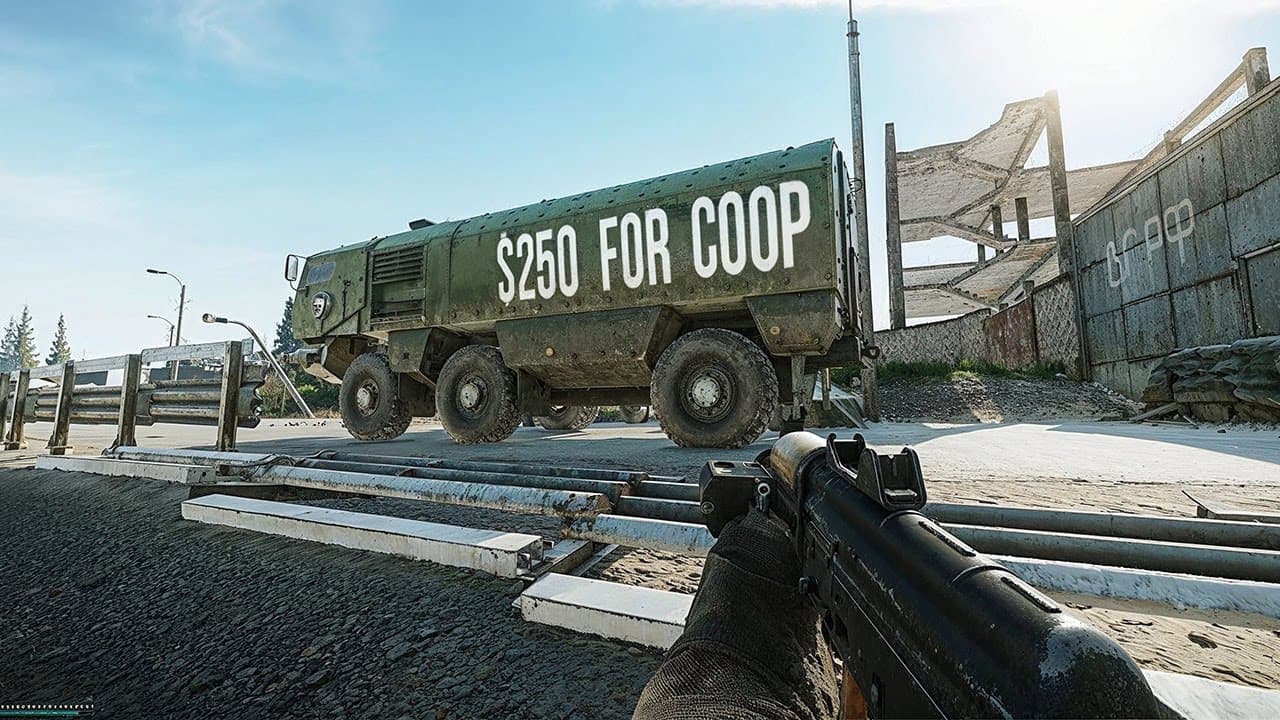
Q: How did Battlestate Games respond to the backlash over the pricing of "Escape from Tarkov"?
After significant fan outrage regarding the $250 "The Unheard Edition," Battlestate Games attempted to appease players with rewards, which consisted mostly of pay-to-win features and limited access. Their offer of high-priority matchmaking for certain edition owners further fueled anger, emphasizing the controversial nature of their decisions.
Q: Why is Konami’s practice in "Metal Gear Survive" considered greedy?
Konami's "Metal Gear Survive" charged players for additional character slots in a game that was already purchased, which is seen as excessive because most games offer multiple slots for free. This practice, particularly in a primarily single-player experience, exemplifies a shift towards nickel-and-diming players in what should be complete gaming content.
Q: How did Ubisoft's pricing for "Star Wars Outlaws" editions raise eyebrows?
Ubisoft's marketing strategy for "Star Wars Outlaws" featured a baffling pricing structure, where critical content like a mission featuring Jabba was locked behind pricey special editions. The complexity and high costs raised concerns about how publishers capitalize on fan loyalty and expectations, creating a convoluted purchasing environment.
Q: How did EA’s practice in "Apex Legends" demonstrate disrespect towards players?
EA’s microtransaction structure in "Apex Legends" during the "Final Fantasy VII" crossover demanded players spend around $360 to access a particular cosmetic item, demonstrating a blatant disregard for value and the exploitation of consumers' desire for exclusive content. This practice emphasizes the growing trend of price inflation in digital goods.
Q: What does Razer's mask incident reveal about corporate greed?
Razer’s decision to sell face masks during a pandemic at inflated prices for a product that didn't perform as advertised is emblematic of corporate greed. By claiming N95-level protection without thorough testing, Razer misled customers, raising ethical questions about valuing profits over consumer safety.
Q: How did the "Diablo III" Real Money Auction House impact the game?
The Real Money Auction House in "Diablo III" led to a loss of gameplay balance, as it encouraged players to spend real money for in-game items, degrading the overall experience. This practice turned item rarity into a commodity, ultimately leading to player dissatisfaction and Blizzard removing the feature due to backlash.
Q: What was unique about Nexon's practices in "MapleStory"?
Nexon was implicated in lying about the drop rates of loot box items in "MapleStory," leading to significant consumer outrage and financial penalties. Their effective manipulation of gaming mechanics for profit, especially given their reputation as an innovator of gacha systems, underscores ongoing concerns about fairness and transparency in online gaming.
Summary & Key Takeaways
-
The video highlights egregious actions by game publishers, illustrating how some companies exploit players financially through outrageous pricing and microtransactions.
-
Noteworthy examples include the exorbitant pricing for game editions and microtransactions that compromise game integrity, reflecting a profit-driven mentality overshadowing player experience.
-
The content argues a distinction between greedy publishers and well-intentioned developers, emphasizing that many developers are often constrained by corporate demands and financial pressures.
Read in Other Languages (beta)
Share This Summary 📚
Summarize YouTube Videos and Get Video Transcripts with 1-Click
Try YouTube Summary with ChatGPT & Claude or YouTube Transcript Generator
Explore More Summaries from gameranx 📚


Summarize YouTube Videos and Get Video Transcripts with 1-Click
Try YouTube Summary with ChatGPT & Claude or YouTube Transcript Generator