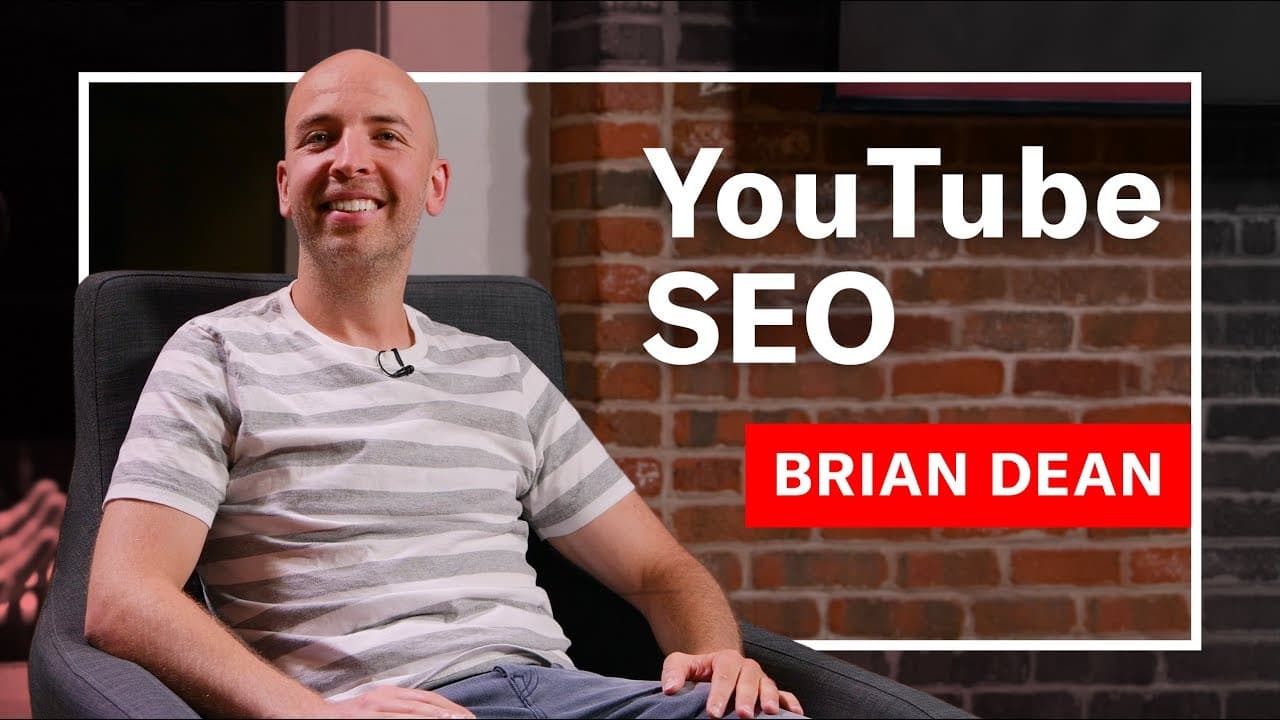
How to Master YouTube SEO with Brian Dean
TL;DR
To excel in YouTube SEO, focus on session time, watch time, and engagement. Longer videos tend to rank better as they keep viewers on the platform longer. Crafting content that encourages user interaction and aligns with popular topics enhances visibility. Understand the difference between YouTube and Google SEO to tailor strategies effectively.
Transcript
hey everyone welcome to another amazing episode of content and conversation today I'm very excited to be welcoming Bryan Dean of backlinko to the show today we're gonna be talking about YouTube SEO welcome Bryan thanks [Applause] welcome board or definitely excited about having you here in San Diego it's a honor to have you here and at this great m... Read More
Key Insights
- Session time is crucial for YouTube SEO; it measures how long users stay on YouTube after watching your video.
- Watch time focuses on the duration viewers spend on your specific video, impacting its ranking potential.
- Engagement, including likes, comments, and subscriptions, signals YouTube that your video is engaging.
- Longer videos often rank better as they keep viewers on the platform longer, enhancing session time.
- YouTube SEO differs from Google SEO; YouTube prioritizes keeping users on the platform.
- Suggested video optimization (SVO) is key; aim to appear in the suggested videos section for more views.
- Keyword research on YouTube focuses on high-competition topics with existing popular videos.
- Structuring videos with clear, descriptive segments can enhance visibility in Google's visual search results.
Install to Summarize YouTube Videos and Get Transcripts
Explore YouTube Video Summarizer or Get YouTube Transcript Extractor
Questions & Answers
Q: How to improve session time on YouTube?
To improve session time, create engaging content that encourages viewers to continue watching other videos on YouTube. This can include suggesting related videos at the end of your content, creating playlists, and ensuring your videos are engaging enough to keep viewers on the platform.
Q: What is the importance of watch time in YouTube SEO?
Watch time is a critical metric in YouTube SEO as it measures how long viewers spend watching your specific video. Higher watch time indicates to YouTube that your content is engaging, which can improve its ranking potential and visibility on the platform.
Q: Why do longer videos tend to rank better on YouTube?
Longer videos tend to rank better on YouTube because they can increase session time, keeping viewers on the platform longer. This aligns with YouTube's goal of maximizing user engagement and ad revenue, making longer content more favorable in the algorithm.
Q: How does engagement affect YouTube video rankings?
Engagement, including likes, comments, and subscriptions, signals to YouTube that your video is engaging and resonates with the audience. Higher engagement levels can lead to better rankings as they indicate viewer interest and interaction with your content.
Q: What is the difference between YouTube SEO and Google SEO?
YouTube SEO focuses on maximizing user engagement and time spent on the platform, whereas Google SEO aims to provide quick, satisfying answers to search queries. YouTube prioritizes metrics like session time and engagement, while Google emphasizes relevance and authority.
Q: What is suggested video optimization (SVO) on YouTube?
Suggested video optimization (SVO) involves optimizing your video to appear in the suggested videos section on YouTube. This can be achieved by aligning your content with popular topics, using similar metadata, and ensuring your video is engaging enough to be recommended by YouTube's algorithm.
Q: How to conduct keyword research for YouTube videos?
Keyword research for YouTube involves identifying high-competition topics with existing popular videos. Search for relevant keywords on YouTube, analyze the view counts of top videos, and create content that aligns with these popular topics to improve visibility and ranking potential.
Q: How should videos be structured for Google's visual search?
Videos should be structured with clear, descriptive segments to enhance visibility in Google's visual search results. This involves scripting videos like blog posts, using specific language to describe each section, and ensuring the content is easily digestible for both viewers and search algorithms.
Summary & Key Takeaways
-
Session time, watch time, and engagement are key factors in YouTube SEO. Longer videos that keep viewers on the platform perform better. By focusing on these metrics, creators can enhance their video's visibility.
-
YouTube SEO differs from Google SEO, with YouTube prioritizing user engagement and time spent on the platform. Suggested video optimization is crucial for gaining more views and subscribers.
-
To succeed in YouTube SEO, create content that aligns with popular topics and encourages interaction. Structuring videos with clear segments can improve visibility in visual search results.
Read in Other Languages (beta)
Share This Summary 📚
Summarize YouTube Videos and Get Video Transcripts with 1-Click
Try YouTube Summary with ChatGPT & Claude or YouTube Transcript Generator
Explore More Summaries from Content and Conversation 📚


Summarize YouTube Videos and Get Video Transcripts with 1-Click
Try YouTube Summary with ChatGPT & Claude or YouTube Transcript Generator