The psychology of moral grandstanding | Brandon Warmke | Big Think
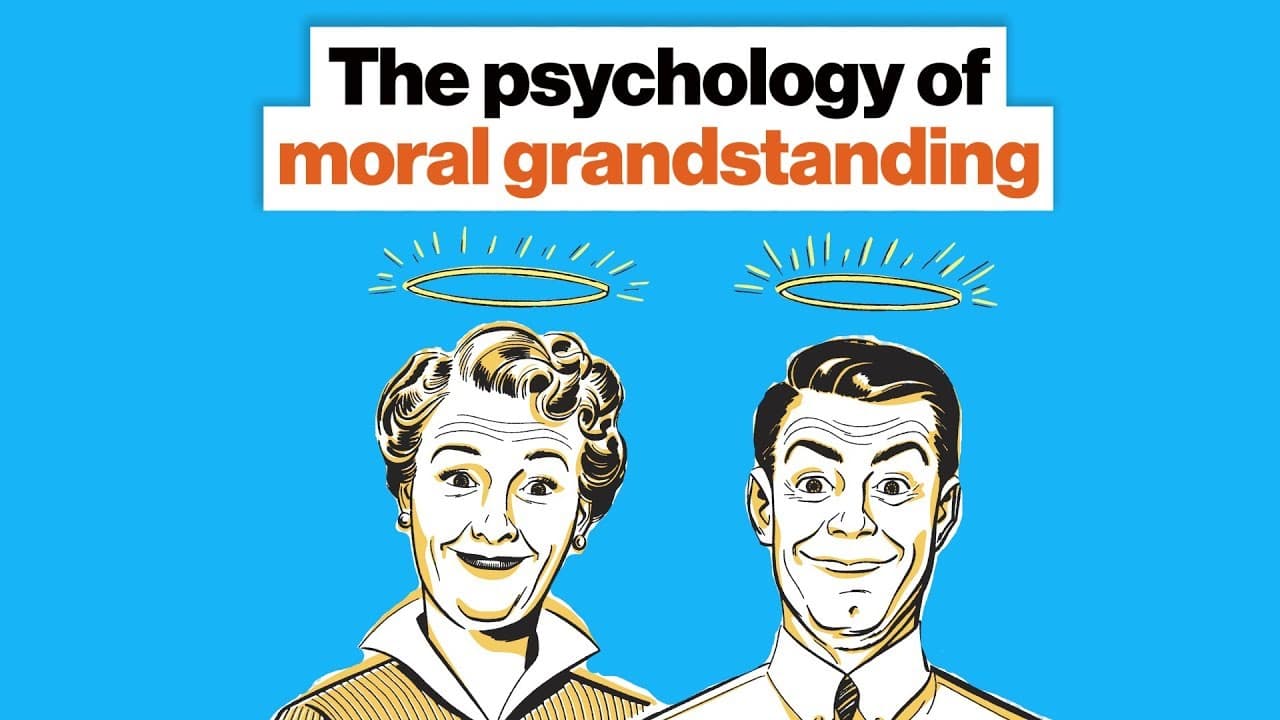
TL;DR
Moral grandstanding is using moral talk for self-promotion, leading to polarization, disrespect, and bad character implications.
Transcript
If you had a bumper sticker and you wanted a quick, dirty definition of moral grandstanding, it's the use of moral talk for self-promotion. Grandstanders are moral showboaters. They use public discourse as a vanity project. They're less concerned about saying what's true. They might be less concerned about helping other people. They're less concern... Read More
Key Insights
- 😒 Moral grandstanding uses moral talk for self-promotion rather than genuine conversation or concern.
- 😨 It can take forms of piling on or ramping up in public discourse for signaling justice or care.
- 🥺 Grandstanding leads to political polarization, disrespect, and reveals bad character.
- 🥶 It is considered disrespectful as grandstanders free-ride on the benefits of discourse without contributing.
- 😨 Authors argue that grandstanding shows egoistic motivations rather than genuine care or truth-seeking.
- ☸️ Moral grandstanding harms public discourse by undermining genuine engagement and creating cynicism.
- 💄 Grandstanding results in outrage exhaustion, making it harder to discern genuine injustices.
Install to Summarize YouTube Videos and Get Transcripts
Explore YouTube Video Summarizer or Get YouTube Transcript Extractor
Questions & Answers
Q: What is moral grandstanding?
Moral grandstanding is the act of using moral talk for self-promotion rather than genuine engagement, often involving vanity and selfish motivations.
Q: How does moral grandstanding contribute to political polarization?
Moral grandstanding leads to polarized discourse as individuals try to outdo each other in moral discourse, resulting in extreme stands and increased cynicism.
Q: Why is moral grandstanding considered disrespectful?
Moral grandstanding is disrespectful because grandstanders free-ride on the benefits of public discourse without contributing, defecting from norms and not playing fair.
Q: Why do the authors argue that grandstanding reveals bad character?
Authors suggest that grandstanding reveals bad character as it prioritizes self-promotion over genuine concern for others or the truth, showing egoistic motivations.
Summary & Key Takeaways
-
Moral grandstanding involves using moral talk for self-promotion and vanity rather than genuine conversation or concern for others.
-
It can take forms like piling on or ramping up in public discourse to signal heightened justice or care.
-
Grandstanding leads to negative consequences, disrespect, and reveals bad character in individuals.
Read in Other Languages (beta)
Share This Summary 📚
Summarize YouTube Videos and Get Video Transcripts with 1-Click
Try YouTube Summary with ChatGPT & Claude or YouTube Transcript Generator
Explore More Summaries from Big Think 📚


Summarize YouTube Videos and Get Video Transcripts with 1-Click
Try YouTube Summary with ChatGPT & Claude or YouTube Transcript Generator