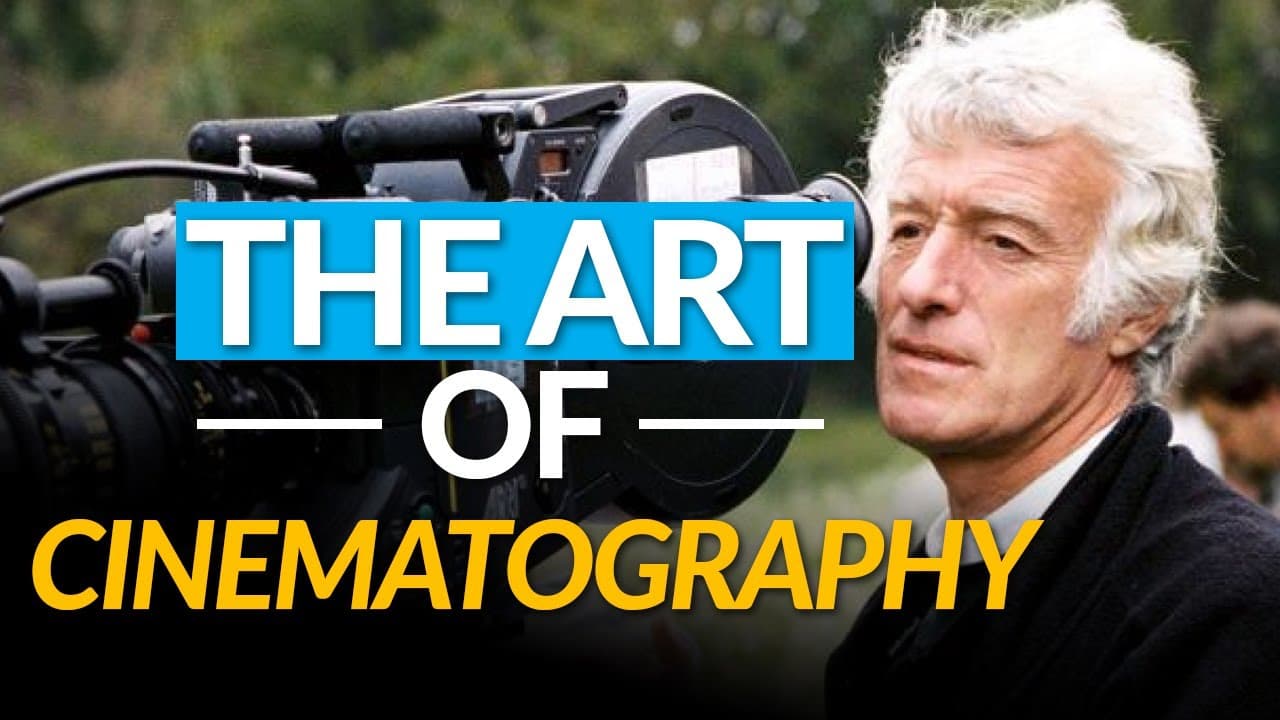
The BEST Cinematography Advice From Roger Deakins (His Philosophy of Cinematography)
TL;DR
Cinematography is not about creating beautiful shots, but about immersing the audience in the film as a whole.
Transcript
it's not just do it because it looks pretty that's the problem i mean that's a problem with all cinematography you don't ever want to go on a location scout thinking first primarily where's the light coming from that's that's death i think there's times to move the camera there's times to follow a character and there's times to stay back and allow ... Read More
Key Insights
- 🍶 The audience's immersion and engagement should be the primary focus of cinematography, rather than creating visually stunning shots for their own sake.
- 🌍 Lighting should be justified and contribute to creating a believable world for the audience to be immersed in.
- 😫 Pre-production planning and flexibility on set are both essential in creating effective cinematography.
Install to Summarize YouTube Videos and Get Transcripts
Explore YouTube Video Summarizer or Get YouTube Transcript Extractor
Questions & Answers
Q: What is the main goal of cinematography?
The main goal of cinematography is to create a film that sustains the overall feel and engages the audience, rather than solely focusing on creating visually stunning shots.
Q: How does simplicity play a role in cinematography?
Simplifying the visuals and avoiding extravagant camera moves and excessive technology can help maintain the audience's immersion and prevent distractions from the story being told.
Q: How does the choice of camera movement affect storytelling?
There are times to move the camera, follow a character, or allow the character to be observed within a space. The choice of camera movement should always serve the story and enhance the audience's perception of it.
Q: What is the difference between naturalism and realism in cinematography?
Naturalism aims to create a reality that feels believable and behaves like the real world, while realism may deviate from actual reality to evoke a certain mood or focus on specific aspects of a scene or story.
Key Insights:
- The audience's immersion and engagement should be the primary focus of cinematography, rather than creating visually stunning shots for their own sake.
- Lighting should be justified and contribute to creating a believable world for the audience to be immersed in.
- Pre-production planning and flexibility on set are both essential in creating effective cinematography.
- Lens choice and camera perspective impact the audience's perception and emotional connection to the characters and story.
Summary & Key Takeaways
-
Cinematography is not just about aesthetics, but about sustaining the feel of the film and keeping the audience immersed.
-
Creating a film that flows seamlessly and engages the audience is more important than individual brilliant shots.
-
Simplifying the visual elements and focusing on storytelling are key components of effective cinematography.
Read in Other Languages (beta)
Share This Summary 📚
Summarize YouTube Videos and Get Video Transcripts with 1-Click
Try YouTube Summary with ChatGPT & Claude or YouTube Transcript Generator
Explore More Summaries from AlterCine 📚

Summarize YouTube Videos and Get Video Transcripts with 1-Click
Try YouTube Summary with ChatGPT & Claude or YouTube Transcript Generator