How Do Brands Use Design to Influence You?
TL;DR
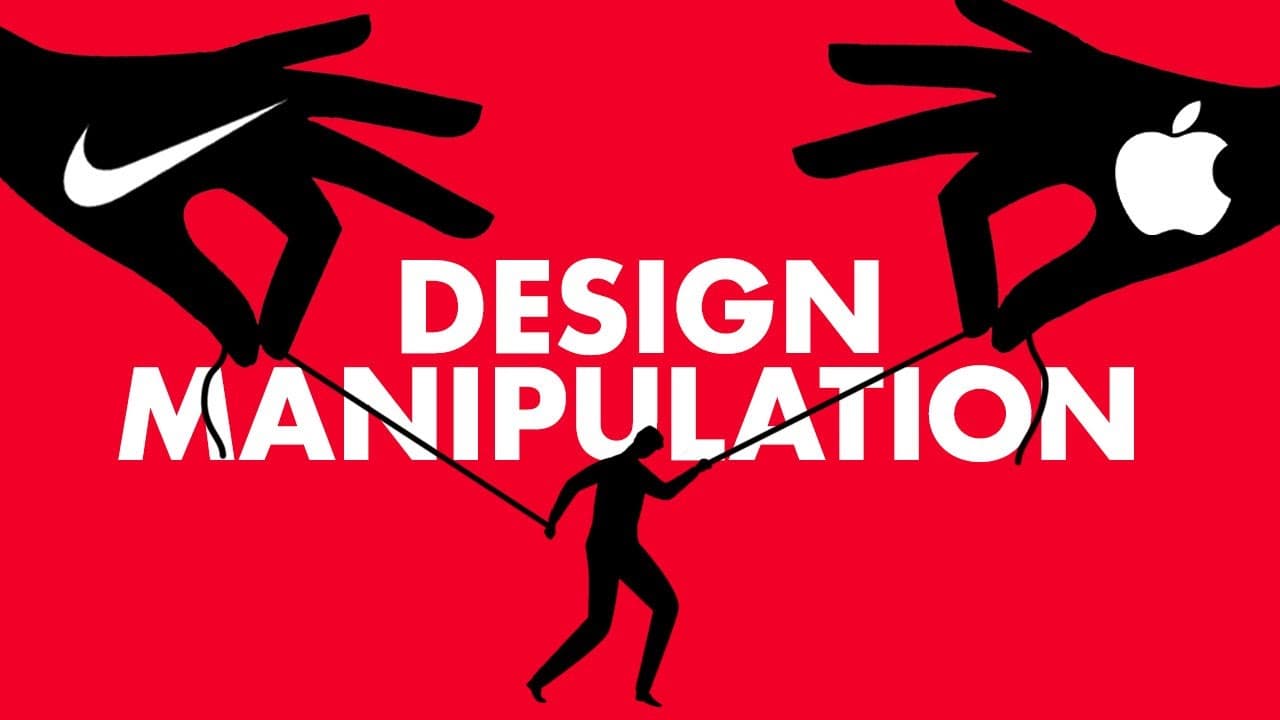
Brands strategically employ design and marketing to shape consumer perceptions and behaviors. By leveraging emotions, visual cues, and authority, they create tribal identities that foster loyalty, often straddling ethical boundaries. Awareness of these tactics can empower consumers to make informed purchasing decisions.
Transcript
Brands can profoundly shape our actions and even our physiology this is Tylenol and this is generic store brand medicine they have the exact same ingredients so they should work the same but they don't if one of the pills costs more it'll be more effective even the color of a pill and its packaging can dictate how effective it is it's all in The Br... Read More
Key Insights
- Brands can manipulate perception and effectiveness of products through design elements like packaging and pricing, influencing consumer behavior.
- Branding creates tribal identities, making consumers feel part of a group, which can drive loyalty and influence purchasing decisions.
- Visual shorthand in design, such as toothpaste stripes, creates perceived value by suggesting multiple benefits, even if not functionally necessary.
- Brands leverage authority and social proof to influence consumer decisions, often using celebrity endorsements or expert opinions to build trust.
- Scarcity tactics create urgency and desire, often leading to irrational buying decisions due to fear of missing out.
- Unity and tribalism in branding can lead to strong consumer loyalty, but also risk backlash if the brand's values clash with consumer beliefs.
- Some brands openly acknowledge their manipulative tactics, using humor and transparency to build consumer trust and engagement.
- Ethical branding should focus on educating rather than manipulating consumers, ensuring that marketing claims align with reality.
Install to Summarize YouTube Videos and Get Transcripts
Explore YouTube Video Summarizer or Get YouTube Transcript Extractor
Questions & Answers
Q: How do brands manipulate consumer perceptions?
Brands manipulate consumer perceptions through design elements like packaging, pricing, and visual shorthand. By altering these elements, they can influence how consumers perceive the effectiveness and value of a product, even if there is no actual difference in quality or ingredients. This can lead to consumers making decisions based on perceived benefits rather than actual ones.
Q: What role does tribalism play in branding?
Tribalism in branding creates a sense of belonging among consumers, making them feel part of a group with shared values and identities. Brands leverage this by aligning themselves with certain social or cultural causes, encouraging consumers to see the brand as part of their personal identity. This can lead to strong loyalty and advocacy, but also risks alienating those who do not share the same values.
Q: How do scarcity tactics influence consumer behavior?
Scarcity tactics create a sense of urgency and exclusivity, making consumers believe that a product is more valuable or desirable because it is limited in availability. This fear of missing out can lead to impulsive purchasing decisions, as consumers prioritize acquiring the scarce item over rational considerations of need or utility. Brands often use this tactic to drive sales and create buzz around product launches.
Q: Why do brands use authority in their marketing?
Brands use authority in marketing to build trust and credibility with consumers. By associating their products with experts, celebrities, or authoritative figures, brands can influence consumer perceptions and decisions. Consumers are more likely to trust and purchase products endorsed by perceived authorities, even if these endorsements are not based on expertise or factual information.
Q: What is the impact of social proof in marketing?
Social proof influences consumer decisions by suggesting that a product is popular or highly rated by others. This reliance on others' opinions can lead consumers to choose products based on perceived popularity rather than personal preference or need. Brands often highlight customer reviews, testimonials, or sales figures to create a sense of social validation, encouraging consumers to follow the crowd.
Q: How do some brands use humor and transparency in their marketing?
Some brands use humor and transparency to acknowledge their manipulative tactics, creating a sense of camaraderie with consumers. By openly admitting their marketing strategies, these brands build trust and engagement, making consumers feel like they are in on the joke. This approach can differentiate the brand and foster loyalty, as consumers appreciate the honesty and playful nature of the marketing.
Q: What is the difference between educating and manipulating consumers?
Educating consumers involves providing information that benefits them, allowing them to make informed decisions with their consent. In contrast, manipulating consumers involves influencing their decisions for the brand's benefit, often without their awareness or consent. Ethical branding focuses on education, ensuring that marketing claims are truthful and transparent, while manipulation relies on exploiting psychological tactics for profit.
Q: How do brands create meaning through storytelling?
Brands create meaning by associating their products with stories, symbols, and cultural narratives that resonate with consumers. This storytelling adds perceived value to products, as consumers are drawn to the emotions and identities these stories evoke. By crafting compelling narratives, brands can differentiate themselves and foster deeper connections with their audience, turning products into symbols of personal or cultural significance.
Summary & Key Takeaways
-
Brands use design and marketing tactics to manipulate consumer perceptions and behaviors, often creating tribal identities and leveraging authority to build loyalty.
-
Visual elements, scarcity, and social proof are commonly used to influence purchasing decisions, sometimes leading to ethical concerns about manipulation.
-
Some brands openly acknowledge their tactics, using humor and transparency to build trust, while ethical branding emphasizes education over manipulation.
Read in Other Languages (beta)
Share This Summary 📚
Summarize YouTube Videos and Get Video Transcripts with 1-Click
Try YouTube Summary with ChatGPT & Claude or YouTube Transcript Generator
Explore More Summaries from Design Theory 📚

Summarize YouTube Videos and Get Video Transcripts with 1-Click
Try YouTube Summary with ChatGPT & Claude or YouTube Transcript Generator