Tips for new PIs and group leaders #academia #mentoring #postdoc #faculty #assistantprofessor
TL;DR
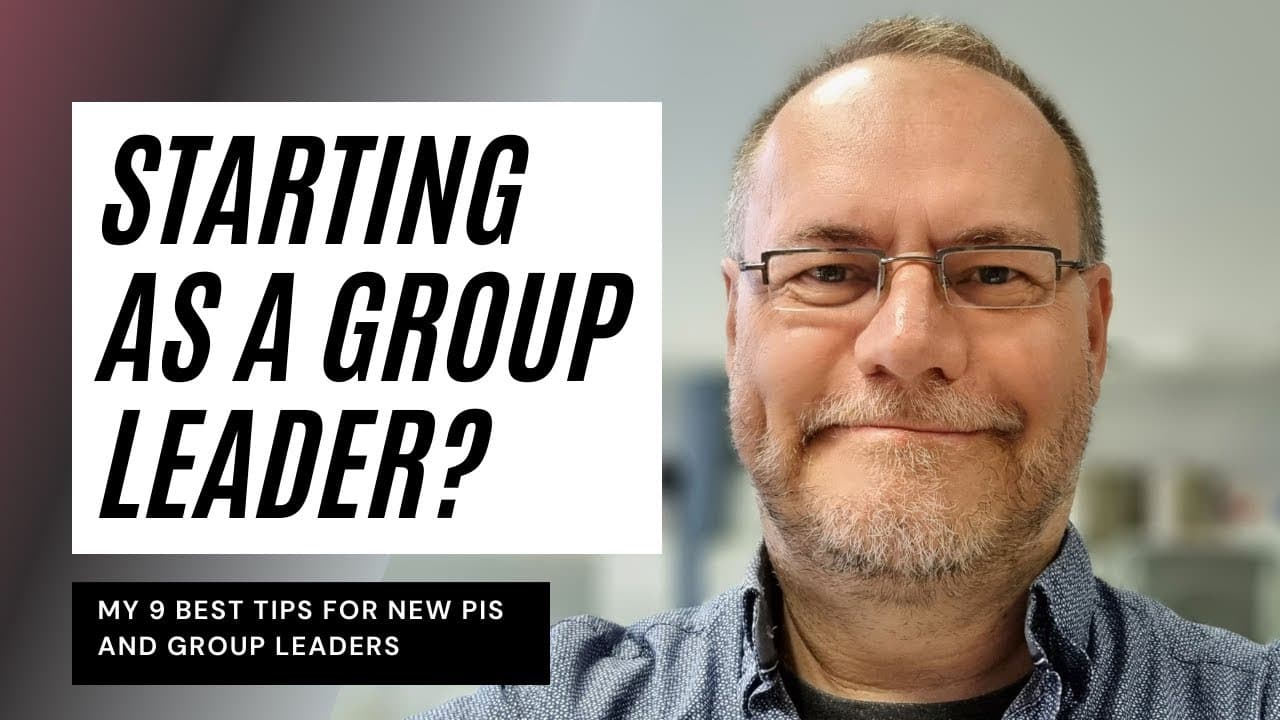
Starting as a Pi or group leader can be challenging, but it is crucial to hire the right people, set the right culture, prioritize output, secure grants, focus on a specific research area, establish solid teaching, invest in your immediate surroundings, mentor effectively, and maintain a healthy work-life balance.
Transcript
hi there starting as a pi can be a very challenging time it's also a very critical time to establish yourself as a scientist and therefore I very often get asked what are my best tips for starting Pi or group leader and here are my nine best tips the first point and this is not by Chance the first point is higher the right people this is difficult ... Read More
Key Insights
- 🗯️ Hiring the right people for your lab is crucial for long-term success and requires careful selection and trust in your instincts.
- 😫 Setting the culture for your lab from the start is important for building a positive and productive team spirit.
- 🤩 Prioritizing research output and securing grants is key, but building productive networks and collaborations is equally important.
- 🤪 Secure basic grants before going after prestigious ones to increase your probability of success.
- 👨🔬 Focus on establishing expertise in a specific research area to enhance your chances of securing grants, publishing papers, and gaining recognition.
- ⌛ Solid teaching is important, and using templates for course design can save time and effort.
- 🔬 Investing in your immediate surroundings, including colleagues and committees, can provide valuable support and networking opportunities.
- 😤 Effective mentoring is essential for building a successful team and passing on your values to the next generation of scientists.
Install to Summarize YouTube Videos and Get Transcripts
Explore YouTube Video Summarizer or Get YouTube Transcript Extractor
Questions & Answers
Q: How should I approach hiring people for my lab as a new Pi or group leader?
Hiring the right people is critical for a successful lab. Be selective in your interviews, trust your instincts, and don't rush to fill positions. It's better to keep a position vacant than hire someone you might later regret.
Q: How important is it to set the culture for my lab?
Setting the culture for your lab is essential. It includes determining how lab meetings are structured, how people interact with each other, and even establishing lab traditions. A positive and cohesive team spirit can greatly enhance productivity and collaboration.
Q: What should I prioritize as a new Pi or group leader?
Research output and securing grants are important, but also focus on building productive networks outside of your lab. Collaborations can greatly increase your chances of securing grants and expanding your research impact.
Q: Should I go after prestigious grants right away?
While it's tempting to go for the shiny, prestigious grants, it's advisable to first secure basic grants to establish your lab. Build a track record of success before aiming for the more competitive grants to increase the probability of funding.
Q: How broad should I be in terms of research focus?
It's advisable to be somewhat multivalent to enable collaborations, but in the beginning, it's best to invest majorly in one specific research area. Establishing expertise and credibility in a certain area will make it easier to secure grants, publish papers, and gain recognition in the field.
Q: How should I approach teaching as a new Pi or group leader?
Teaching is important but can be time-consuming. Use templates from colleagues or the internet when designing courses, so you're not starting from scratch. Focus on delivering solid teaching initially, with the understanding that you can incrementally improve it in subsequent years.
Q: How can I invest in my immediate surroundings as a Pi or group leader?
Take an interest in what's happening in your department or institution. Attend meetings, socialize with colleagues, and participate in departmental activities. Your local colleagues can provide valuable information and support throughout your career.
Q: How important is mentoring as a Pi or group leader?
Mentoring is crucial for building a successful team and passing on your values. It's also your responsibility to educate and guide the next generation of scientists. Effective mentoring will contribute to the overall success of your lab.
Q: How can I maintain a healthy work-life balance as a new Pi or group leader?
Starting as a Pi or group leader can be stressful, but it's important to prioritize your mental health. Learn to say no to excessive demands, take regular breaks, and find a balance that works for you. Your well-being is fundamental to your long-term success.
Summary & Key Takeaways
-
Hiring the right people for your lab is crucial, so be selective, trust your instincts, and keep positions vacant if necessary.
-
Set the culture for your lab, including how lab meetings are structured and how people interact with each other.
-
Prioritize research output, but also invest in building productive networks and connections.
-
Secure basic grants before going after prestigious ones, and focus on establishing expertise in a specific research area.
-
Solid teaching is important, so use templates to design courses and constantly improve them.
-
Invest in your immediate surroundings, build relationships with colleagues, and make valuable contributions in committees.
-
Mentoring is essential for building a successful team and passing on values.
-
Maintain a healthy work-life balance, learn to say no, and take regular breaks to prioritize mental health.
Read in Other Languages (beta)
Share This Summary 📚
Summarize YouTube Videos and Get Video Transcripts with 1-Click
Try YouTube Summary with ChatGPT & Claude or YouTube Transcript Generator
Explore More Summaries from Life in academia 📚





Summarize YouTube Videos and Get Video Transcripts with 1-Click
Try YouTube Summary with ChatGPT & Claude or YouTube Transcript Generator