My Disturbing Experiences In South Sudan - Indian Soldier Reveals
TL;DR
Insight into the complex nature of the South Sudan conflict and personal accounts from an officer involved.
Transcript
welcome to TRS Clips just know we've built this channel so that you binge watch the entire podcast through the highlights of different episodes like this video but first enjoy it I think this is a great point to actually begin speaking about Sudan and we've had Colonel berwan on the show okay give us a little brief kind of insight into the situatio... Read More
Key Insights
- 🇸🇸 The South Sudan conflict is deeply rooted in historical tribal tensions, primarily between the Dinka and Nuer tribes.
- 🇸🇸 The violence in South Sudan escalated dramatically after the failed coup in December 2013, leading to widespread chaos and fighting.
- 😀 Military personnel often experienced moral dilemmas when faced with the realities of combat and their duty to protect civilians.
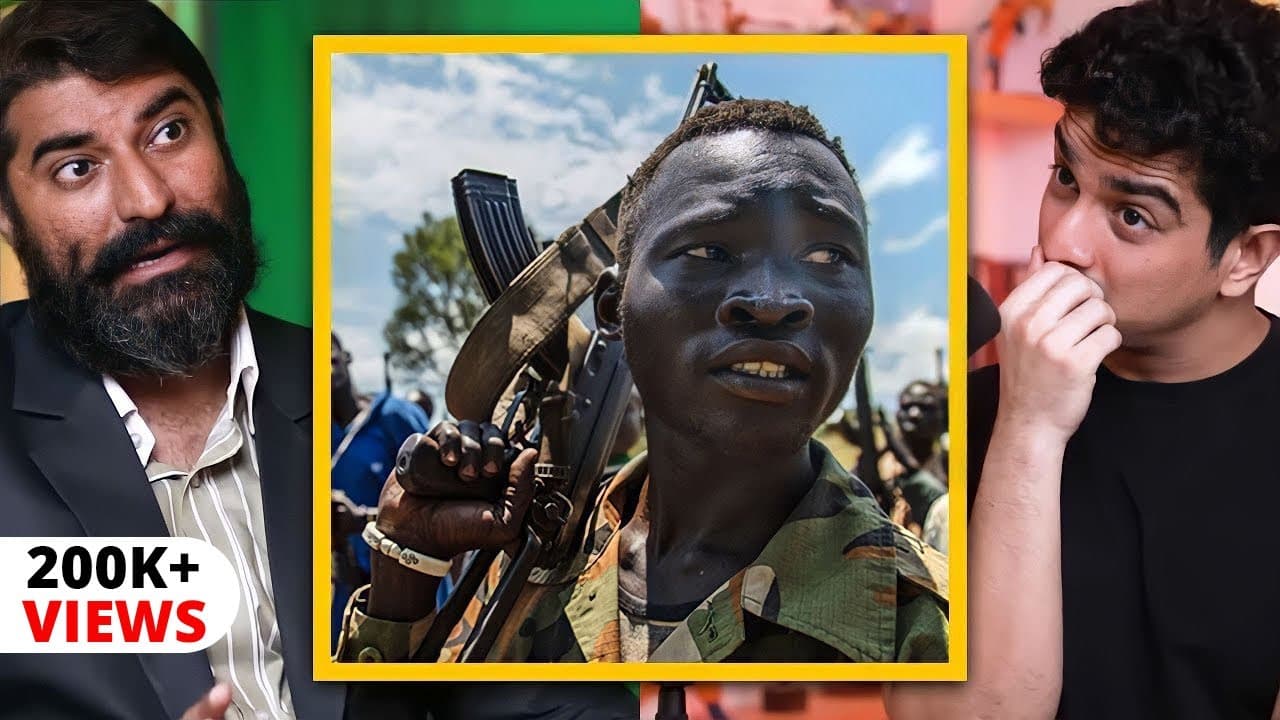
- 🇸🇸 The presence of child soldiers highlighted the tragic impact of war on future generations in South Sudan.
- 😒 Drug use among combatants contributed to aggressive behavior, complicating conflict management and resolution efforts.
- 👊 Civilians became collateral damage during armed clashes and often experienced brutal attacks and displacements.
- 😀 International aid organizations faced significant challenges in delivering help and ensuring the safety of at-risk populations amidst ongoing violence.
Install to Summarize YouTube Videos and Get Transcripts
Explore YouTube Video Summarizer or Get YouTube Transcript Extractor
Questions & Answers
Q: What are the main tribes involved in the South Sudan conflict?
The primary tribes implicated in the South Sudan conflict are the Dinka and Nuer. President Salva Kiir belongs to the Dinka tribe, while Vice President Riek Machar is from the Nuer tribe. Historical tensions between these tribes, which date back to incidents like the massacres of the early 1990s, have significantly shaped the violent landscape of South Sudan.
Q: What was the situation like for civilians during the conflict?
Civilians faced extreme hardship during the South Sudan conflict, often leading to mass displacements. At one point, 15,000 refugees were reported to have fled into military camps. The chaotic violence resulted in a dire humanitarian crisis, with civilians constantly under threat from armed groups and suffering from lack of basic necessities.
Q: How did the presence of child soldiers affect the conflict?
The recruitment of child soldiers profoundly affected the dynamics of the conflict. These young combatants often operated with little regard for protocol, carrying weapons and engaging in violence. Their presence instilled fear among both military personnel and the local population, highlighting the tragic reality of a generation caught in war.
Q: What challenges did military personnel face in South Sudan?
Military personnel faced tremendous challenges, including operational chaos, lack of backup, and the unpredictability of enemy forces. The conflict often placed soldiers in life-threatening situations, as they had to manage skirmishes against overwhelming numbers while also protecting civilian lives amidst chaotic circumstances.
Q: Can you explain the significance of the failed military coup in December 2013?
The failed military coup in December 2013 acted as a catalyst for escalating violence in South Sudan. After attempts by Riek Machar to overthrow President Kiir, clashes between the Dinka and Nuer tribes intensified, leading to large-scale massacres and a breakdown of military discipline, resulting in rogue elements within the army attacking each other.
Q: How did drug use among rebels impact combat situations?
Drug use among rebels significantly influenced combat dynamics, as fighters under the influence exhibited unpredictable and aggressive behavior. This lack of inhibition made them more dangerous, as many were willing to engage in violence without regard for consequences, frustrating efforts to negotiate the safety of civilians.
Q: What role did international organizations play during the conflict?
International organizations, including the United Nations, played critical roles in providing humanitarian assistance and attempting to mediate peace. However, their effectiveness was often hampered by the chaotic situation, with limited protection for refugees, as demonstrated by attacks on UN bases during the conflict.
Q: How did the geographical landscape affect military operations in South Sudan?
The geographical landscape of South Sudan posed formidable challenges for military operations. With limited infrastructure and a terrain lacking cover, soldiers were vulnerable to ambushes. This lack of escape routes meant that troops had to rely heavily on strategic planning and operational readiness to navigate the threats they faced.
Summary & Key Takeaways
-
The content discusses the tumultuous situation in South Sudan, emphasizing the historical tribal tensions between the Dinka and Nuer tribes, which erupted into violence in 2013.
-
The speaker shares personal experiences from his time serving in South Sudan, highlighting harrowing moments like receiving the remains of fallen soldiers and the chaos of armed skirmishes.
-
The video illustrates the impact of prolonged conflict on both military personnel and civilians, revealing the use of child soldiers and the dire conditions faced by refugees.
Read in Other Languages (beta)
Share This Summary 📚
Summarize YouTube Videos and Get Video Transcripts with 1-Click
Try YouTube Summary with ChatGPT & Claude or YouTube Transcript Generator
Explore More Summaries from TRS Clips 📚





Summarize YouTube Videos and Get Video Transcripts with 1-Click
Try YouTube Summary with ChatGPT & Claude or YouTube Transcript Generator