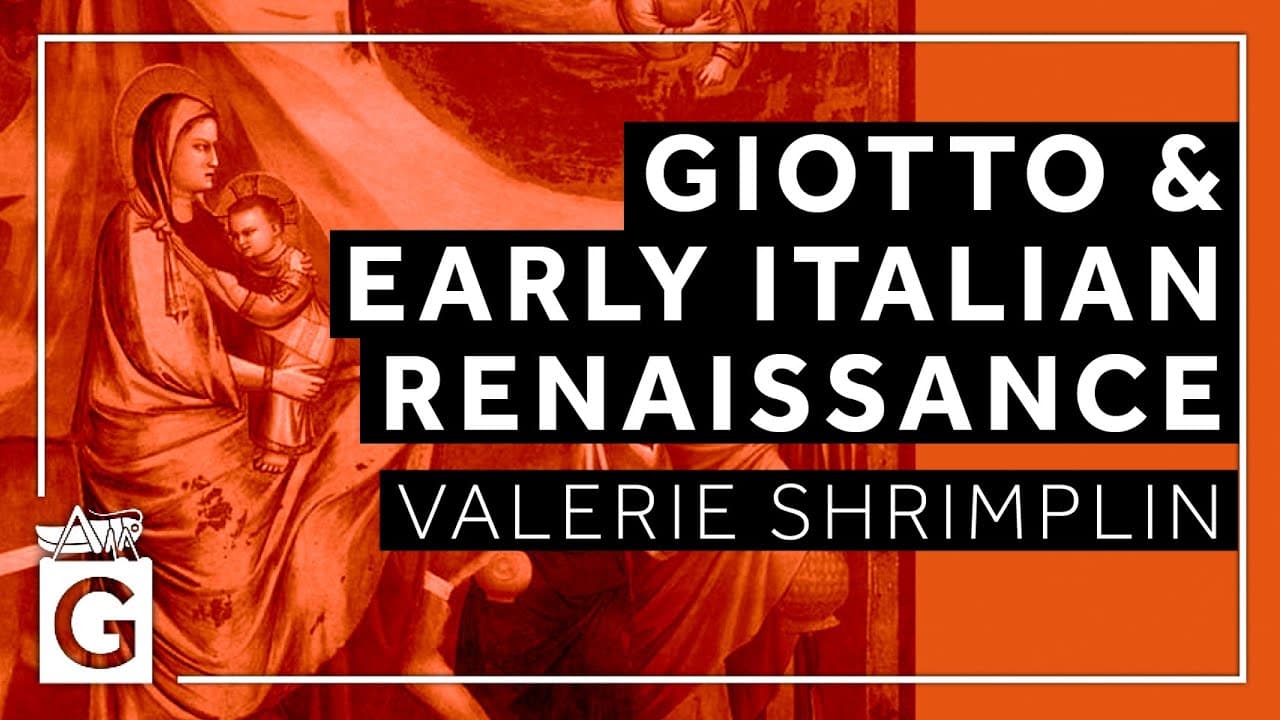
Giotto and the Early Italian Renaissance
TL;DR
Early Italian Renaissance art, from Giotto to Lorenzetti, reflects stylistic cross-currents and societal changes.
Transcript
- Hello everyone, and I'm very glad to be back at question college. And today I'm going to speak about one of my favorites subjects, the Italian Renaissance. I'm going to focus on Giotto in the early Italian Renaissance, but first I want to provide an overview. I'm going to talk a little bit first about the purpose of art history, the historical co... Read More
Key Insights
- 〽️ The shift from Byzantine to Proto-Renaissance art was marked by a focus on naturalism, emotions, and a more realistic depiction of human figures.
- 🥰 The Black Death significantly impacted art, leading to thematic shifts towards piety, atonement, and reflections on mortality.
- 😑 The Sienese School's emphasis on linearity and lyrical expressions contrasted with the monumental and realistic styles of other Renaissance artists.
Install to Summarize YouTube Videos and Get Transcripts
Explore YouTube Video Summarizer or Get YouTube Transcript Extractor
Questions & Answers
Q: How did Giotto's works signify a shift in art during the Proto-Renaissance?
Giotto's realistic depiction of human emotions, use of perspective, and naturalistic approach marked a departure from the stylized Byzantine art, paving the way for the Renaissance art movement.
Q: What impact did the Black Death have on art in the mid-14th century?
The Black Death led to a surge in religious piety, reflected in artworks that depicted austere religious themes and emphasized the need for atonement and salvation.
Q: How did the Sienese School differ from other art styles during the Proto-Renaissance?
The Sienese School focused on linearity and lyrical expressions, contrasting with the monumental volume and realism seen in works by artists like Giotto, emphasizing a more emotive and decorative approach to art.
Q: What societal changes influenced the art of the Italian Renaissance period?
Economic prosperity, political shifts, religious reformations, and a growing interest in scientific observation and perspective profoundly influenced the art of the Italian Renaissance, leading to a blend of classical revival and humanistic ideas in artistic expression.
Summary & Key Takeaways
-
Art history teaches us to appreciate creative expressions of the past and understand different cultural influences.
-
The Italian Renaissance reflected societal growth, changes in religious thought, and the transition to rational inquiry.
-
Artists like Giotto, Cimabue, and the Lorenzetti brothers blended Byzantine, Romanesque, and Gothic styles in their works, shaping the Proto-Renaissance period.
Read in Other Languages (beta)
Share This Summary 📚
Summarize YouTube Videos and Get Video Transcripts with 1-Click
Try YouTube Summary with ChatGPT & Claude or YouTube Transcript Generator
Explore More Summaries from Gresham College 📚
Summarize YouTube Videos and Get Video Transcripts with 1-Click
Try YouTube Summary with ChatGPT & Claude or YouTube Transcript Generator