How To Keep Stress From Shriveling Your Brain Into A Raisin
TL;DR
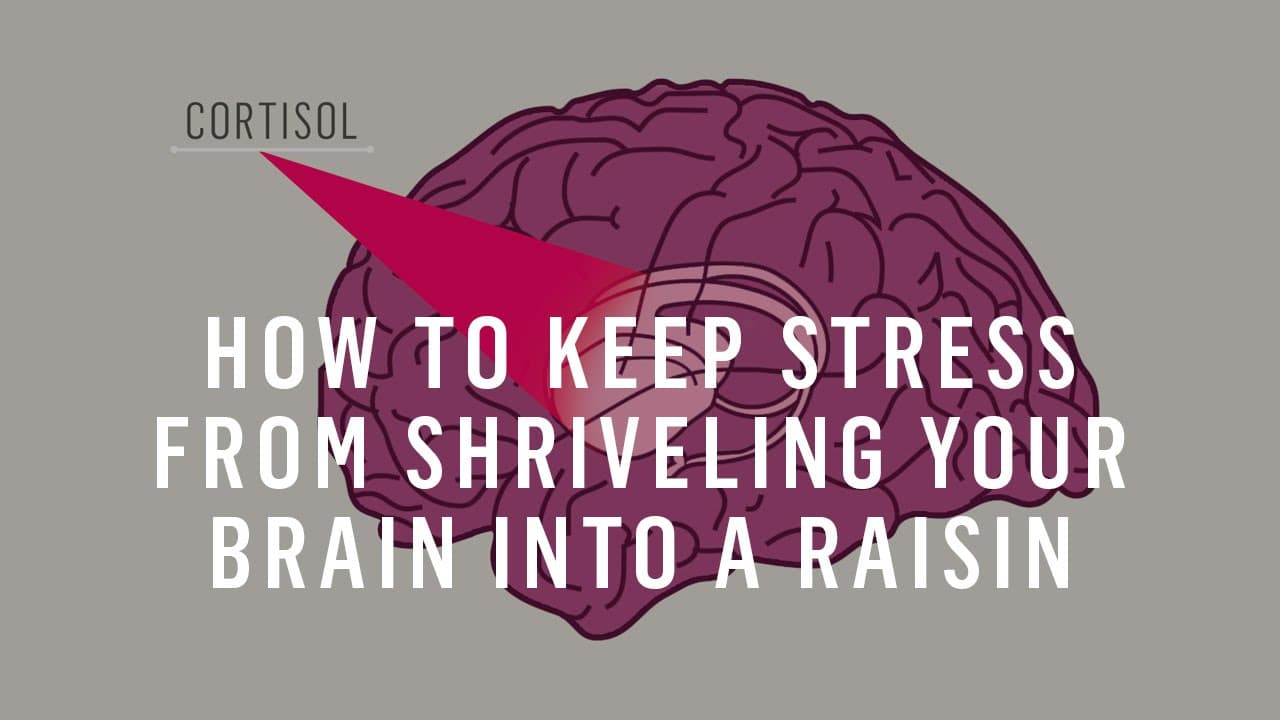
Chronic stress leads to brain shrinkage, affecting learning, memory, and emotional regulation.
Transcript
Hey, it’s Marie Forleo and you are watching MarieTV, the place to be to create a business and a life that you love like this. Now, today I wanna talk to you about something that we all do that is scientifically proven to make us dumber. Now, the good news is that we can all stop doing it immediately and the fix really is quite simple. So what are w... Read More
Key Insights
- 🥺 Chronic stress can have long-term effects on brain structure and function, leading to cognitive decline.
- 🎁 Stress management involves accepting the present moment and choosing appropriate actions.
- 👋 Embracing good stress while mitigating bad stress is crucial for overall well-being.
- 🥺 Stress can impact emotional regulation, leading to mood swings and meltdowns.
- 🎁 Mr. Eckhart Tolle's advice on stress management emphasizes accepting the present reality.
- 🥡 Taking action or practicing acceptance can help individuals alleviate stress and its negative effects.
- 🚃 Physical activities like car dancing can be a fun way to cope with unavoidable stressors.
Install to Summarize YouTube Videos and Get Transcripts
Explore YouTube Video Summarizer or Get YouTube Transcript Extractor
Questions & Answers
Q: How does chronic stress affect the brain?
Chronic stress can trigger changes in brain structure and function, leading to cognitive impairment and emotional instability. The stress hormone cortisol can kill, shrink, and inhibit the generation of new neurons in vital brain regions.
Q: What are the two types of stress mentioned in the content?
The content distinguishes between good stress, which can motivate and improve performance, and bad stress, which is chronic and detrimental to brain health. Good stress arises in high-pressure situations, whereas bad stress causes anxiety and frustration.
Q: What is the impact of chronic stress on emotional regulation?
Chronic stress can impair emotional regulation, leading to increased anxiety, depression, and emotional outbursts. The brain changes caused by stress can make individuals more prone to meltdowns and mood swings.
Q: How can one reduce the negative effects of stress?
By embracing the present moment, accepting "what is," and choosing appropriate actions, individuals can manage stress effectively. Making isness your business and taking action based on the situation can help mitigate stress-induced brain shrinkage.
Summary & Key Takeaways
-
Chronic stress can lead to changes in brain structure and function, causing cognitive impairment and emotional instability.
-
Stress can be categorized into good stress, which can improve performance, and bad stress, which negatively impacts the brain.
-
Embracing the present moment and choosing appropriate actions can help manage and reduce the negative effects of stress.
Read in Other Languages (beta)
Share This Summary 📚
Summarize YouTube Videos and Get Video Transcripts with 1-Click
Try YouTube Summary with ChatGPT & Claude or YouTube Transcript Generator
Explore More Summaries from The Marie Forleo Podcast 📚





Summarize YouTube Videos and Get Video Transcripts with 1-Click
Try YouTube Summary with ChatGPT & Claude or YouTube Transcript Generator