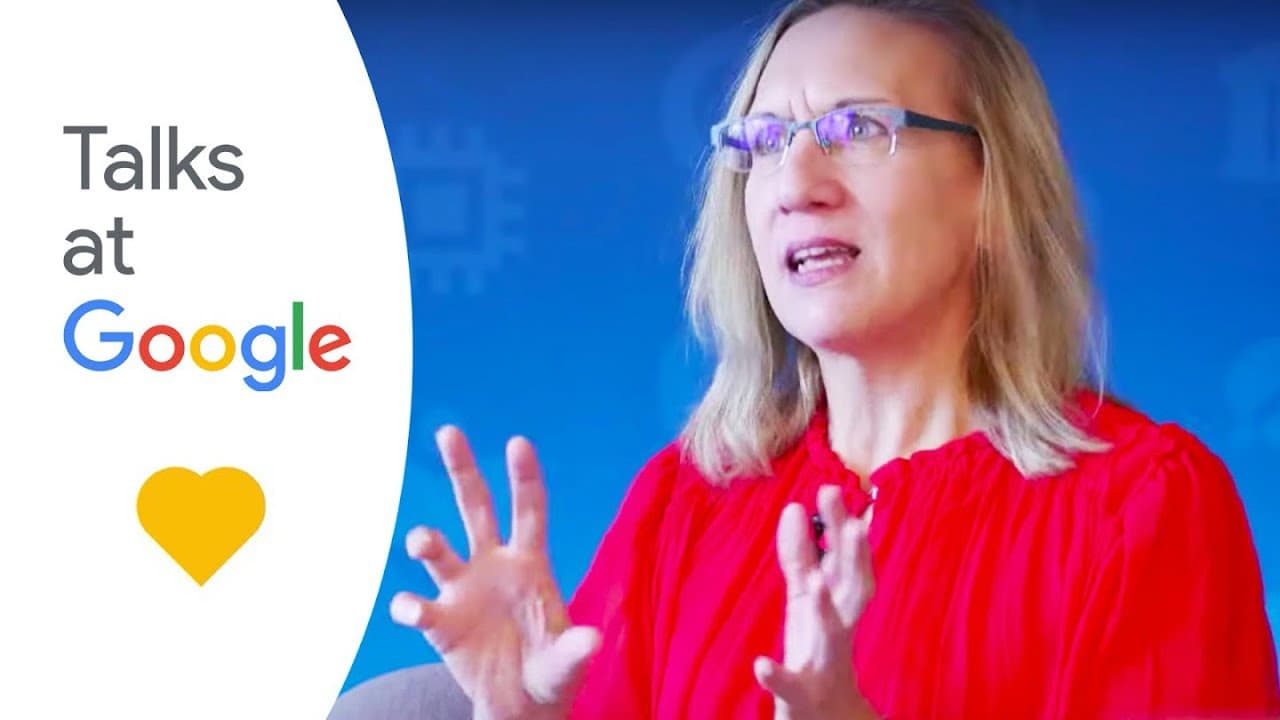
Widen The Window | Dr. Elizabeth Stanley | Talks at Google
TL;DR
Dr. Stanley discusses stress, trauma, and resilience, emphasizing the continuum between stress and trauma and the importance of self-regulation for recovery.
Transcript
[MUSIC PLAYING] [APPLAUSE] CARLA MCINTOSH: Thank you, everyone so much for being here today. I'm very excited and honored to be sitting here with Dr. Stanley. And this book I can tell you will resonate with so many of you. From the very first page that I read, I knew it was the right book for me. And I knew that it would be impactful for those who ... Read More
Key Insights
- 🍝 Stress and trauma are part of a continuum, with stress becoming traumatic when linked to triggers from past experiences of powerlessness.
- 🤳 Self-regulation and recovery are essential for navigating stress and trauma, with a focus on bridging understanding between veterans and civilians.
- 💁 Information overload and media multitasking can contribute to chronic stress and narrow windows of resilience, impacting overall well-being.
- 🧑⚕️ Veterans and civilians can support each other by reframing judgments and recognizing the impact of early life experiences on mental health.
- 😨 Dr. Stanley's work focuses on empowering individuals to build resilience through self-care practices and mindfulness-based training.
- 💉 Institutions and organizations play a role in shaping stress and trauma in individuals, highlighting the need for structural changes to support mental health.
- 🤳 Media multitasking and information overload can exacerbate stress and reduce resilience, emphasizing the importance of self-regulation and recovery practices.
Install to Summarize YouTube Videos and Get Transcripts
Explore YouTube Video Summarizer or Get YouTube Transcript Extractor
Questions & Answers
Q: How does Dr. Stanley differentiate between stress and trauma in her book?
Dr. Stanley explains that stress and trauma exist on a continuum, with stress being the body's response to threat or challenge, and trauma occurring when the stress becomes overwhelming due to perceived powerlessness or lack of control.
Q: Why is it important for Dr. Stanley to discuss stress and trauma on Veterans Day?
Dr. Stanley believes that the military community faces unique challenges related to stress and trauma, and on Veterans Day, she aims to bridge the understanding between civilians and veterans to address misconceptions and promote healing.
Q: How does Dr. Stanley connect her personal experiences to the themes of stress and trauma in her book?
Dr. Stanley shares her own journey of overcoming stress and trauma, recognizing the importance of personal healing in understanding the broader implications of stress and trauma in society.
Q: What strategies does Dr. Stanley suggest for individuals to widen their window of tolerance to stress arousal?
Dr. Stanley encourages individuals to focus on self-care practices, such as getting more sleep, and training themselves to build resilience through mindfulness-based techniques and awareness of their habits and behaviors.
Summary & Key Takeaways
-
Dr. Stanley explores the continuum between stress and trauma, emphasizing the role of self-regulation in recovery.
-
She discusses the impact of stress and trauma on military veterans and the importance of bridging the gap between civilians and the military.
-
The book "Widening the Window" focuses on understanding the science behind stress, trauma, and resilience, offering insights into how individuals can recover and build resilience.
Read in Other Languages (beta)
Share This Summary 📚
Summarize YouTube Videos and Get Video Transcripts with 1-Click
Try YouTube Summary with ChatGPT & Claude or YouTube Transcript Generator
Explore More Summaries from Talks at Google 📚
Summarize YouTube Videos and Get Video Transcripts with 1-Click
Try YouTube Summary with ChatGPT & Claude or YouTube Transcript Generator