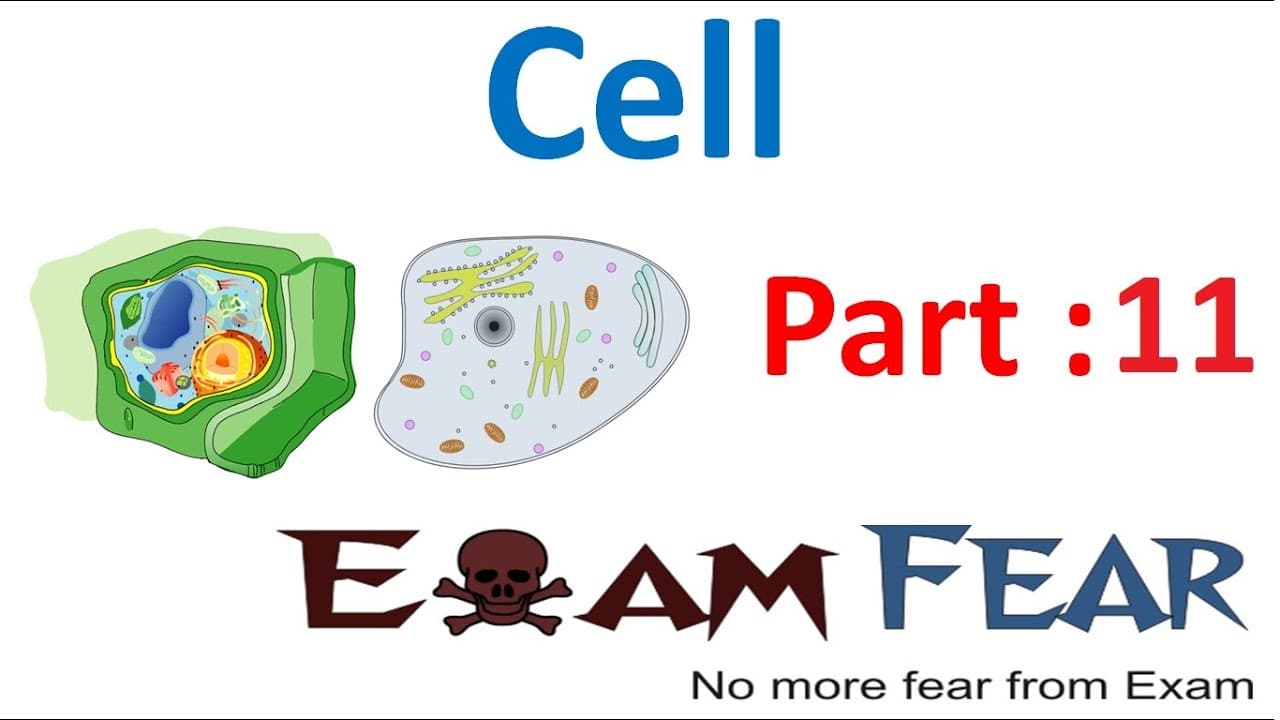
Biology Cell Part 11 (Nucleus Structure) Class 8 VIII
TL;DR
The video explains the structure of the nucleus, including the nuclear membrane, nuclear pores, nucleoplasm, nucleolus, chromatin, and chromosomes, as well as their functions and importance in cell biology.
Transcript
hello friends this video on self at eleven is brought to you by exam feel calm no more fear from exam so now that we have discussed this let us look at the structure of nucleus so this is how nucleus looks like so this is not the entire cell just the nucleus as I said the nucleus is surrounded by a nuclear membrane so if you see here this is your e... Read More
Key Insights
- 💁 The nucleus is a vital organelle in a cell and is responsible for storing genetic information and controlling cellular processes.
- 🇸🇬 The nuclear membrane, nuclear pores, nucleoplasm, nucleolus, chromatin, and chromosomes are all essential components of the nucleus.
- 😣 The nuclear membrane separates the nucleus from the rest of the cell and allows for the exchange of substances through nuclear pores.
- ❓ Nucleoplasm is a fluid that fills the nucleus and contains various components necessary for cellular processes.
- 💁 The nucleolus is involved in ribosome formation, which is crucial for protein synthesis.
- 💁 Chromatin is a thread-like structure that contains DNA, RNA, and proteins and is present in the nucleoplasm. It condenses to form chromosomes during cell division.
- 🖐️ Chromosomes carry genetic information and play a role in inheritance.
Install to Summarize YouTube Videos and Get Transcripts
Explore YouTube Video Summarizer or Get YouTube Transcript Extractor
Questions & Answers
Q: What is the purpose of the nuclear membrane?
The nuclear membrane separates the contents of the nucleus from the rest of the cell and helps maintain the shape of the nucleus. It also contains nuclear pores that allow the exchange of proteins and RNA between the nucleus and the cytoplasm.
Q: What is nucleoplasm?
Nucleoplasm is a fluid that fills the nucleus and contains various components such as nucleoli, chromatin, and chromosomes. It is essential for the functioning of the nucleus and the storage of genetic material.
Q: What is the function of the nucleolus?
The nucleolus is a dense area within the nucleoplasm where ribosome formation takes place. Ribosomes are responsible for protein synthesis, making the nucleolus a crucial component in the production of proteins.
Q: How are chromosomes formed?
Chromosomes are formed when chromatin, which consists of DNA, RNA, and nuclear proteins, condenses during cell division. They contain the genetic information and traits that are passed on from parents to offspring.
Summary & Key Takeaways
-
The nucleus is a spherical structure located in the center of a cell and is surrounded by a nuclear membrane.
-
The nuclear membrane is made up of lipids and proteins and contains nuclear pores, which allow the exchange of substances between the nucleus and the external environment.
-
Inside the nucleus, there is nucleoplasm, a fluid that contains various components such as nucleoli, chromatin, and chromosomes.
Read in Other Languages (beta)
Share This Summary 📚
Summarize YouTube Videos and Get Video Transcripts with 1-Click
Try YouTube Summary with ChatGPT & Claude or YouTube Transcript Generator
Explore More Summaries from LearnoHub - Class 11, 12 📚

Summarize YouTube Videos and Get Video Transcripts with 1-Click
Try YouTube Summary with ChatGPT & Claude or YouTube Transcript Generator