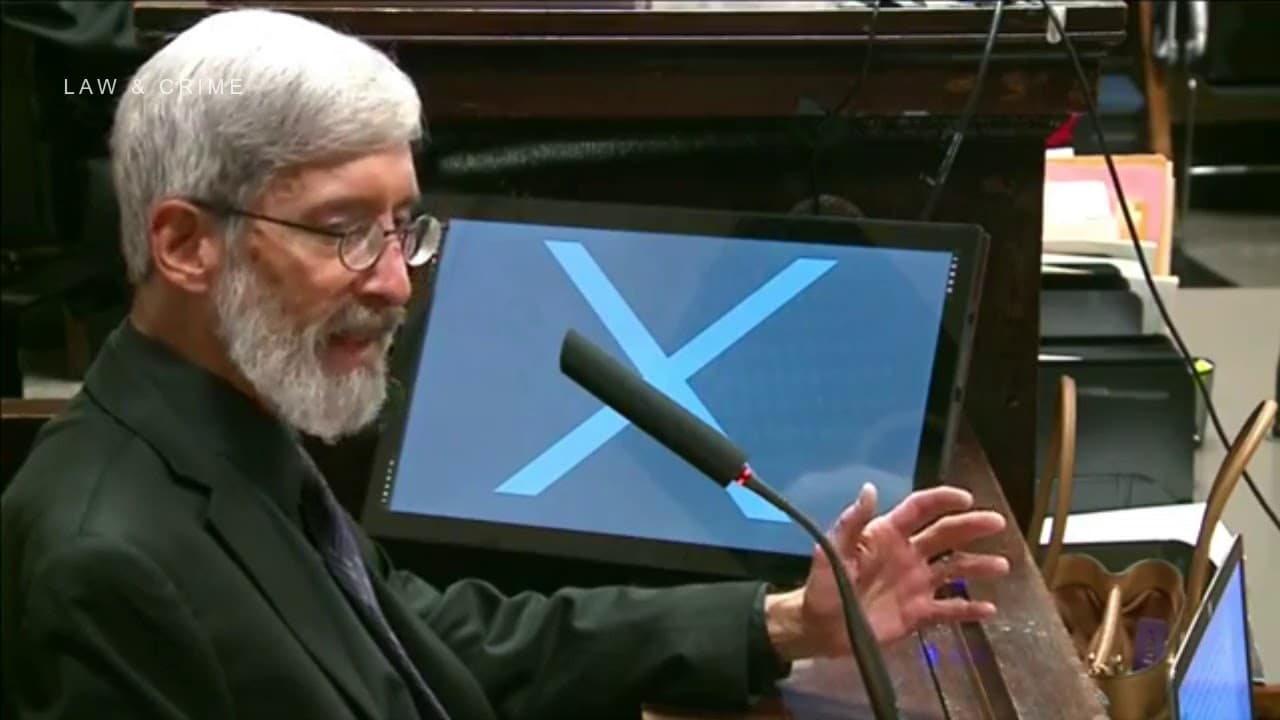
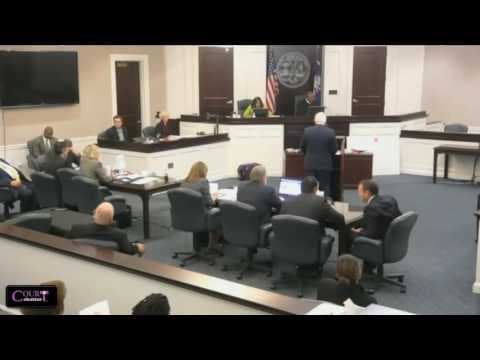
Jason Van Dyke Trial Day 9 Part 1 Dr Lawrence Miller testifies
TL;DR
Psychologist discusses the psychology behind police responses in high-stress situations.
Transcript
it's a lot of energy over there I'm very proud to be with you so here we're going to go through the questions again I'll just state the first you know the two questions and then I'll just go through the numbers all right both questions are have you discussed this case or has anyone discussed this case in front of you all right juror number two four... Read More
Key Insights
- 👮 Police psychologists like Dr. Miller evaluate officers' mental state after critical incidents, ensuring their readiness to return to duty.
- ✋ Perceptual and cognitive distortions, such as tunnel vision and memory impairments, are common in high-stress situations like officer-involved shootings.
- 🖐️ Training and experience play a crucial role in officers' responses to life-threatening encounters, with motor memory programs guiding their actions.
- 🧡 Officers may experience a range of emotional reactions and distorted perceptions during and after critical incidents, impacting their memory and decision-making.
- 👮 Understanding the psychological dynamics of police responses in emergencies can provide insights into officers' behaviors and reactions in challenging situations.
- 👮 Evaluating officers' mental health post-incident is essential to ensuring their well-being and effectiveness in future law enforcement duties.
- 🧠 The brain's complex network of structures and functions regulates officers' responses in emergencies, influencing their perceptions, emotions, and decision-making processes.
Install to Summarize YouTube Videos and Get Transcripts
Explore YouTube Video Summarizer or Get YouTube Transcript Extractor
Questions & Answers
Q: What areas of psychology does Dr. Miller specialize in?
Dr. Miller specializes in clinical psychology, neuropsychology, and forensic psychology, with a focus on police psychology.
Q: What are some common phenomena experienced by officers in high-stress situations?
Officers may experience time distortions, tunnel vision, auditory exclusion, and memory impairments during critical incidents, affecting their perception and responses.
Q: How does the brain's response in emergency situations differ for first responders like police officers?
While civilians often respond to danger by fleeing, first responders like police officers must run towards the danger, heightening their threat perception and stress levels.
Q: What is the significance of cortisol secretion in response to stress?
Cortisol mobilizes energy reserves and suppresses inflammation in the body, preparing individuals to respond to threatening situations and the aftermath of a crisis.
Summary & Key Takeaways
-
Dr. Lawrence Miller, a psychologist, discusses the different branches of psychology he specializes in, including forensic psychology and police psychology.
-
He explains the complex workings of the human brain in high-stress situations, such as officer-involved shootings.
-
Dr. Miller outlines common phenomena experienced by officers, such as time distortions, tunnel vision, and memory impairments, in critical incidents.
Read in Other Languages (beta)
Share This Summary 📚
Summarize YouTube Videos and Get Video Transcripts with 1-Click
Try YouTube Summary with ChatGPT & Claude or YouTube Transcript Generator
Explore More Summaries from Law&Crime Network 📚


Summarize YouTube Videos and Get Video Transcripts with 1-Click
Try YouTube Summary with ChatGPT & Claude or YouTube Transcript Generator