Therapy Can't Fix Everything
TL;DR
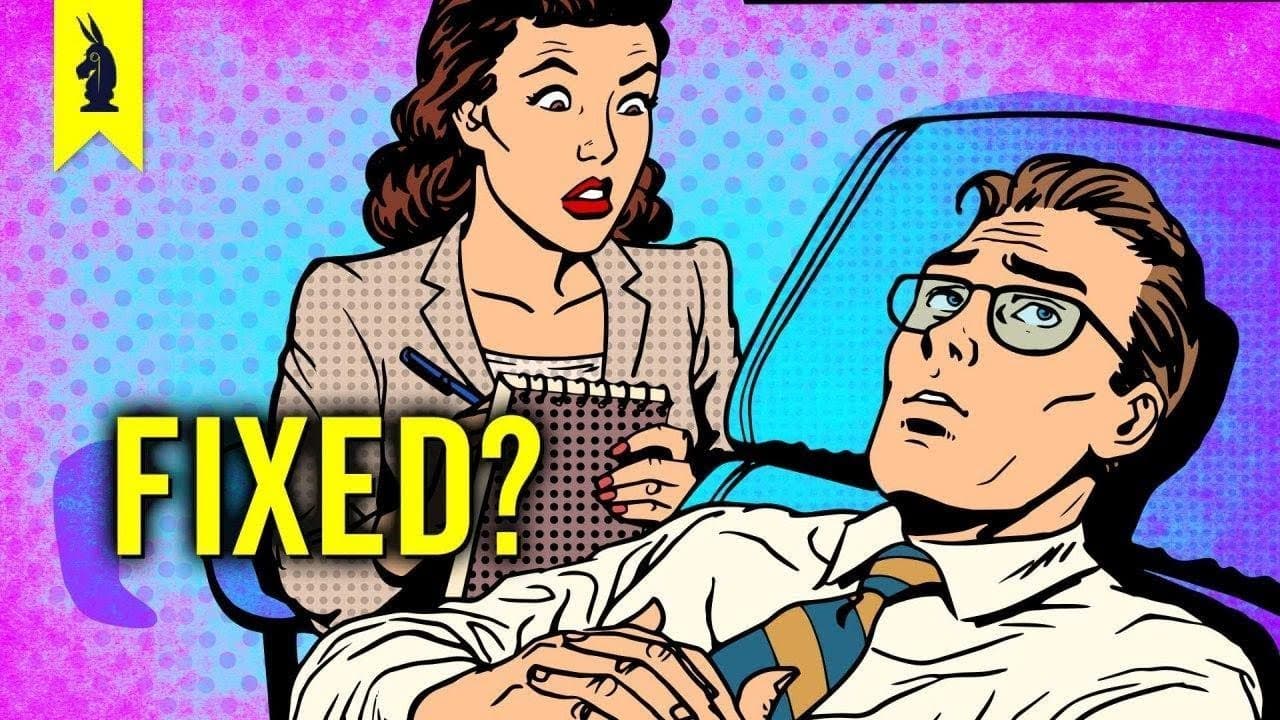
The video examines therapy's evolution, its current approaches, and the challenges of modern mental health treatment.
Transcript
- This video is brought to you by Surfshark VPN. (bright music) What's up, friends? Michael here. Now, at Wisecrack, we love therapy. Getting to monologue to a captive audience for an hour straight? Check. Overcoming lingering demons from that time our mom called us an unplanned miracle? Check. In short, we truly believe that therapy can change peo... Read More
Key Insights
- 🧑⚕️ Historical psychiatry often employed cruel methods, reflecting societal stigma and misconceptions about mental health.
- 🖐️ Freud's psychoanalysis laid the groundwork for understanding emotional trauma, contrasting sharply with modern CBT's quicker, individual-focused methods.
- 🧑⚕️ The rise of mental health apps has made therapy more accessible, yet risks commodifying complex mental health issues into bite-sized solutions.
- 🙈 Employee Assistance Programs can help workers but often ignore deeper systemic issues contributing to employee distress and dissatisfaction.
- 🧑⚕️ CBT is beneficial for many mental health issues but may inadequately address the multifaceted experiences of marginalized individuals.
- 🤳 Modern therapy often emphasizes self-reliance, which can place excessive pressure on individuals to manage their mental health independently.
- 👻 Narrative therapy presents a promising alternative, allowing individuals to reflect on their lives in relation to societal influences and systemic challenges.
Install to Summarize YouTube Videos and Get Transcripts
Explore YouTube Video Summarizer or Get YouTube Transcript Extractor
Questions & Answers
Q: What historical practices did psychiatry employ that were harmful to patients?
Psychiatry historically subjected patients, especially marginalized individuals, to inhumane treatments like confinement in asylums and sterilization. This reflected societal norms where non-conformity often resulted in severe consequences rather than understanding or compassionate care.
Q: How did Freud's approach to therapy differ from modern techniques like CBT?
Freud's psychoanalysis focused on exploring unconscious drives to heal emotional trauma, involving lengthy dialogue with an analyst. Conversely, CBT emphasizes recognizing and changing irrational thought patterns through practical exercises, promoting quicker, more self-directed responses to psychological distress.
Q: What are some of the criticisms regarding the use of CBT in modern therapy?
Critics argue that CBT encourages a "think yourself well" mentality and fails to address deeper, systemic issues contributing to mental health problems. This can result in superficial treatment that overlooks the complexities of an individual's lived experience, particularly for marginalized populations.
Q: How have mental health apps changed the landscape of therapy?
Mental health apps have increased accessibility to mental health resources and provided anonymous support, making it easier for individuals to engage with their mental health. However, they often rely on CBT principles, potentially oversimplifying complex mental health issues and placing full responsibility on users.
Q: What is the significance of Employee Assistance Programs (EAPs) in workplace mental health?
EAPs emerged to support workers facing personal challenges, often aimed at enhancing productivity. While helpful, they risk overlooking systemic workplace issues, leading to a focus on individual compliance rather than addressing the root causes of employees' struggles.
Q: What alternative approaches to therapy are mentioned in the video?
The video discusses narrative therapy, which encourages patients to reassess their self-perception and life stories, addressing the impact of social and systemic factors. This method aims to contextualize individual experiences within broader societal issues, potentially offering a more holistic therapeutic approach.
Q: Why is the patient's engagement in therapy emphasized so heavily in modern practices?
Modern therapy shifts much of the responsibility for healing onto patients, often underpinned by an individualistic approach that aligns with contemporary societal expectations. This can create pressure on individuals to navigate their mental health without adequately addressing systemic barriers they may face.
Q: What future considerations for therapy does the video suggest?
The video suggests that without significant changes in how society approaches mental health treatment—particularly a greater focus on systemic issues—the burden will continue to rest on individuals. Alternative therapies, like narrative therapy, may help reframe the therapeutic process to consider the broader social context.
Summary & Key Takeaways
-
The video discusses the historical context of therapy, emphasizing how early psychiatric practices were often harmful and stigmatized mental health issues, particularly for marginalized communities.
-
It contrasts traditional therapeutic methods, like Freudian psychoanalysis, with modern approaches such as Cognitive Behavioral Therapy (CBT) and the rise of mental health apps, reflecting a shift towards self-managed solutions.
-
The content highlights the critique of therapy's individual focus, noting that systemic issues often go unaddressed and questioning whether modern therapy adequately supports those in need.
Read in Other Languages (beta)
Share This Summary 📚
Summarize YouTube Videos and Get Video Transcripts with 1-Click
Try YouTube Summary with ChatGPT & Claude or YouTube Transcript Generator