What Are the Benefits of Bitcoin Over Fiat Currency?
TL;DR
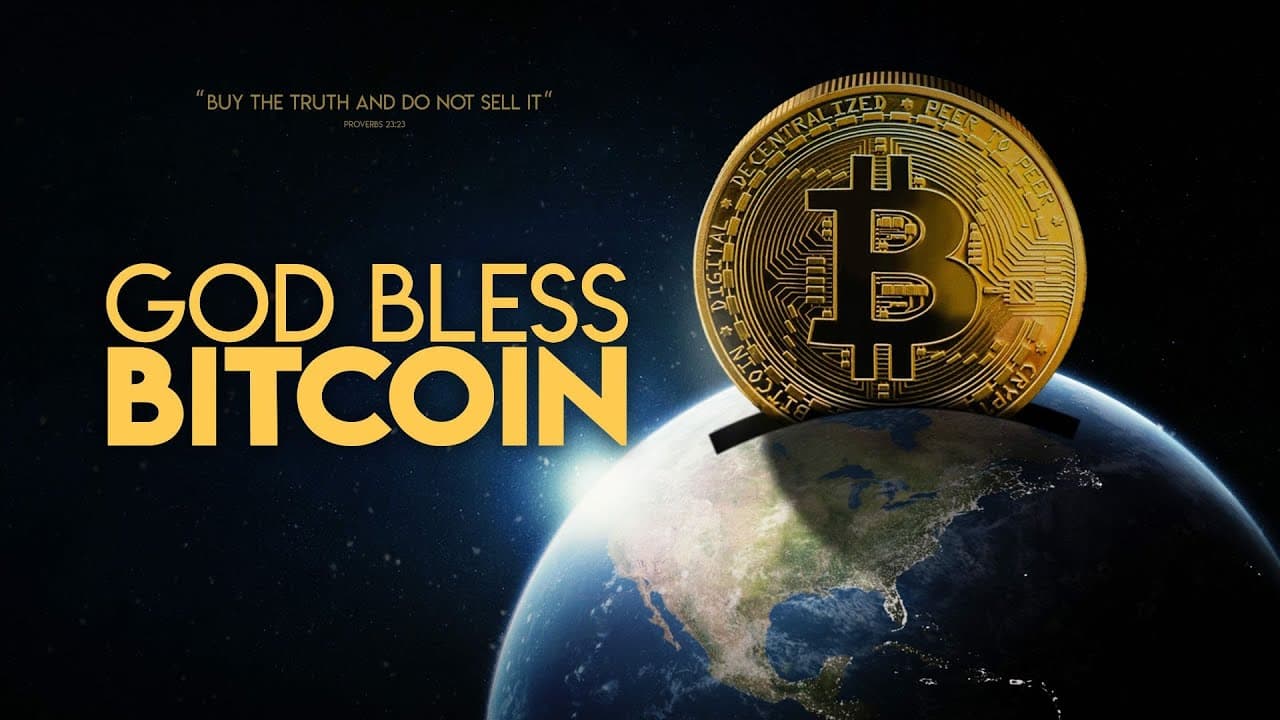
Bitcoin offers a decentralized and inflation-resistant alternative to fiat currencies, empowering individuals with control over their financial resources. Unlike fiat, which is prone to devaluation and manipulation by governments, Bitcoin's limited supply protects against inflation, fostering economic freedom and stability. This makes it a viable solution for combating wealth inequality and enhancing financial inclusion.
Transcript
[Applause] [Applause] Remember The Brady Bunch back before our money was broken you could have one parent working while supporting a family with six kids and a live-in maid oh yeah and a dog tiger what happened I have directed secretary Connelly to suspend temporarily the convertibility of the dollar into gold or other Reserve assets so President N... Read More
Key Insights
- 🥺 The transition away from the gold standard has led to increasing inflation and reduced purchasing power for citizens, causing financial distress.
- 💄 Bitcoin's limited supply makes it an attractive alternative to fiat currencies, providing protection against inflation and financial mismanagement.
- 🎮 Decentralized financial systems such as Bitcoin offer individuals greater autonomy and control over their wealth, independent of government and institutional control.
- 🤑 The environmental and social implications of monetary policy, such as war funding and inequality, showcase the need for a shift to sound money principles exemplified by Bitcoin.
- 💱 Historical abuses of monetary systems highlight the importance of a stable currency that cannot be easily manipulated or devalued.
- 💖 The emergence of CBDCs may pose threats to privacy and financial independence, sparking debates on their implications compared to decentralized cryptocurrencies.
- 🌐 Bitcoin has the potential to facilitate financial inclusion for underserved populations, enabling participation in the global economy irrespective of geographical location.
Install to Summarize YouTube Videos and Get Transcripts
Explore YouTube Video Summarizer or Get YouTube Transcript Extractor
Questions & Answers
Q: What are the major consequences of the U.S. dollar being decoupled from the gold standard?
Decoupling the U.S. dollar from the gold standard in 1971 allowed for unlimited money printing by the government, which subsequently led to significant inflation and erosion of purchasing power. As a result, people find it increasingly difficult to afford basic necessities, leading to increased debt and financial strain on households. This shift has fundamentally changed the dynamics of wealth distribution, favoring the elite while harming the working and middle classes.
Q: How does Bitcoin address the issue of inflation and purchasing power loss?
Bitcoin's fixed supply of 21 million coins prevents inflationary practices often seen with fiat currencies, where governments can print money at will. This scarcity protects the value of Bitcoin over time, allowing individuals to preserve their purchasing power. By using Bitcoin, people can potentially safeguard their wealth from the detrimental effects of currency devaluation and inflation, making it a more reliable option for those seeking financial stability.
Q: In what ways does Bitcoin empower individuals compared to traditional banking systems?
Bitcoin enables individuals to act as their own banks, allowing them to maintain control over their funds without relying on traditional financial institutions. This eliminates issues like transaction fees imposed by banks and the risk of account shutdowns, enabling peer-to-peer transactions that ensure greater freedom and accessibility. Furthermore, Bitcoin provides financial inclusion for those without access to traditional banking systems, allowing anyone with internet access to participate in the global economy.
Q: Why might governments resist Bitcoin's adoption, according to the content?
Governments may resist Bitcoin's adoption as it presents a threat to their control over the financial system. Centralized monetary authorities prefer to maintain the ability to print money and regulate financial transactions, as this power allows them to influence economies and maintain authority. Bitcoin, being decentralized and resistant to government manipulation, diminishes their influence and could lead to reduced government revenues through taxation, making it less appealing to those in power.
Q: Can you explain the concept of "central bank digital currencies" (CBDCs) and their implications?
CBDCs are digital currencies issued by central banks, designed to replace physical cash while still maintaining government control over monetary policy. The concern is that CBDCs could allow for unprecedented surveillance over individual transactions, enabling governments to control or restrict access to funds based on compliance with policies. Critics argue that CBDCs pose significant risks to privacy and economic freedom, contrasting starkly with the decentralized nature of cryptocurrencies like Bitcoin.
Q: How do proponents of Bitcoin view it in relation to social justice and economic equality?
Advocates for Bitcoin argue that it is a tool for social justice and economic equality because it eliminates the disparities created by traditional financial systems. Bitcoin's decentralized model democratizes access to financial resources, empowering individuals in underprivileged positions around the world. This technology enables people in oppressive regimes or unstable economies to protect their wealth, participate in commerce freely, and ultimately strive for a fairer distribution of economic opportunity.
Q: What role does Bitcoin play in humanitarian efforts, especially in crisis situations?
Bitcoin has emerged as a vital tool in humanitarian efforts, especially during crises where traditional banking channels may be compromised or unavailable. For example, people in conflict zones or under oppressive regimes can use Bitcoin to transfer value across borders quickly and securely. This allows for the delivery of aid, access to necessities, and financial resources to those in need without interference from governmental control or banking limitations.
Summary & Key Takeaways
-
The discussion highlights the negative impacts of fiat currency and inflation, emphasizing how monetary policy has led to wealth inequality and purchasing power loss for average citizens.
-
Bitcoin is proposed as a decentralized, inflation-resistant alternative that empowers individuals with control over their financial resources, free from governmental interference.
-
Historical context is provided, illustrating how money has evolved and the moral implications of different monetary systems, culminating in Bitcoin's potential to create economic freedom and stability.
Read in Other Languages (beta)
Share This Summary 📚
Summarize YouTube Videos and Get Video Transcripts with 1-Click
Try YouTube Summary with ChatGPT & Claude or YouTube Transcript Generator
Explore More Summaries from Swan Bitcoin 📚






Summarize YouTube Videos and Get Video Transcripts with 1-Click
Try YouTube Summary with ChatGPT & Claude or YouTube Transcript Generator