What Are Indonesian Cultural Basics for Beginners?
TL;DR
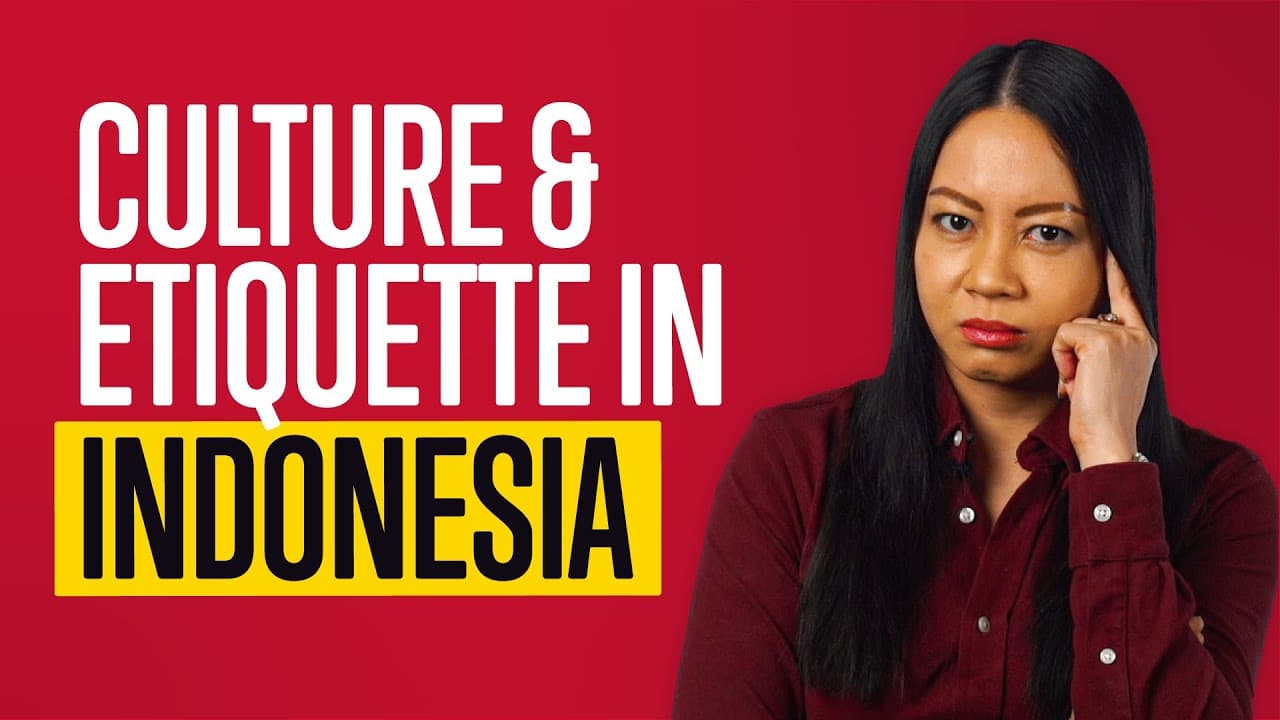
Understanding Indonesian culture involves learning key body gestures, greetings, and non-verbal cues. Common gestures include handshakes, pointing, and greetings that vary from formal to intimate. Knowing these can help make interactions smoother and more respectful. Additionally, mindset and motivation are crucial for language learning, especially for busy individuals.
Transcript
expand your vocabulary with our core 2000w ebook it's free and packed with essential Expressions that you'll use on a daily basis start building your vocabulary today click the link in the description below to download your free Indonesian ebook before it's got Muslim Indonesia for super IND for for wait before we start do you want a bundle of 30 p... Read More
Key Insights
- Indonesian greetings vary from formal handshakes to intimate cheek kisses.
- Pointing with the index finger is considered offensive in Indonesia.
- Busy people can learn languages by setting small, realistic goals.
- Mental bandwidth affects language learning success; feeling overwhelmed can hinder progress.
- Always use the right hand for gestures in Indonesia to show respect.
- Non-verbal cues like 'thumbs up' and 'be quiet' gestures are common in Indonesian culture.
- Setting anchor points like language schools or native-speaking friends can boost motivation.
- Introverts can improve speaking skills by listening well and asking relevant questions.
Install to Summarize YouTube Videos and Get Transcripts
Explore YouTube Video Summarizer or Get YouTube Transcript Extractor
Questions & Answers
Q: How do Indonesians greet each other?
Indonesians use various greetings depending on the formality of the situation. A formal greeting involves a simple handshake with the right hand. A casual greeting may be a wave with the palm facing up, while an intimate greeting involves a cheek-to-cheek gesture known as 'Chik'.
Q: What are some common Indonesian hand gestures?
Common Indonesian hand gestures include using the right hand for handshakes, pointing with the thumb instead of the index finger, and using a thumbs-up to indicate approval or satisfaction. These gestures are integral to expressing respect and understanding in social interactions.
Q: Why is mindset important in language learning?
Mindset is crucial because it influences motivation and the ability to find time for learning. A positive mindset helps individuals overcome obstacles like time constraints and mental bandwidth issues. Believing that you can learn a language, even in small increments, is key to making consistent progress.
Q: What role does mental bandwidth play in language learning?
Mental bandwidth refers to the mental capacity available to focus on learning. When overwhelmed, it can be difficult to find the energy or time to learn a language. Managing stress and creating a routine that includes language practice can help free up mental bandwidth for more effective learning.
Q: How can busy people find time to learn a language?
Busy people can learn a language by setting small, measurable goals, such as learning a few words each day or spending 10 minutes on practice. Utilizing commute times, breaks, or short daily sessions can help integrate language learning into a busy schedule without feeling overwhelming.
Q: What are anchor points in language learning?
Anchor points are connections or commitments that keep you motivated to learn a language. These can include enrolling in a language course, having friends who speak the language, or engaging with media in the target language. They provide structure and motivation to continue learning.
Q: How can introverts improve their speaking skills?
Introverts can enhance their speaking skills by focusing on listening and asking meaningful questions. This approach allows them to engage in conversations without the pressure of initiating dialogue. Gaining experience in topics of interest and finding the right audience can also boost confidence.
Q: What is the significance of using the right hand in Indonesian culture?
In Indonesian culture, using the right hand for gestures, greetings, and handing objects is a sign of respect and politeness. The left hand is considered impolite or unclean for these actions, so it's important to be mindful of this cultural norm to show respect in social interactions.
Summary & Key Takeaways
-
The video explains essential Indonesian cultural gestures such as greetings, handshakes, and pointing, emphasizing the importance of using the right hand and smiling. It also covers the mindset needed for learning languages, highlighting that setting small goals and utilizing anchor points can enhance motivation and success.
-
Indonesian culture is rich with non-verbal communication, including gestures like 'thumbs up' for approval and 'be quiet' signals. Understanding these can help navigate social interactions more effectively. The video also provides strategies for language learning, especially for busy or introverted individuals.
-
Learning a language involves more than vocabulary; understanding cultural nuances like body language is crucial. The video offers tips for setting achievable goals and finding motivation through anchor points, making language learning feasible for busy people. It also highlights the role of mindset in achieving language proficiency.
Read in Other Languages (beta)
Share This Summary 📚
Summarize YouTube Videos and Get Video Transcripts with 1-Click
Try YouTube Summary with ChatGPT & Claude or YouTube Transcript Generator
Explore More Summaries from Learn Indonesian with IndonesianPod101.com 📚






Summarize YouTube Videos and Get Video Transcripts with 1-Click
Try YouTube Summary with ChatGPT & Claude or YouTube Transcript Generator